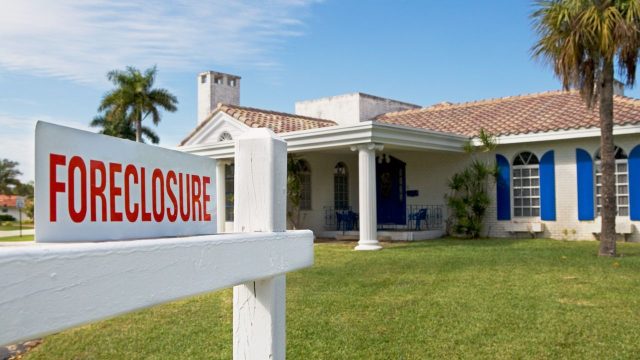
Between inflation and gas prices, the cost of living can feel hard to keep up with. Add the rapidly rising costs of homeownership to the equation, and it is no surprise that some people are falling behind.
In the first quarter of 2026, “U.S. foreclosure filings hit a six-year high,” said The Wall Street Journal, citing property-data provider Attom. The “number of U.S. properties with a foreclosure filing rose to almost 119,000,” a “26% jump from the same period a year earlier.” The culprit? “Fast-rising homeownership costs such as property tax and insurance bills.”
If you are finding yourself in a financial bind or worry one is just one unexpected expense away, here is what to know.
What happens in foreclosure?
Foreclosure is the consequence of not making mortgage payments. After a prolonged period of non-payment, a mortgage lender will repossess, or foreclose, on a home to recoup their losses.
This does not just happen overnight, however, and homeowners will have a heads-up. Before anything happens, the lender will let a borrower know there is a risk of foreclosure, usually after the loan enters default, which occurs after “three to six missed mortgage payments,” said Bankrate. This alert “marks the beginning of the preforeclosure process, but the borrower still has time and options to avoid losing their home,” said Rocket Mortgage.
At this juncture, the borrower and lender can work together to find a solution. But if this does not happen, the process of foreclosure can move forward. In that case, “your lender will file a notice of sale” and “your home will be placed up for auction at a specified time and place,” said Bankrate. After your home is sold, “you’ll generally have a few days to gather your belongings and move to a new residence,” or face eviction.
What are the impacts of foreclosure?
Foreclosure carries some heavy consequences. For one, you will lose your home, which served as collateral, backing the mortgage loan you took out and were unable to repay as promised. “Not only will you lose your place to live, but you’ll also lose the money and effort you put into it,” said Bankrate.
Then there is the effect on your credit. “Like bankruptcy, foreclosure has one of the most serious negative impacts on your credit,” and it will remain on your credit report for seven years, said Experian.
Additionally, “depending on your state’s laws, you may owe money if your home sells at the foreclosure auction for less than you owe,” a gap known as a “deficiency,” said Bankrate. If you are unable to pay any deficiency, “you may be sued, face wage garnishment and more.”
How can you avoid foreclosure?
Thankfully, there are some steps you can take to avoid the nightmare that is foreclosure.
Proactively communicate with your lender. “As soon as you think you’ll have trouble making your monthly payment (or shortly after you fall behind), call your mortgage servicer,” said Nolo. They can walk you through your options before it is too late, whether that is working out a repayment plan or modifying your existing loan.
Get help from a housing counselor. A housing counselor can help you determine what your options are and how to access them. “You can contact a local HUD housing counselor or dial the HOPE hotline at (888) 995-HOPE to connect with a housing expert for 24/7 help,” said Bankrate.
Apply for forbearance. If you fell behind due to a passing financial crisis, a forbearance “offers temporary relief — usually via a payment pause or reduction — to help you get your finances in better shape,” said Yahoo Finance.
Consider a deed-in-lieu of foreclosure. “If you can’t catch up on your mortgage payments or don’t qualify for any options to prevent foreclosure, you may want to consider signing a deed instead of foreclosure, where you can hand over the property to the lender voluntarily,” said Rocket Mortgage. This won’t allow you to hold onto your home, but you will “avoid some repercussions of foreclosure.”
It can damage your credit score and result in the loss of your home