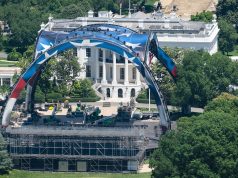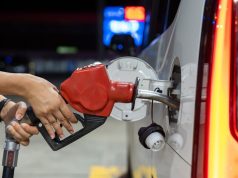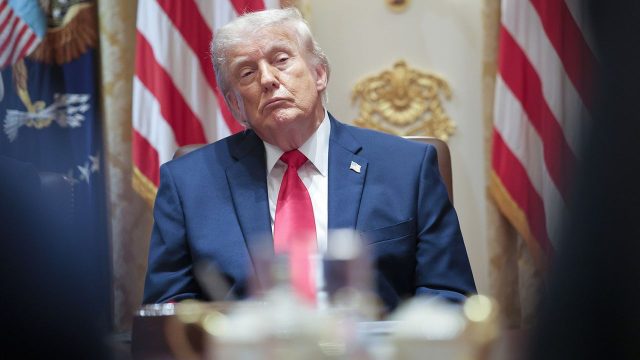
Is President Trump finally tired of winning? asked Shawn McCreesh in The New York Times. Asked in a Cabinet meeting two weeks ago if he feels pressure to end the Iran war before November’s elections, Trump airily replied, “I don’t care about the midterms.” In the context of Iran, Trump’s “posture of nonchalance” is defensible. Presidents shouldn’t let politics sway their thinking on matters of war. But GOP lawmakers are starting to wonder if Trump couldn’t care less about their party’s bleak electoral prospects. Republicans trail Democrats by 7.6% in the generic ballot, dragged down by Iran, high gas prices, Trump’s slumping approval rating (38% and falling), and the belief—shared by 77% of Americans, including most Republicans—that Trump’s policies have driven up the cost of living. Without a course correction, the GOP could lose both the House and Senate in November, a prospect suddenly more likely after Trump’s endorsement lifted Ken Paxton, the scandal-drenched MAGA loyalist, over incumbent Texas Sen. John Cornyn in last week’s primary. But instead of assuring cash-strapped Americans that he feels their pain, Trump spends his days constructing “pricey pet projects,” from his gilded White House ballroom to a 250-foot triumphal arch. These don’t seem like the actions of someone who’s especially bothered “about what’s coming after the summer.”
“Don’t be fooled,” said Frank Bruni, also in the Times. Trump’s ego won’t let him confess his midterm anxieties. But beneath the “bluster and makeup, he’s sweating.” Look at how hard he’s pressured red-state legislatures to redraw their electoral maps to gain a handful of seats in November, and how he’s “haranguing congressional Republicans” to pass new voting laws to depress Democratic turnout. And the electoral landscape this fall might not be as grim for Republicans as it looks now, said Mene Ukueberuwa in The Free Press. Progressives are pushing Democrats toward nominating class warriors like Maine’s Graham Platner and Michigan’s Abdul El-Sayed, potentially alienating moderate voters in what would otherwise be “easily winnable races.”
I suspect Trump is relaxed about the midterms because “there might be political upside regardless of who wins,” said Abby McCloskey in Bloomberg. If the House and Senate turn blue, Trump will gain the scapegoat that his second term has lacked. He can blame “any and all shortcomings on Congress’s new Democratic majority.” And if empowered Democrats push left-wing legislation and try to impeach him, Trump will get to replay his favorite roles: “victim of the elite” and “protector against the progressive tide.” There’s a Jan. 6–size hole in such analyses, said Joel Mathis in his Substack newsletter. Trump’s indifference to the midterms more likely flows from the fact that he has plans in place—this time fully thought-out—to ignore or reverse the results “unless they are favorable to him.”
None of this explains why Trump suddenly cares so little about his popularity, said Paul Waldman in MS.now. Perhaps he’s contemplating his post-2029 legacy. He may be comfortable with being loathed by two-thirds of the country “so long as there are gigantic buildings with his name on them.” And his newfound indifference to approval ratings may be liberating. Trump has spent his life trying “to free himself of any and all constraints”—the law, civility, political norms, international alliances—“so he can do whatever he wants.” The interests of his party, and Americans, are just more things tying him down. “And he’s going to cut those cords.”
The president is trying to play it cool