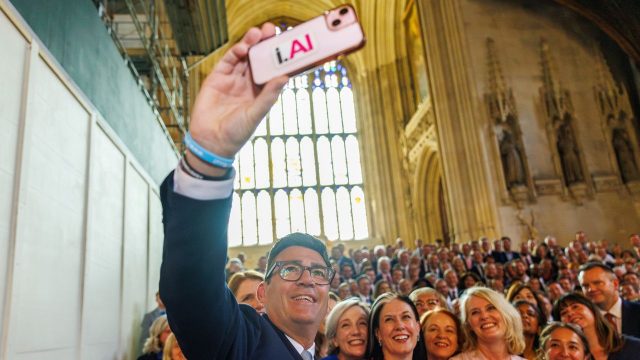
Andy Burnham appears to be heading to No. 10 unopposed after Keir Starmer resigned on Monday and his main leadership rival rowed in behind him.
With the new PM set to be in place by the time Parliament returns from summer recess at the start of September, attention is already turning to who the key players could be in a Burnham government, and what their appointment says for its likely direction.
Ed Miliband
The energy secretary and former Labour leader has long coveted the role of chancellor and had been widely seen as the frontrunner to replace Rachel Reeves. He has been a “key champion of Burnham with the parliamentary party and shares the same desire for Labour to enact more radical change, from tax overhaul to public control of utilities”, said The Guardian.
Yet Miliband’s opposition to further North Sea oil and gas licences and strict adherence to net zero commitments, even as energy bills have rocketed, has made him increasingly unpopular with the trade unions and wider public.
Burnham “may have cooled on the idea” of appointing Miliband to the Treasury, said The i Paper, but expect him to get another big position in government even if he misses out on his dream job.
Wes Streeting
Another name being touted as a potential chancellor is one-time PM leadership rival Wes Streeting. The former health secretary, who resigned from Cabinet last month, has withdrawn from the leadership contest and decided to back Burnham, saying on X that the new MP for Makerfield is “committed to building an inclusive party that draws on the best of our political traditions”.
One of Labour’s best communicators, with a compelling personal story, but hailing from the right of the party, his appointment as chancellor or to another top Cabinet job could “align the competing wings of the party” and “show – or at least give the impression – that Labour is more united than voters think”, said Mauricio Alencar, politics and economics reporter for City A.M.
Louise Haigh
The former transport secretary was forced to quit just months after Labour took office in 2024 over a prior fraud conviction, but has now emerged as a “crucial power broker” on the backbenches for the party’s “soft left”, said BBC chief political correspondent Henry Zeffman.
She was “at the heart of the huge rebellion which scuppered the government’s welfare cuts in 2025”, led Burnham’s Makerfield by-election campaign, and is “in line for a big cabinet job”.
Miatta Fahnbulleh
The MP for Peckham has been one of Burnham’s most vocal supporters in Parliament. A former civil servant who ran the left-wing New Economics Foundation think tank, Fahnbulleh resigned as a junior minister for communities in the aftermath of the May local elections.
Hailing from the Labour left, she has “thrown her weight behind a number of highly controversial economic policies including imposing a wealth tax, nationalising several public companies across water and transport, rolling out further green financing and taxing other streams of income more”, said Alencar. Understood to be helping Burnham work on policy, she is a “rising star” in the party and has even been touted as a dark-horse bet for chancellor, in what would be a “radical break from Starmer’s premiership”.
Anneliese Midgley
Relatively unknown outside Labour circles, Midgley was elected MP for Knowsley, near Makerfield, only in 2024 but has been an “influential force in the Labour movement for much longer than that”, said Zeffman. She worked for both Keir Starmer and Jeremy Corbyn in opposition and before that at the Trades Union Congress (TUC) and Unite.
She is seen as a “plausible candidate” for chief whip or even political secretary in Downing Street, “not a job usually held by an elected politician”.
From well-known frontrunners to fresh-faced dark horses – who can expect big jobs under the next PM?