The KwaZulu-Natal Department of Public Works and Infrastructure (DPWI) has pulled off a dramatic financial turnaround, cutting its historically bloated unauthorised, fruitless and wasteful expenditure to zero for the 2025/6 financial year.
The second-smallest provincial department by budget allocation is leveraging its savings to bankroll a R20 million digital overhaul aimed at eradicating paper-based bureaucracy, stamping out tender corruption and multiplying productivity in the next three years.
The department, which buckled under hundreds of millions of rand in rampant overspending, has tightly shut the fiscal taps.
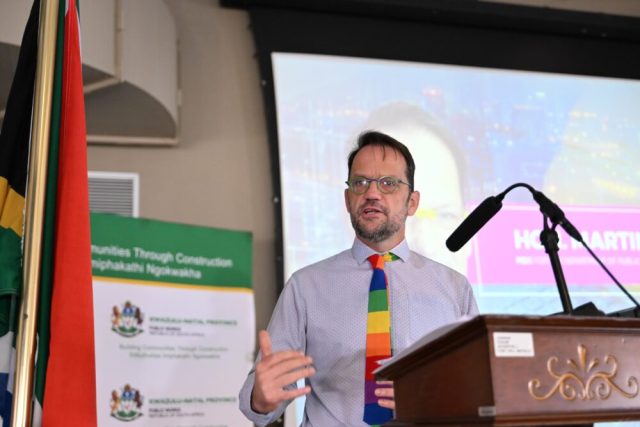
“Previously this department had R731m in unauthorised expenditure (mostly on goods and services). We’ve cut that to almost zero,” KZN Public Works and Infrastructure MEC Martin Meyer said on Monday.
“We are the only department that has almost zero in unauthorised expenditure and we’ve done that for two years. We’ve done that by using technology efficiently. We don’t overspend on our budgets anymore. We have become a much more efficient department when it comes to the management of our finances,” he said.
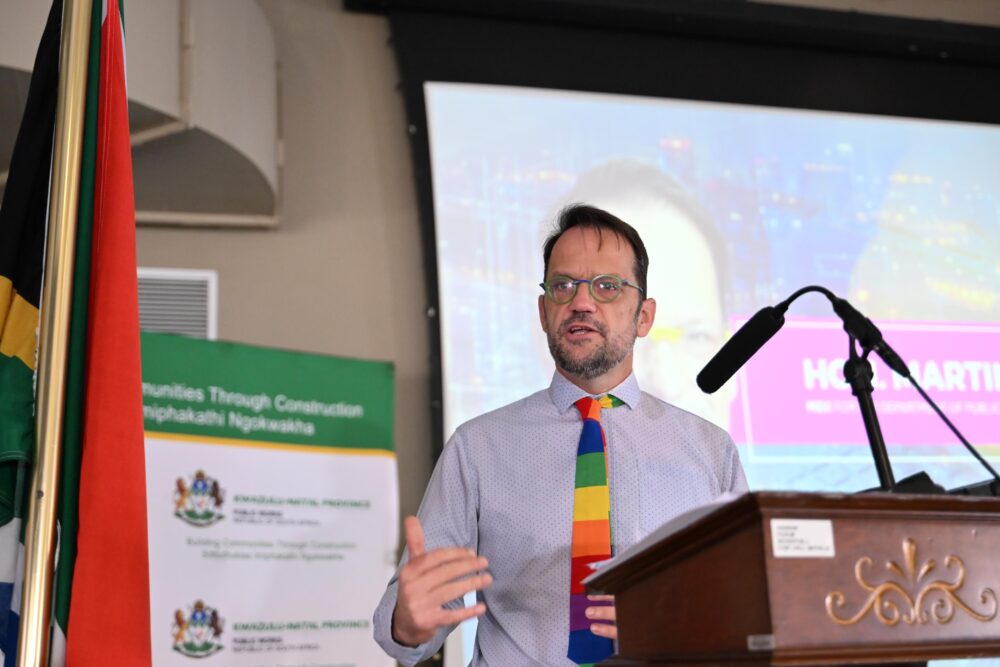
Meyer was speaking during a media briefing at the KZN DPWI Technology & Innovation Summit, which drew about 400 delegates, including chief financial officers and other senior officials from government departments and the private sector.
He announced at the summit that the department is partnering with the Council for Scientific and Industrial Research to launch a real-time infrastructure dashboard to manage projects. The tool allowed executives to monitor construction project statuses continuously, pinpoint bottlenecks early and base management decisions on live evidence rather than outdated reports.
R20m paperless drive
Meyer said the department had allocated R20m in its current budget specifically for the digitalisation of its operations. The goal was to be paperless in three years.
Mayer acknowledged that “R20m might not, in the bigger scheme of things, sound like a lot” but it represented a significant commitment given that the department operated on a budget of about R2.4 billion.
The primary objectives and benefits of the technological shift included eradicating procurement corruption, slashing administrative costs, boosting productivity and real-time oversight of infrastructure projects and lease deals.
Meyer said electronic submissions would prevent physical documents from being tampered with.
“One of the old tricks of making sure someone doesn’t give a tender is when those documents …. come, page 18 is suddenly missing … and then we have to discard the (incomplete) tender. If this whole thing happens electronically, no one can make page 18 go missing,” he said.
The roll-out of “e-leave” and electronic signature systems eliminated the need for officials to travel hundreds of kilometres across the province simply to hand-deliver or sign physical files, he said.
Head of department Dr Vish Govender said the transition from paper to digital files had radically compressed internal turnaround times as the department moved from “ancient” systems to digital platforms.
Govender said the turnaround had required dismantling deeply entrenched systemic inefficiencies.
“Look at our department where we were some 18 months ago, when we didn’t know what we owned. Processes were tedious [and happened] annually. The issues around corruption, we widely publicised it … But fast-forward 18 months later … we have automated workflows.
“Productivity has just increased tenfold … With a click of a button, our files are digitalised,” he said.
Automated systems save time
Vodacom KZN managing executive Imran Khan shared a case study of an automated proposal system executing a highly complex corporate pitch — a task that normally takes a corporate team up to 60 days and costs between R3m and R4m in salary resources — in just nine minutes.
“That shows you the power of digitisation when it’s put on top of a stack of qualified, controlled and managed data,” Khan said.
However, management consultant Dale Evans warned that throwing technology at a broken system was a recipe for expensive failure, urging the department to thoroughly clean up its administrative processes and standardise its data before rolling out complex software.
Drawing on her 30 years of global organisational transformation experience, she emphasised that a system was only as good as the foundational information feeding it.
“Technology automates the processes, AI augments the decisions. Data is what makes both possible,” Evans told delegates.
“Think of it like an engine. Your technology is the engine, data is your fuel. If you don’t have the fuel, you might as well not have the engine.”
Minister of Communications and Digital Technologies Solly Malatsi, speaking in a virtual briefing, commended the province’s initiative.
“This is exactly what we need in the public service — smarter infrastructure, better cities — When we digitise infrastructure delivery …. we do not just make government work faster, we make government work better, more equitably and with more accountability,” he said.
The second-smallest provincial department by budget allocation is leveraging its savings to bankroll a R20 million digital overhaul aimed at eradicating paper-based bureaucracy, stamping out tender corruption and multiplying productivity in the next three years.