Unauthorized groups of teenagers across the country, armed with social media and restless, have begun gathering for so-called “teen takeovers.” These loud parties can devolve into violence, exasperating community leaders and the police. While adults worry about how to keep the chaos at bay, teens say the simple solution is to give them more to occupy their time.
What are ‘teen takeovers’?
In major cities, large gatherings of teens have “popped up in downtowns, parks and leafy neighborhoods,” said The New York Times. These teen takeovers, typically organized on social media and through word of mouth, can be “noisy, boisterous and at times violent.”
Their impact is often “amplified on television,” said the Times, especially in “conservative media outfits like Fox News.” City leaders and police have also begun paying closer attention. Anxiety over juvenile delinquency is not new, what is novel about this generation is the “role that platforms like Instagram and TikTok play in the speed of organization and the scale of assembly.”
Some of the panic over teen takeovers echo “worries over ‘wilding’ in the late 1980s and ‘superpredators’ in the 1990s.” There was a lot of “dog whistling” about these being “Black kids who are gathering together in these large groups, and we should be afraid of them,” Laurence Steinberg, a psychology professor who studies adolescent development, said to the Times.
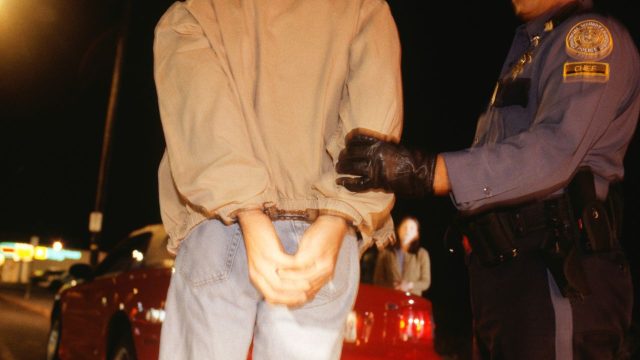
After coordinating on social media, hundreds of teenagers gather in public areas or malls. Sometimes, “fights break out, and some are arrested,” said The Washington Post. Video clips of the meet-ups go viral, while politicians and residents “spar over why young people are behaving this way, and what should be done about it.” Violence aside, many youth are going to takeovers because they “want a space to meet other people their age and have a good time on the weekends.” The takeovers “satisfy a craving for connection in real life, not through screens.”
How are some states combatting the issue?
The popularity of impromptu teen takeovers has “brought back a fierce debate over curfews in Detroit, Chicago and elsewhere,” said the Times. Various areas are trying methods to curb the chaos of these adolescent events. In Detroit, Mayor Mary Sheffield invited the organizers of a pair of teen takeovers to her office. Together, they “hashed out ideas like late-night basketball at city recreational centers, new public space developments and a new youth advisory board,” Sheffield said to the Times. The teenagers wanted a “place to get out, be free, have fun and hang out.”
In the nation’s capital, the D.C. Council recently voted 8 to 5 to extend the police chief’s power to declare special 8 p.m. youth curfew zones through 2028 while “adding guardrails to how police can enforce the measure,” said the Post. Mayor Muriel Bowser also promised more youth programming, “responding to calls from lawmakers and community members who say teens don’t have enough to do at night.”
The legislation is not expected to take effect until late summer, as lawmakers failed to reach a consensus on an emergency curfew that would have been put into use immediately. The debate over the curfew has been one of the most divisive on the D.C. Council, with Bowser “pushing lawmakers to act” as “federal scrutiny over the city’s response to teen takeovers hovered over discussions,” said the Post.
In Chicago’s Hyde Park neighborhood, with permission from the police department, the principal of the local high school, school staff members and dozens of parents congregated along the street where a teen takeover was planned. When teens arrived, a “mob of adults was there to greet them and watch them to ensure trouble didn’t get started,” said the Chicago Tribune.
Parent takeovers and similar direct parent involvement could help police quell the danger in other neighborhoods, said Chicago Police Department Superintendent Larry Snelling to the Tribune. Many young people “don’t necessarily fear the police,” he said. A lot of them would be “more concerned if they saw their parents or their teachers there, who could identify them and what they’re doing.”
Looking for a way to connect has spiraled into violence at some teen gatherings