Whether your dreams of escaping to an expanse of white powder feature snowy slopes or sandy beaches, we’ve got a winter getaway to suit you.
Snow: wild Canada
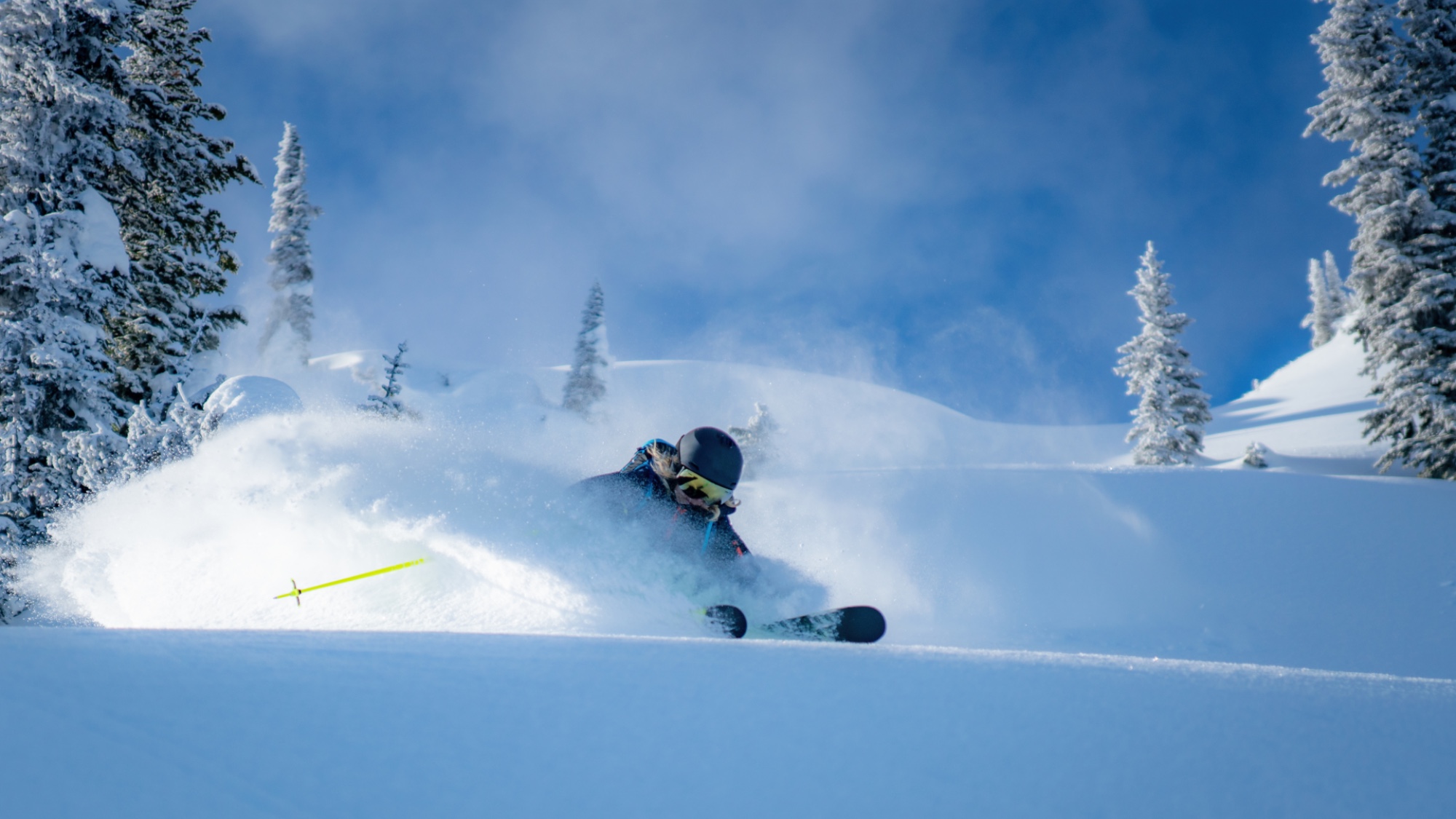
Battle Range, deep in the rugged wilderness of southeastern British Columbia, derives its name from a legendary battle in the 1890s between a grizzly bear and a prospector (who lived to tell the tale).
The range’s jagged peaks rise to above 3,000 metres, and in the whole of its eastern half – an area of more than 100 square miles – there is only one lodge, says Tom Robbins in the Financial Times. Perched on a mountainside at 2,200 metres, it is grandly named Battle Abbey, but was built in 1978 and is modest in proportion. Recently refurbished by new owners, the brothers Tessum and Nansen Weber, it has five bedrooms and feels like “a happy blend of mountain refuge and boutique hotel”. Water comes from a local stream, but it has fine food and wine, and a wood-fired sauna.
Guests are flown from the “hardscrabble” town of Golden by helicopter: this is the only way to reach the lodge. But this is not a heli-skiing destination. People come for the ski touring (climbing the mountains on skis with grips, and then skiing down them), a rather more affordable and climate-friendly pursuit, which is becoming increasingly popular in North America, though it is arduous. My fellow guests were former heli-skiers who said they now preferred ski touring, finding it a more peaceful and satisfying way to experience the mountains, and the Webers – who come from a family of polar adventurers – are true enthusiasts.
Merely being in the lodge, with its “jaw-dropping” views, is a joy. And the skiing is superb. There’s no end of “blissfully deep, light, powder snow”, and with four guides to 10 guests – double the usual ratio – the experience can be adapted to suit all moods and abilities.
Weber Powder (weberpowder.com) has a five-day trip from £2,940pp, full-board, excluding international flights.
Snow: a secret Swiss valley
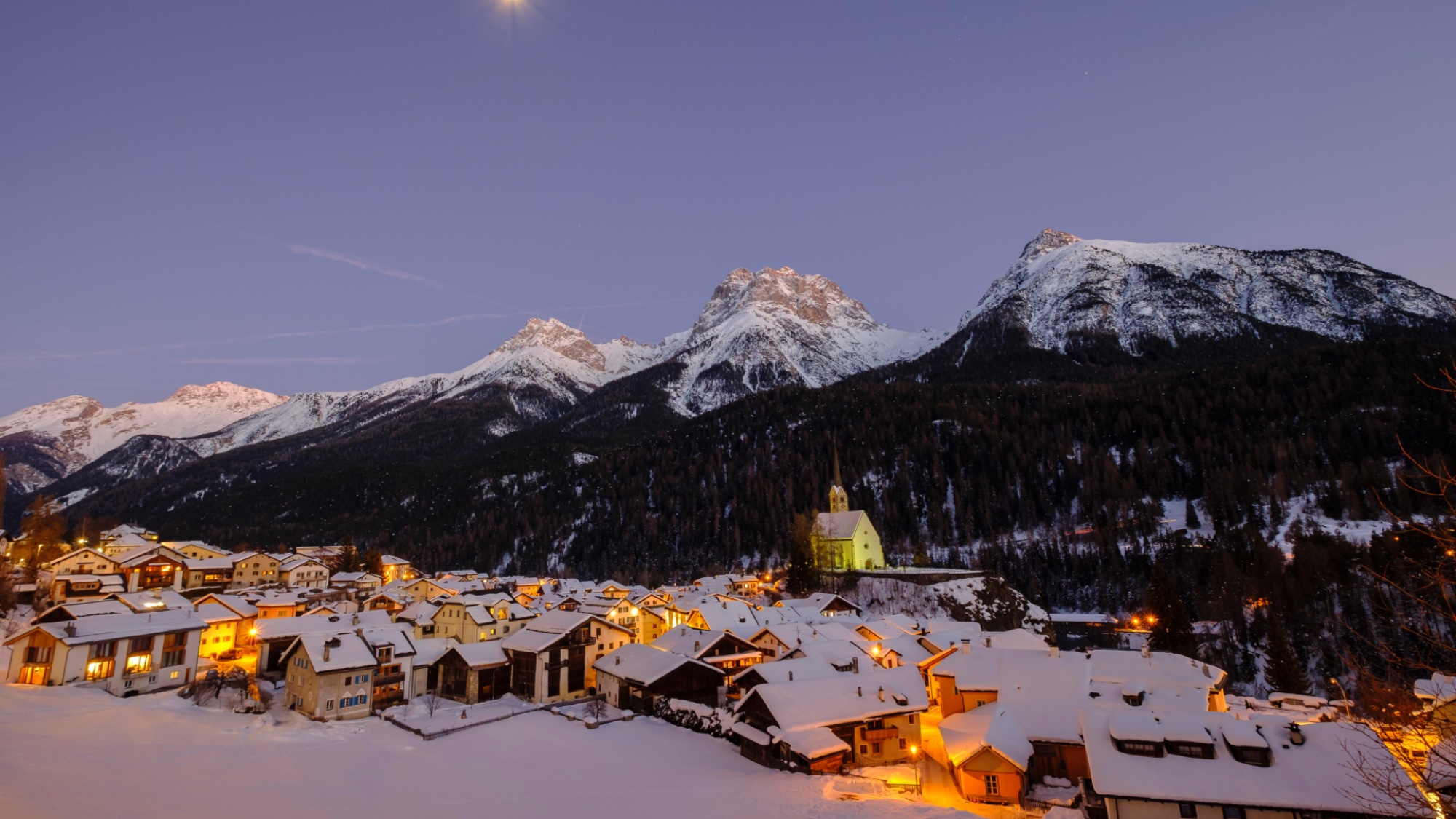
With few ski slopes and no tourist crowds, the Lower Engadine valley in “remote” southeast Switzerland is the perfect place for a peaceful winter walking holiday, says Annabel Abbs in The Guardian.
The valley’s greatest treasure, the country’s only national park, is closed to visitors in winter, but you can still enjoy “icily beautiful” views across it. In Scuol, the largest village, there are “legendary” mineral baths with hot outdoor pools, and some pleasant hotels, including the Scuol Palace (where Paul Klee and Robert Musil stayed) and the Arnica (where I did). In other villages, you’ll find “gloriously painted” churches, “chic” bistros and good modern art galleries, such as Tarasp Castle and the “stunning” Muzeum Susch, dedicated to female artists.
There’s tobogganing and excellent skiing on offer – but nothing can beat the simple pleasure of walking the valley’s well-marked trails, which “wind deep into the unpeopled mountains” to frozen lakes, waterfalls and icy pinnacles where eagles “soar in the clear blue sky”. Few things clear the mind and lift the spirits like a wild landscape “glittering” in the snow.
Snow: skiing in Turkey
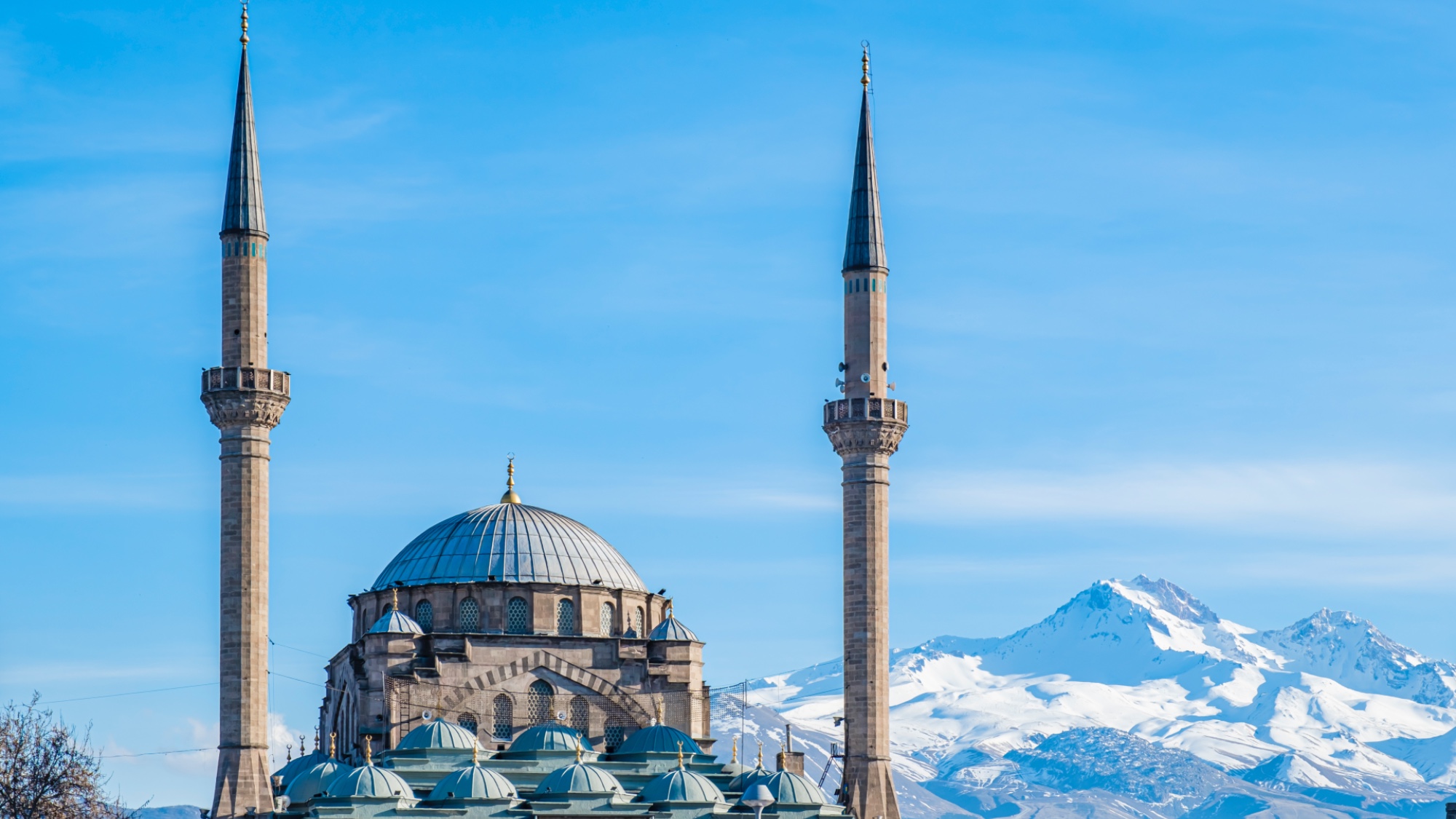
Plenty of Britons head to Bulgaria for “good-value” skiing, but though Turkey is also affordable, it has not yet been widely embraced, says Ben Clatworthy in The Sunday Times.
Among its 40 or so resorts, the largest is Erciyes, in the heart of the country, where the pistes – mostly “wide, cruisy blues and unthreatening reds” – sweep down the flanks of Mount Erciyes, a 3,917-metre dormant volcano with a “near-perfect” cone. The lifts are “astonishingly” cheap, at less than £1 per ride, and in good conditions the mountain’s gullies also fill up with wonderful powder snow.
In the Alps, this would be “tracked out in 30 minutes”. Here, signs deter most skiers from going off-piste, and so the powder lingers for days. Getting to Erciyes “can be a schlep”: the nearest airport at Kayseri is a 90-minute flight from Istanbul. But the bonuses include the lovely local food (specialities include manti, a sort of “garlicky” ravioli); and the magnificent places to visit nearby, notably Cappadocia, with its rock pinnacles and ancient underground cities – which is far less crowded in winter.
The Radisson Blu Mount Erciyes (radissonhotels.com) has half-board doubles from £320.
Sun: a surfers’ paradise in Bahia
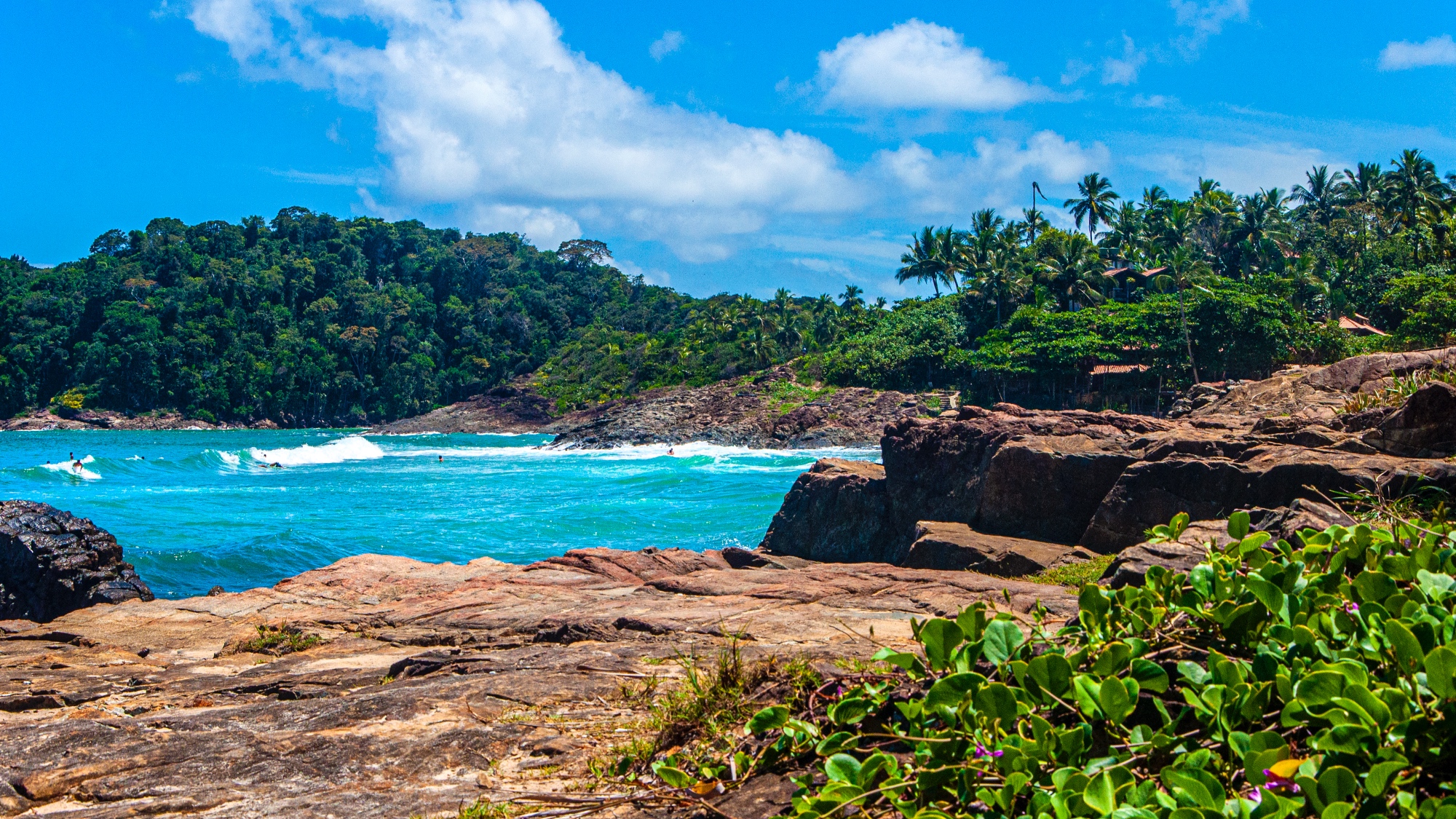
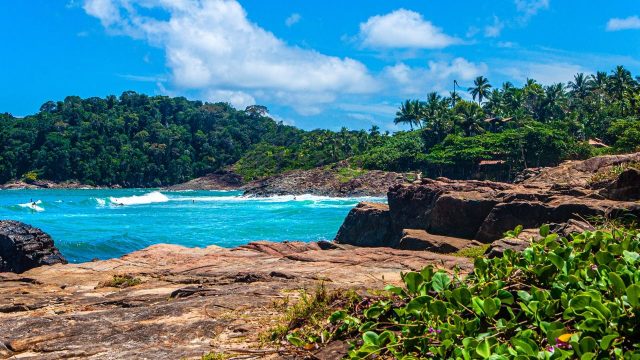
The little Brazilian harbour town of Itacaré has been popular with surfers since the 1980s. It is a “far-flung, vibe-heavy” paradise of the kind they favour – but unlike many, it has yet to be spoiled by mass tourism, says David Amsden in Travel + Leisure. That’s partly because it’s so remote – a two-hour flight from Rio de Janeiro, then a one-hour drive along a wild coast fringed with “seemingly infinite stretches of golden white sand”.
This is Bahia state, where Afro-Brazilian traditions are strong: capoeira troops perform in the cobbled streets, samba bands play in bars, and restaurants serve moqueca, a fragrantly spicy seafood stew. There’s a lively party scene in the town, and some great artisanal chocolate producers in the area – along with roughly 20 beaches, some of which are reachable only by foot through the jungle, but all of which are “astonishing” in their beauty.
Hotels are mostly simple, but for something more upmarket there is the recently opened Barracuda, a luxury resort with “elegant” suites and friendly staff.
Specialist tour operators include Dehouche and Journey Brazil.
Sun: a magical family holiday in Antigua
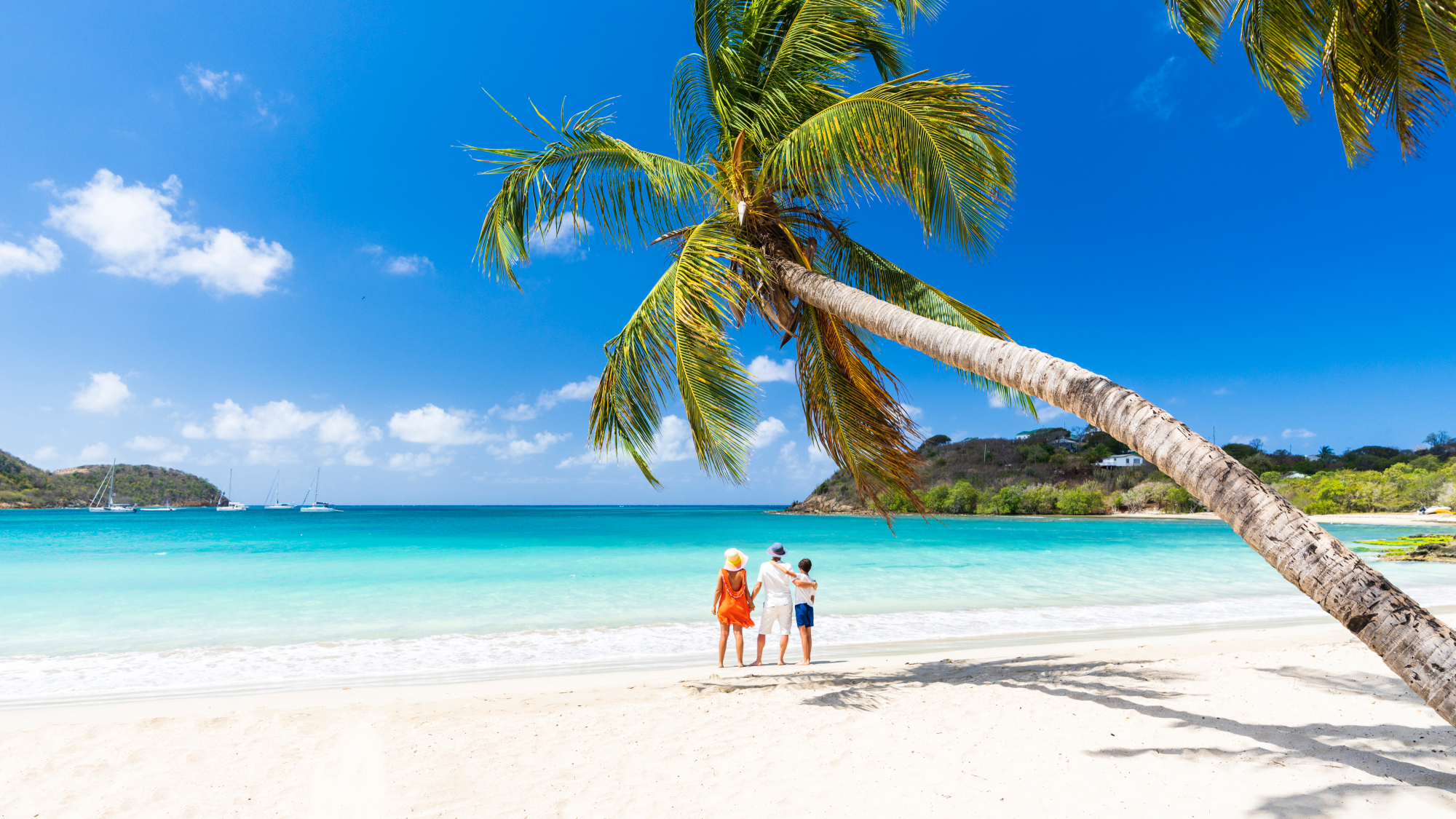
Antigua is not the most spectacular of Caribbean islands, but with its “idyllic” beaches and coral reefs, it’s “an easy crowd-pleaser” – and I found it ideal for a holiday with young children, says Francesca Angelini in The Sunday Times.
It helped that we stayed at two hotels with good kids’ clubs. At “stylish” Carlisle Bay, in the south, our five-year-old and three-year-old spent hours bracelet-making and reggae-dancing with the friendly and “unflappable” staff. And at “glamorous” Blue Waters, in the south, they “buzzed about” on two trampolines out at sea, while I relished the peace and the “sea-adjacent” yoga sessions.
We all enjoyed a tour of Nelson’s Dockyard, the naval base where the admiral spent three years in the 1780s, and lunch at Catherine’s Café, a “chic yet relaxed” restaurant next to a fine beach. Best of all, though, were the boat trips, on which we swam with turtles, parrotfish and more – “heaven” for children, like ours, “in their ‘Octonauts’ phase of TV life”.
Kenwood Travel (kenwoodtravel.co.uk) has a seven-night trip from £1,999pp, including flights.
Sun: the wild outer islands of the Seychelles
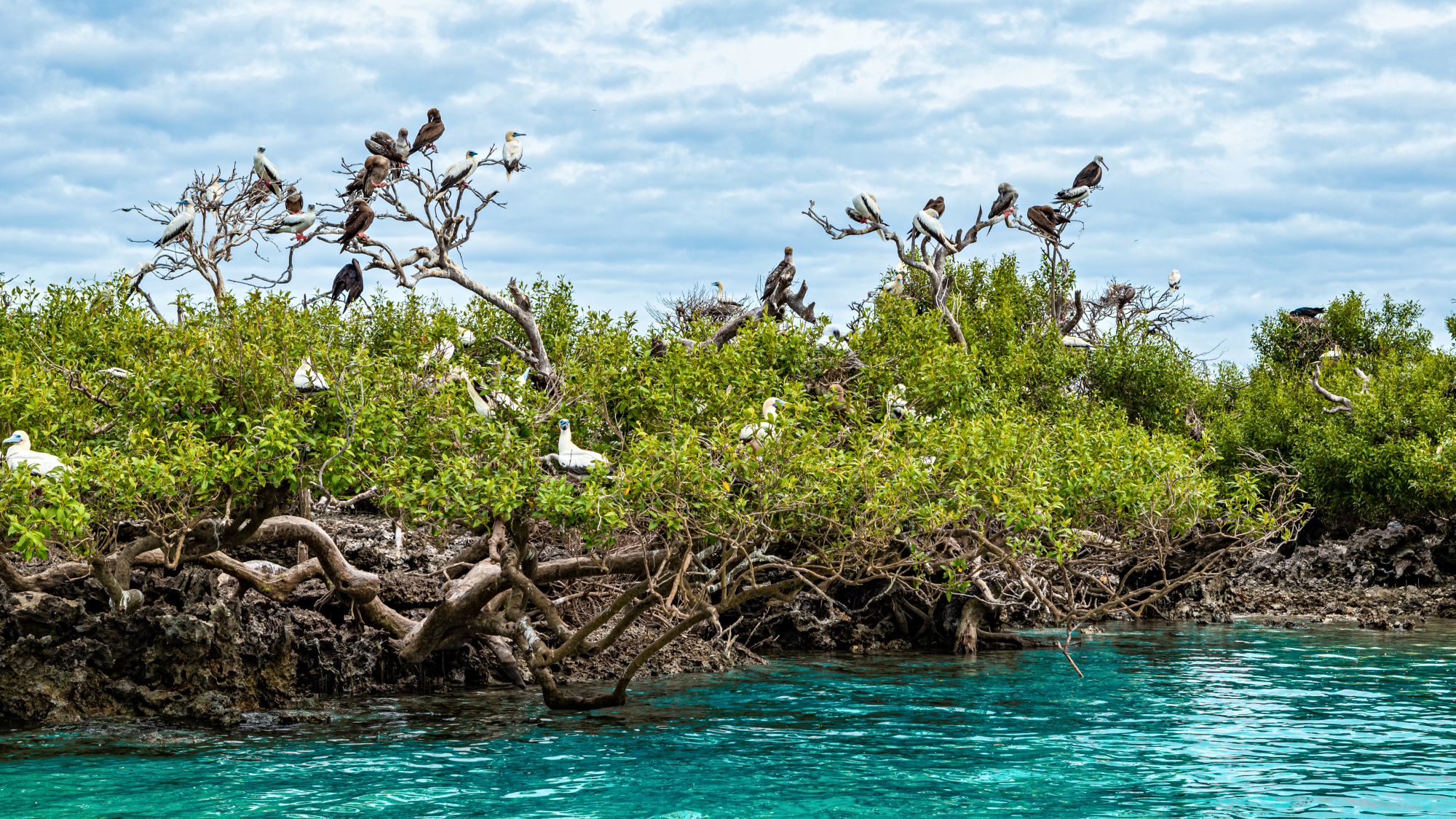
The Seychelles are best known these days for their many luxury beach resorts. But these Indian Ocean hideaways are located on the archipelagic nation’s Inner Islands, where 98% of its population live. The Outer Islands – six dozen small atolls and cays lying up to 700 miles south of the capital, Mahé – are mostly uninhabited, says Stephanie Rafanelli in Condé Nast Traveler – and are among the wildest places on Earth.
On a 10-day voyage through them with Reefscape Travel, I journeyed by sea plane and speedboat, staying at small but luxurious lodges established by Blue Safari, an African “eco-safari” company founded in 2012.
On islands including Astove, Alphonse and Cosmoledo, I saw giant tortoises, hermit crabs, endemic birds with “operatic” voices, and some of the world’s biggest breeding colonies of seabirds. But most remarkable were the surrounding seas.
Our boat was accompanied at one point by a 50-strong “convoy” of spinner dolphins; and closer to shore, I snorkelled over coral reefs with a “staggering” abundance of colourful fish, as well as a “squadron” of manta rays “like a parade of giant kites”.
The trip costs from £15,940pp, including flights (reefscapetravel.com, bluesafari.com).
Escape the dark, cold days with the perfect getaway