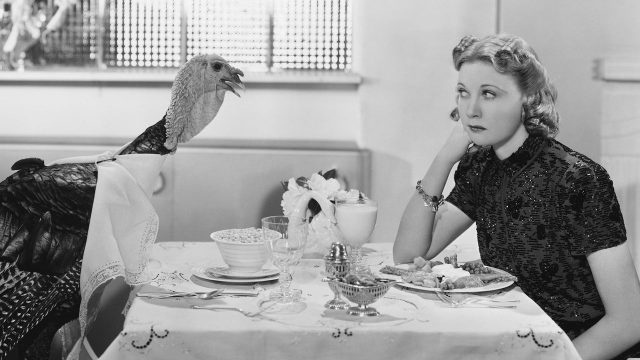
Many women enter my clinic in the run-up to Christmas with the same problem, said GP Amir Khan in a viral video on Instagram this week – they feel exhausted, numb and are struggling to cope. They are suffering “Christmas burnout”, or “biology colliding with social pressure”, notably the “huge expectation to make Christmas magical”.
“Women are still expected to carry Christmas, to plan it, remember it, feel it, to anticipate everyone’s needs,” he said.
‘Endless to-do list’
Hearing Dr Khan’s message “felt like he was reading my mind”, said Kerrie Hughes in Woman & Home.
Where most people think of a perfectly decorated Christmas tree, or an Instagrammable plate of sumptuous food, most of the time women are stuck “navigating illness with kids, plans changing” and “the ever-looming feeling that I still have so much to get ready for Christmas”. When watching the video, I was “nodding furiously at how it hits women harder because of the responsibility of it all”. “Never before had I felt so seen.”
“Forget tidings of great joy, Christmas just gives women an endless to-do list,” said Rachel O’Dwyer in The Irish Times. As calendars flip to December, women are expected to take on a “third shift”. If the first shift is the “invisible, endless, heavily gendered work of keeping family life upright”, and the second is “unpaid domestic and care work” after their actual jobs, the “third shift” is the “mental load of seasonal admin”.
Whether that is “planning social engagements, remembering thank-you notes, tracking nativity plays and pantomime tickets, organising travel logistics and sleeping arrangements”, we are “keeping the whole sleigh on the road”. It only adds insult to injury that the seasonal magic revolves around “one big jolly man in a red suit. Trust a man to get the credit.”
Many women underestimate how much oestrogen “shapes the brain”, said Dr Punam Krishan in The i Paper. The hormone’s job is to regulate “mood, memory, stress tolerance, sensory processing and sleep”, all of which are tested during the festive period. As levels “dip and fluctuate” in mid-life, the brain becomes more “sensitive” to external stimuli, like alcohol, sugar, late nights, poor sleep and stressful situations. Inevitably, “December is the peak of that overstimulation”.
‘Kindness rather than criticism’
Though the idea might be tempting, there is no need for a “January overhaul” or the “pressure of a rigid new routine” in the new year. It is completely normal to feel more irritable or overwhelmed at this time of year. Show yourself “kindness rather than criticism”, and counter the hectic, emotion-laden frenzy of Christmas with “small, realistic adjustments”, like “reducing sensory clutter” and “carving out tiny pockets of stillness” where possible.
Understanding your own physiology also really helps too. “Once you understand what’s really happening, January feels less worrying and December begins to feel far more manageable.”
“Behind every magical Christmas moment there’s generally a dog-tired, stressed-out mum,” said Lucy Denyer in The Telegraph. The irony is that, as we drive ourselves mad trying to create the perfect Christmas, our loved ones “often get the brunt of the resentment, exhaustion and rage”.
“None of this is at all good for us”, so this year, don’t be afraid to take shortcuts to lessen the load. If you typically make your own mince pies, “buy them”; if you struggle to find presents for godchildren, send them a voucher; if you dread the thought of wrapping presents, “buy a pack of coloured paper bags and pop them in those rather than wrestling with Sellotape”.
As the Christmas frenzy ramps up, many mums feel the pressure of ‘keeping the whole sleigh on the road’