
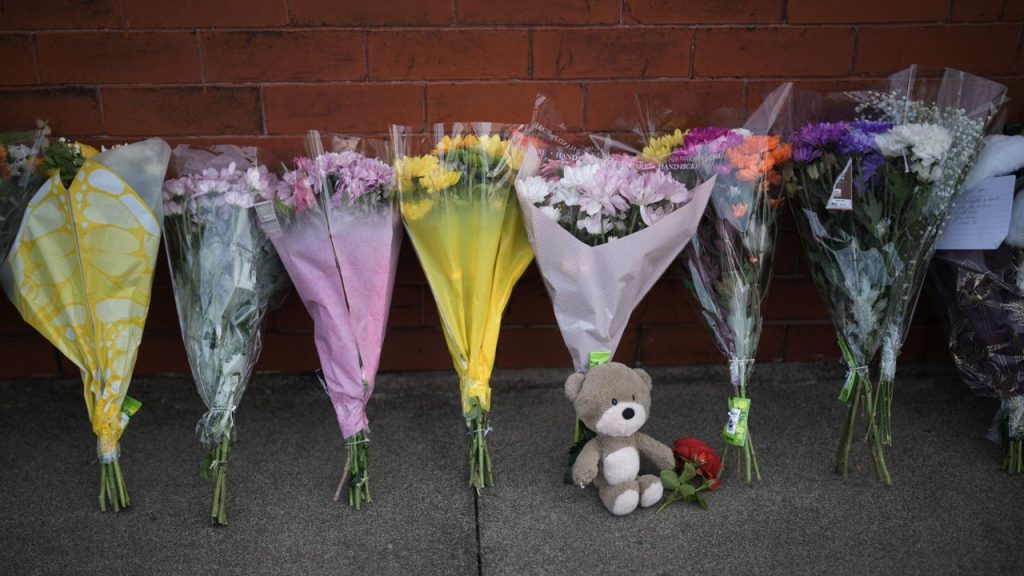
The tragedy of the Southport murders, in which three young girls were killed and several more injured in a random attack by knifeman Axel Rudakubana, “defies description”, said The Sun. The report on the first stage of the inquiry, released this week, “laid bare” what its chair called an “inappropriate merry-go-round” of public sector agencies handing off responsibility for the increasingly troubled teenager. “Catastrophe was inevitable”, said the newspaper.
The inquiry report highlighted five key factors that prevented an adequate response to the threat posed by Rudakubana: a lack of risk acceptance, poor information sharing, lack of examination of online activity, a “misunderstanding of autism”, as well as “significant parental failures” at home.
Home Secretary Shabana Mahmood said in a statement that the government has “already taken action to prevent such an awful tragedy from happening again”, but many are calling for concrete legislation to act on some of the 67 recommendations outlined in the inquiry.
What did the commentators say?
The murder of Bebe King, Alice da Silva Aguiar and Elsie Dot Stancombe was “one of the most depraved acts of violence ever seen on these shores”, said The Telegraph in an editorial. “But this did not come out of a clear blue sky.” Rudakubana’s “violent behaviour was known to his parents, his school, the police and to various agencies”. In the years leading up to the killings, he had attacked fellow pupils, been caught with a knife in public, and was referred to the Home Office anti-terror programme Prevent three times. Retired Lord Justice Adrian Fulford, who led the inquiry, said the culture of unaccountability “has to end”. “The trouble is we have heard that before”, said the newspaper, “and it never does”.
The “nightmare” of the July 2024 attacks in Southport “would never have happened if public bodies had done their jobs properly”, said The Guardian. The report did not “single out” any individual police or council officers, but “this does not make them any less culpable”: in fact, the “collective failure” to take responsibility for the events is the “single most disturbing conclusion”. The “grave failures” of those involved, including police, council officers, health professionals and Prevent, revealed the “deadly flaws” of the multi-agency systems linking them, said the paper. “Ministers must not wait for the inquiry’s second phase to explain how they plan to bring this dangerous culture of buck‑passing to an end.”
All those involved with Rudakubana’s case “should hang their heads in shame”, said Jawad Iqbal in The Spectator. The inquiry uncovered a “comprehensive” and “depressing” catalogue of “missed opportunities and systems of protection that were found wanting”. One such failure was officials using Rudakubana’s autism diagnosis to “excuse” his “increasingly erratic and violent behaviour”, rather than considering that, in this instance, his condition “heightened, rather than lessened, the risk he posed”.
“The Southport inquiry is damning in its clarity,” said The Mirror. “This tragedy was preventable.” But this report also “speaks to something far wider”: the roles and duties of parents. Fulford found Rudakubana’s parents bore “considerable blame for what occurred”, and that if they had “done what they morally ought to have done” by reporting his violent behaviour – including collecting knives and concocting poison at home – it is “almost certain” the attack would not have occurred. Parenting has “never been more consequential” in our age of “online radicalisation”, and children “disappearing into the darkness of their bedrooms”. “The duty to know your child, truly know them, and act on what you find has never mattered more.”
What next?
The next stage of the inquiry will consider the “need for a new mechanism” to manage the “growing threat” of Prevent being “overwhelmed” with referrals of teenagers who are “obsessed with violence” but do not display the “coherent ideology of political extremists”, said The Guardian. It will also consider “tighter regulation of social media use” and the “online sale of weapons”.
Any changes to the law will naturally need to be “carefully considered”, weighing up the risks of “making policy off the back of one case, however tragic”, but this case points to the need for “new policies”, “tighter processes and increased resources”. “The failures went beyond missed communications and overstretched staff.”
Questions of those who will take “organisational and individual accountability” and how government agencies will make meaningful change “remain unanswered”, said Iqbal in The Spectator. “Does anyone involved seriously reflect on their conduct and failures rather than simply seek to avoid blame and consequences?” One thing that the report makes “abundantly clear” is that “this culture must change”. “The tragedy of Southport demands nothing less.”
Inquiry into 2024 rampage revealed an ‘inappropriate merry-go-round’ of state bodies refusing to accept responsibility for Axel Rudakubana’s attack