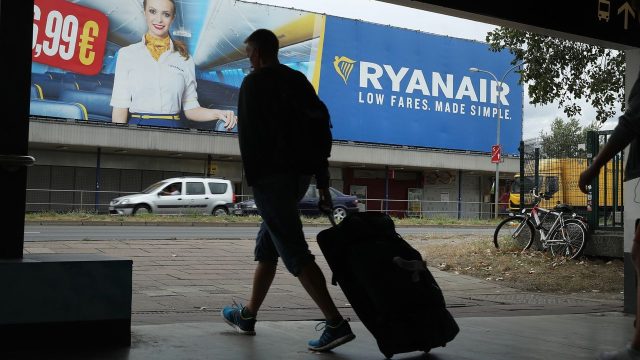
Airlines cut 13,000 flights globally in May as jet fuel prices soar due to the conflict in the Middle East.
In the future, these “spiralling” fuel costs could “spell the end of budget flights”, wrote Cathy Adams, news features editor, travel, in The Times.
Why are prices up?
Airfares have risen 24% year on year, according to the consultancy group Teneo. The price of jet fuel, usually the second-largest element of airlines’ costs after crew, is rising. In the week ending May 1, the price of a barrel of jet fuel had risen 101% year on year to $181 (£133), according to the International Air Transport Association’s Jet Fuel Monitor.
These hikes are then passed on to travellers. Prices on some routes, such as London to Hong Kong and Singapore, have trebled since the start of 2026, and so carriers, including Air France-KLM, Virgin Atlantic and Emirates, are adding fuel surcharges.
Other airlines are warning of price rises once their current hedge arrangement – which allows them to buy fuel at a fixed price – expires.
Are higher prices here to stay?
For the time being, yes. Even once the Strait of Hormuz is reopened to allow the free flow of crude oil and refined jet fuel, it will take a “minimum of three months for lower fuel costs to work their way through the supply chain”, Bryan Terry, the managing director at Alton Aviation Consultancy and former director of industry fuel services at the IATA, told Adams.
“Even then, airlines will try to hold higher fares in place as long as they can to recoup the costs and losses they’ve absorbed since the conflict began”, so passengers should “start thinking of elevated airfares as the new normal for the foreseeable future”.
There are others factors which are expected to push higher prices into the longer term. Aircraft manufacturers like Boeing and Airbus are struggling with production delays and engine shortages, which means fewer available seats overall.
Major carriers have signed “historic contracts” with pilot unions and ground crews over the past two years, and some of the cost of the wage increases are passed on to passengers, said Fly Fairly.
Finally, EU climate laws mean prices will be 13 to 14 times higher in 2030 than in 2019, claimed Airlines for Europe.
How can I find cheaper flights?
In the “near term” there are “bargains to be had” as airlines “battle to fill their planes” for a summer season during which travellers are “nervous to commit to overseas holidays”, said Adams.
The “very thin silver lining” is that as airfares go up, the cost of extras such as baggage and seat selection “typically goes down”.
As usual, airlines and agents continue to advise passengers to “book sooner rather than later” to “lock in a good deal”. Meanwhile, “whether we’ve seen the last of the £9.99 flight to Spain remains to be seen”.
We might have seen the last of the £9.99 flight to Spain