
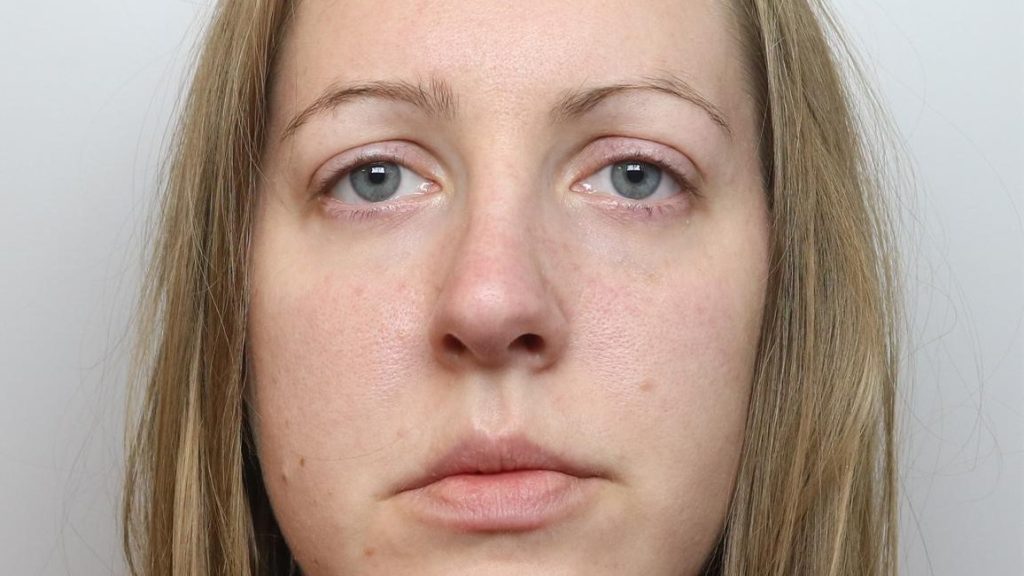
Former neonatal nurse Lucy Letby – dubbed the UK’s most prolific child killer – has begun a retrial today, accused of attempting to murder a baby girl.
Last August, the 34-year-old was convicted of murdering seven babies and attempting to murder six others during her time at the Countess of Chester Hospital between June 2015 and June 2016.
She was sentenced to 14 whole life terms in prison, meaning she is not eligible for parole. Last month she lost an appeal against her convictions after three senior judges rejected claims she had been wrongly refused legal applications during her trial.
What is she accused of?
The jury in the original 10-month trial at Manchester Crown Court was unable to reach a verdict on six counts of attempted murder in relation to five children.
After one of the longest trials in British legal history, today the same court will hear how Letby tried to murder a baby girl, known as Child K, in February 2016.
Letby, who denies all the charges, was cleared of two counts of attempted murder in August 2023.
Following the trial, Chief Crown Prosecutor, Jonathan Storer, said the decisions to seek retrials on the remaining counts of attempted murder were “extremely complex and difficult” and had been agreed only after consultation with “the families affected, police and prosecution counsel”.
The retrial is expected to last up to four weeks.
What are the reporting restrictions?
In September last year, the Crown Prosecution Service issued a statement that “there should be no reporting, commentary or sharing of information online which could in any way prejudice these proceedings”.
The court order “prohibits reporting of the identities of the surviving and dead children who were the subject of the allegations”, said The Independent.
For this reason, neither the appeal judges’ decision nor full details of the appeal hearings, which took place over three days in April, were made public, the Daily Mail reported.
The aim of reporting restrictions is to prevent the publication of material that might prejudice trial proceedings and members of the jury. Journalists found guilty of contempt of court can face imprisonment.
It means British-based news publications and social media users can report only on the outcome of the original trial, the determination that Letby was not guilty on two counts of attempted murder and the jury’s failure to return a verdict on a further six charges of attempted murder, one of which is the subject of the retrial.
International media are not bound by such restrictions, however. This has led to the possibility of a “showdown” between UK courts and publisher Condé Nast, the Press Gazette reported, after a New Yorker story revisiting the Letby conviction was blocked on its website for UK users but made available in print and on mobile app editions.
ITV News said the 13,000-word article “questioned the evidence used in the trial which convicted Letby”.
Conservative MP David Davis – a long-time free speech advocate – criticised the web block on the story, saying “it seems to me in defiance of open justice”, and asked the government to review the orders restricting publication.
UK’s most prolific child killer begins retrial accused of attempting to murder baby girl