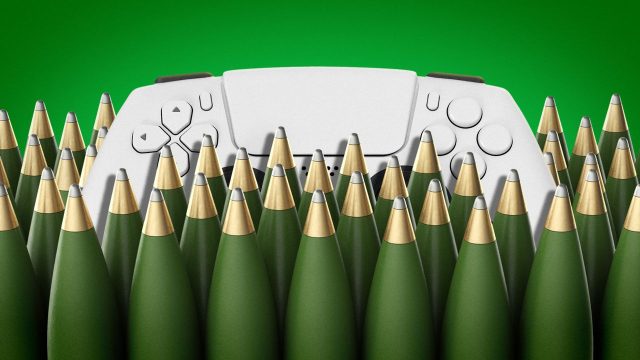
“We’re winning this fight!” shouts the narrator, as the White House video cuts from clips of “Call of Duty” to footage of US fighter jets and slo-mo missile strikes on Iran. “Courtesy of the Red, White & Blue” clocked up 58 million views in three days. A second video, “Justice the American Way”, soon followed, blending bombing footage with memes and references to “Top Gun”, the “Halo” series and “Dragon Ball Z”. The US administration’s use of imagery from video games and pop culture is, to some, just a modern way to celebrate “the nation’s war-fighting power”, said Drew Harwell in The Washington Post. But, to others, it’s a “sick and callous joke from the nation’s highest public office”.
What did the commentators say?
Donald Trump’s second presidential campaign was “marked by a rage-baiting style of communications”, and his social media output has “not shifted tone since he took office”, said Emerald Maxwell on France24. When millions took to the streets last October for anti-Trump “No Kings” protests, the president posted a “fake AI video showing himself wearing a crown and flying a fighter jet” that “dumps excrement on crowds of protesters”.Now ,“the White House is transforming the Iran war effort into a meme campaign”, said Harwell in The Washington Post. By “mixing unclassified missile footage” with the kind of “fictional and fantasy content young people share online for laughs”, Trump’s digital team is attempting to “win political points by running serious policy issues through the irreverent lens of internet culture”.They are harnessing “some of the most renowned slivers of 21st-century American popular culture” to “promote the freshly launched war with Iran”, said David Bauder and Lou Kesten on The Associated Press. “It’s hard not to see the thinking here: the more cinematic the content, the more people might support the war.” The “sober charts and briefings” of past conflicts have “largely been replaced by a public relations campaign” with a “video-game vibe”, said Helen Coster and Tim Reid on Reuters. Past administrations used PR campaigns to “explain why the US has gone to war” but, for a Trump White House that has “struggled to articulate a clear case” for its operations in Iran, “it’s about how the US has gone to war” instead. The “online propaganda campaign” is not about “intimidating Iran or projecting US strength abroad”, said J Oliver Conroy in The Guardian, but about getting support in future elections from “young right-wing American men who spend a lot of time online”. It is, as yet, “unclear” if those Gen Z males “universally appreciate the Trump administration’s narrowly tailored jingoism”.
What next?
Trump’s “precedent-smashing style of politics” has helped him “build a passionate bond with his political base”, said Michael Birnbaum in The Washington Post. But his “lack of visible effort” to expand support for the war to the wider public “carries risks”. While 81% of Republicans “supported Trump’s initial decision to strike Iran”, according to flash polling, “even at that early stage” only 54% of them supported a prolonged engagement. Support among independents and Democrats is even lower and falling. Trump’s “muscular, meme-driven imaging around the war effort” may be building support “within a slice of his existing base” but “it is less clear that it is winning over sceptics on either side of the political aisle”.
The White House is posting ‘video-game vibe’ content to promote US success in the Middle East conflict