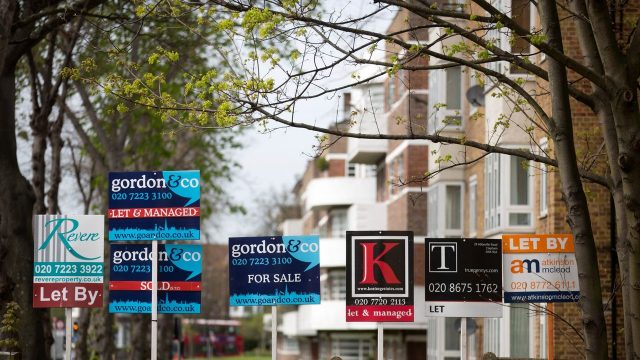
A higher proportion of homes in London were sold at a loss last year than in any other region in England and Wales as the capital’s property market continues to slump.
Owners of flats have reported losses of up to 34%, with hundreds of thousands of pounds “wiped from the value” of their properties, said This Is Money.
What did the commentators say?
The problems include “affordability pressures from higher house prices, greater supply, higher stamp duty costs since April 2025” and “speculation about the autumn Budget”, said London’s The Standard.
The capital has become a two-speed market because in “more affordable areas”, demand “tends to be strongest”, said City A.M. For instance, in the boroughs of Havering, Waltham Forest and Lewisham, the average house price reached an all-time high last autumn. But many of the capital’s most expensive boroughs “registered a contraction”.
Also, new-build properties are “increasingly unloved by buyers”, said The Telegraph. The building of new homes in London “ground to a halt” last year because of “everything from onerous red tape” to Sadiq Khan’s “mandate that over a third of new housing be sold at a discount”. The reality is “almost nobody” is buying a new-build home in London.
It is “no secret” that new-builds are “often sold at a premium to similar homes on the second-hand market”, said This Is Money. So it will “take longer for these properties to increase in value. Anyone selling a new build in the first few years can typically expect a loss.”
This is “going to become a serious political issue”, said Will Dunn in The New Statesman, as the crash in prices “brings together two groups of people”. On one side are those renting, “who are furious they have been excluded from the market”. On the other are the owners “who are furious that the market has failed to reward them as they were led to believe it would”.
What next?
The “tide is beginning to turn”, Marc von Grundherr, director of estate agents Benham and Reeves, told The Standard, because there have been fewer price reductions since the beginning of the year.
Forecasters are divided over what comes next. A study by Rightmove predicted that London house prices will rise by just over 1% next year, compared with a 2–3% increase in prices on average in the UK.
While that might not sound like a crash, said Dunn, “prices are all relative to the price of everything else” and the price of everything else in society has risen more quickly than that. Nominal house prices across the UK have roughly doubled since 2003, “a fact that is often cited when talking about the affordability crisis”. But because “£1 today has lost almost half of its purchasing power relative to 2003, the real value of the average UK property is basically the same as it was then”.
Some sellers have reported losses of hundreds of thousands of pounds