
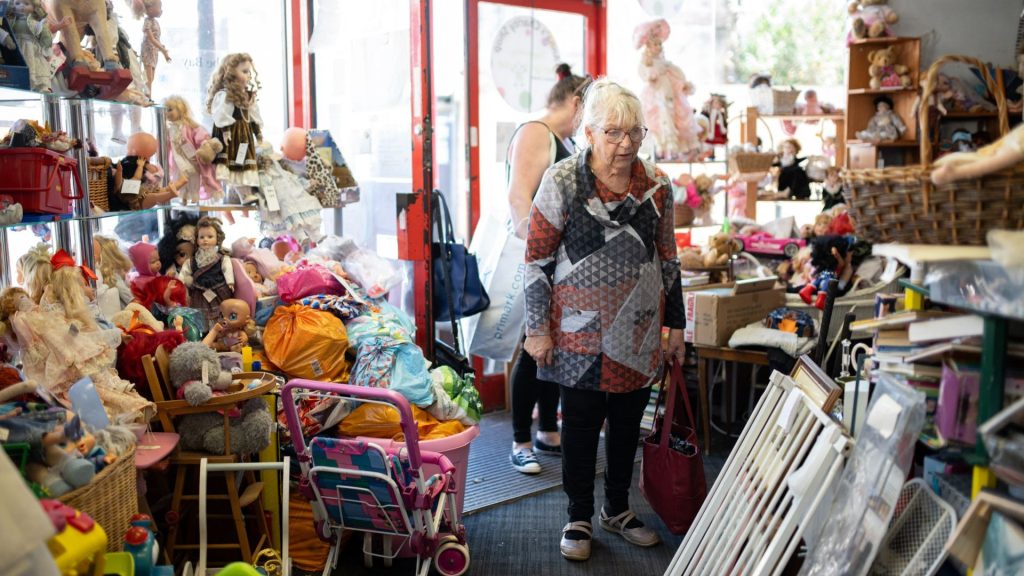
The UK collectively donates an estimated 350,000 tons of clothes each year to our 9,900 charity shops, but the future of the sector seems in doubt as “more and more” of the outlets are closing.
Oxfam is considering shutting 100 of its 500 UK retail stores just months after the British Heart Foundation announced plans to close 150 of its 640 shops.
How do charity shops work?
When one of Britain’s earliest recorded charity shops was opened in Edinburgh in 1937, there were “queues outside” and “police on hand to manage restive shoppers”, said The Guardian.
By the 1960s, charity shops were becoming more familiar sights, and in recent years shopping for second-hand goods has lost its stigma and become recognised as a sustainable alternative to fast-fashion and throwaway culture.
The UK’s charity shops are staffed by about 223,000 volunteers and 24,900 paid employees. Together, they made more than £300 million in 2024-25. Charity shops don’t have to pay business rates, although they’re “still hit by increases in national insurance and wage bills”.
Why the decline?
Those running charity shops agree that “the glut of fast fashion” has led to a drop in the number of good-quality items being donated, said The Guardian.
“Charity shops in Britain are overwhelmed with stuff,” said Tansy Hoskins, author of “Charity Shop World: An Investigation into Community, Consumption and Waste”, in The Telegraph. The problem is they are “desperate to get rid of most of the old clothes they are given”, with most of them sold off to recycling companies in “ragbags”. The average price paid to charities for a kilo of worn clothes has “dropped from 45p to 15p” over the past decade.
Charity shops are also competing with second-hand online retailers like Vinted and eBay, which are increasingly also a resource for the charities themselves. “We need to put the higher value items that we do get on eBay to make the most money for the charity that we can,” said one charity shop manager on Reddit.
The picture is not entirely bleak. The rise of resellers who visit charity shops to buy stock to sell on themselves for profit creates a “virtuous circle”, providing the shops with “significant income”, said The Guardian, while also increasing interest in thrifting.
What’s the reaction been?
“I’m struggling to shed a single tear,” said Simon Heptinstall in The Spectator. Charity shops’ exemption from business rates has given them a “ridiculous near monopoly” on high streets, helping to push out “butchers, bakers and normal clothes shops”. Thanks to “an army” of “unpaid volunteers” and prices worthy of a “Bond Street boutique”, they rake in vast profits to support their own “sprawling corporate infrastructure”; they are no longer a community asset but an “optimised extraction racket”.
Robin Osterley, outgoing chief executive of the Charity Retail Association, has rejected suggestions that the sector is in crisis. Acknowledging that charity shops are facing challenges “maintaining their profitability in the face of some really significant rising costs”, he told Civil Society in May that I don’t “have any concerns about the future of shops”. I also “think some of the trends we’ve been seeing towards higher standards and towards larger shops in particular will continue”. He also flagged the potential of AI to “identify, describe and list donations”.
Lack of good-quality items and rise in online retailers is forcing more stores to shut their doors