
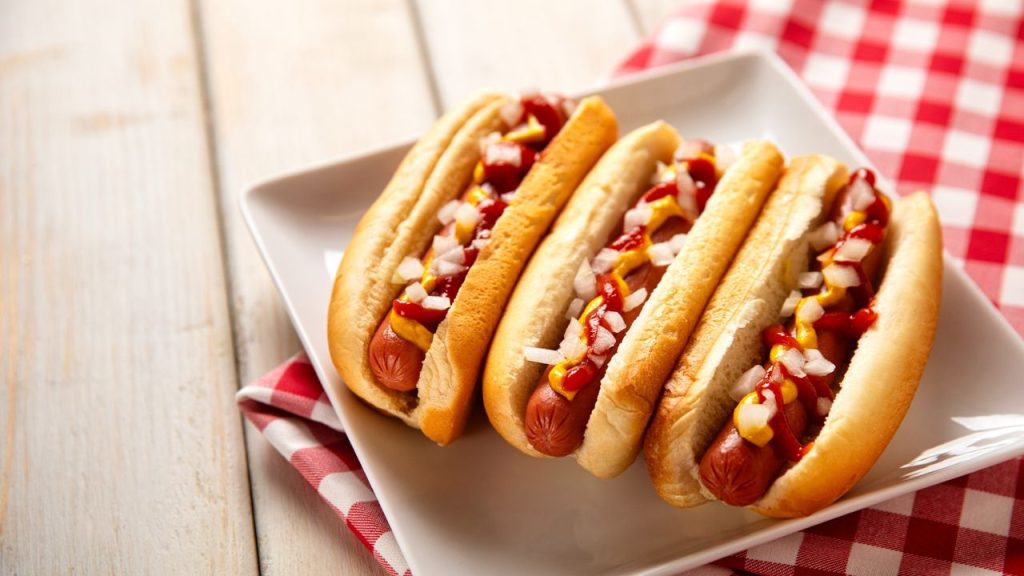
Hot dogs are quintessentially American. Initially the food of immigrants, the humble combination of a frank wrapped in a bun became part of the country’s cultural fabric, a staple at picnics, baseball stadiums, barbecues and fairs. Regional styles vary — get yours topped with coleslaw in the Carolinas, cream cheese in Seattle and sauerkraut in Birmingham — but they all honor traditions while showcasing local flavors.
A quick history lesson
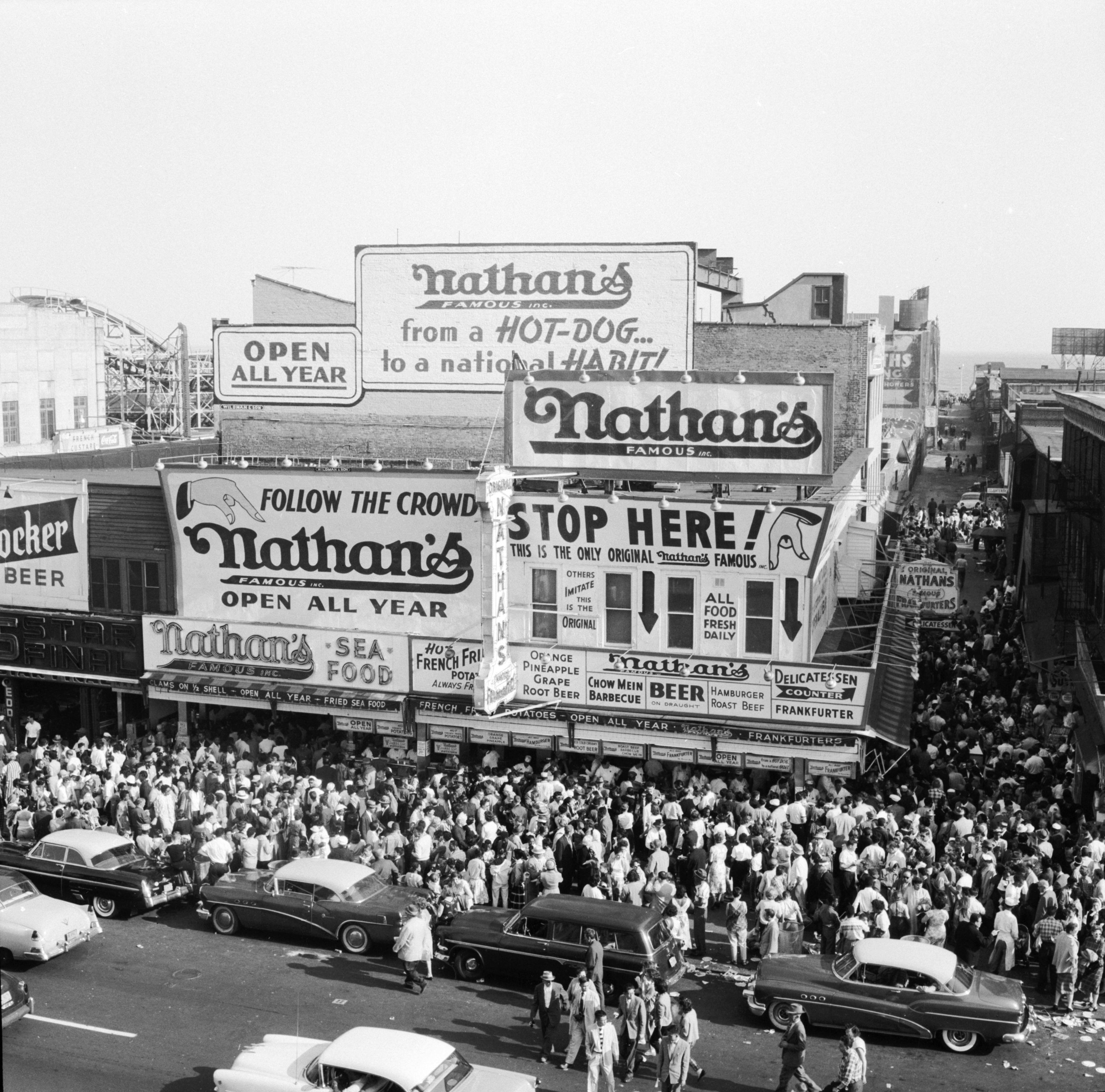

German immigrants who came to the United States during the mid-19th century brought along a love for sausages. During the 1860s, carts began to pop up in New York City, with peddlers selling bun-wrapped thin sausages that had a “special Old World snap,” said Smithsonian Magazine. They were both “portable and tantalizingly inexpensive,” and it wasn’t long before these “handy treats” made their way to Coney Island, where seaside revelers enjoyed them while strolling the boardwalk.
Millions more were introduced to the dish at the 1893 World’s Fair in Chicago, when a pair of “entrepreneurial” Austrian Hungarian immigrants, brothers-in-law Emil Reichel and Samuel Ladany, set up a Vienna sausage stand in the Austrian Village section of the expo, said the Chicago History Museum. Their sausages, topped with mustard and onions, sold for 10 cents each and were such a hit that after the fair the pair opened Vienna Beef Inc., which remains “arguably the hot dog king of Chicago.”
By 1900, vendors were slinging sausages at race tracks and baseball fields, and people began referring to the portable meal as a hot dog. There are a few theories on how the name came to be, with some saying it’s because the meat was often called a “dachshund sausage” and others claiming a connection to the slang term “hot dog,” which meant a “swaggering young man who loitered with other flashy dandies,” said Smithsonian Magazine.
Chicago-style hot dog
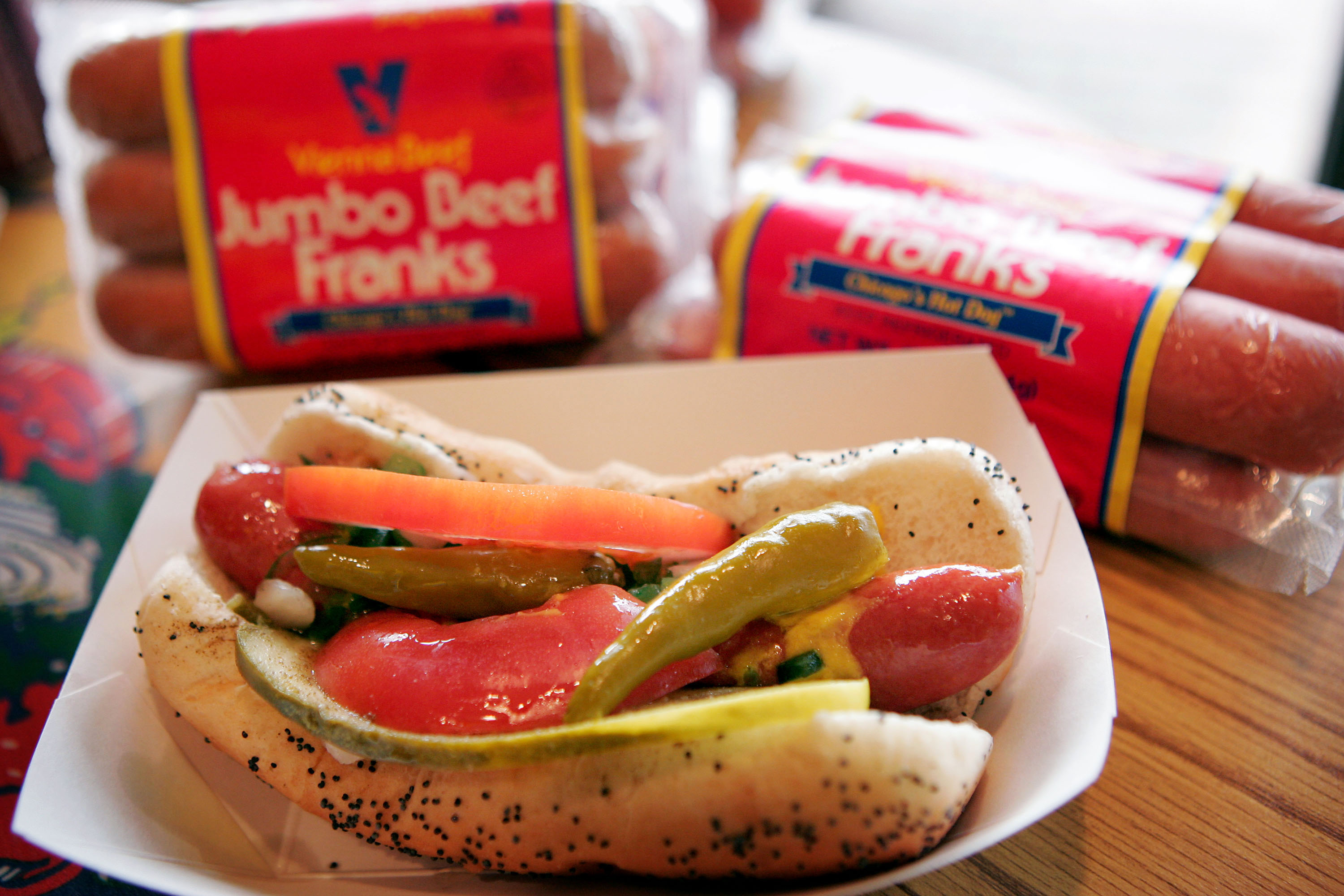

What is it? An all-beef frankfurter in a poppy seed bun, topped with yellow mustard, relish, chopped onion, tomato slices, sport peppers, celery salt and a pickle spear.
This hot dog is all about the toppings, and “each component has a specific role to play,” said Mashed. Sport peppers bring the heat, pickles the brine and mustard the tang, which “balance the sweetness of the relish.” Various immigrants are responsible for these flavors, with the poppyseed bun “reflecting Eastern Europe” and the “elements that dragged the hot dog through the garden,” like onions, tomatoes and pickle, courtesy of Greeks and Italians, said WTTW.
There’s one condiment you won’t see on a Chicago-style dog: ketchup. That’s because during the early 1900s, ketchup was “used to cover up the flavor of poor-quality meat,” said NBC 5 Chicago. Not having to squirt any on your hot dog was a “source of pride” and “symbol of higher quality.” All these years later, the tradition still stands.
Where to try it: At Gene & Jude’s, the hot dogs are “expertly prepared” and have an “exceptional snap,” said Serious Eats. The stand, located outside of Chicago in River Grove, is “continuously packed,” but the dogs and “just-fried hand-cut fries” that come on the side are worth the wait.
Detroit-style Coney Dog
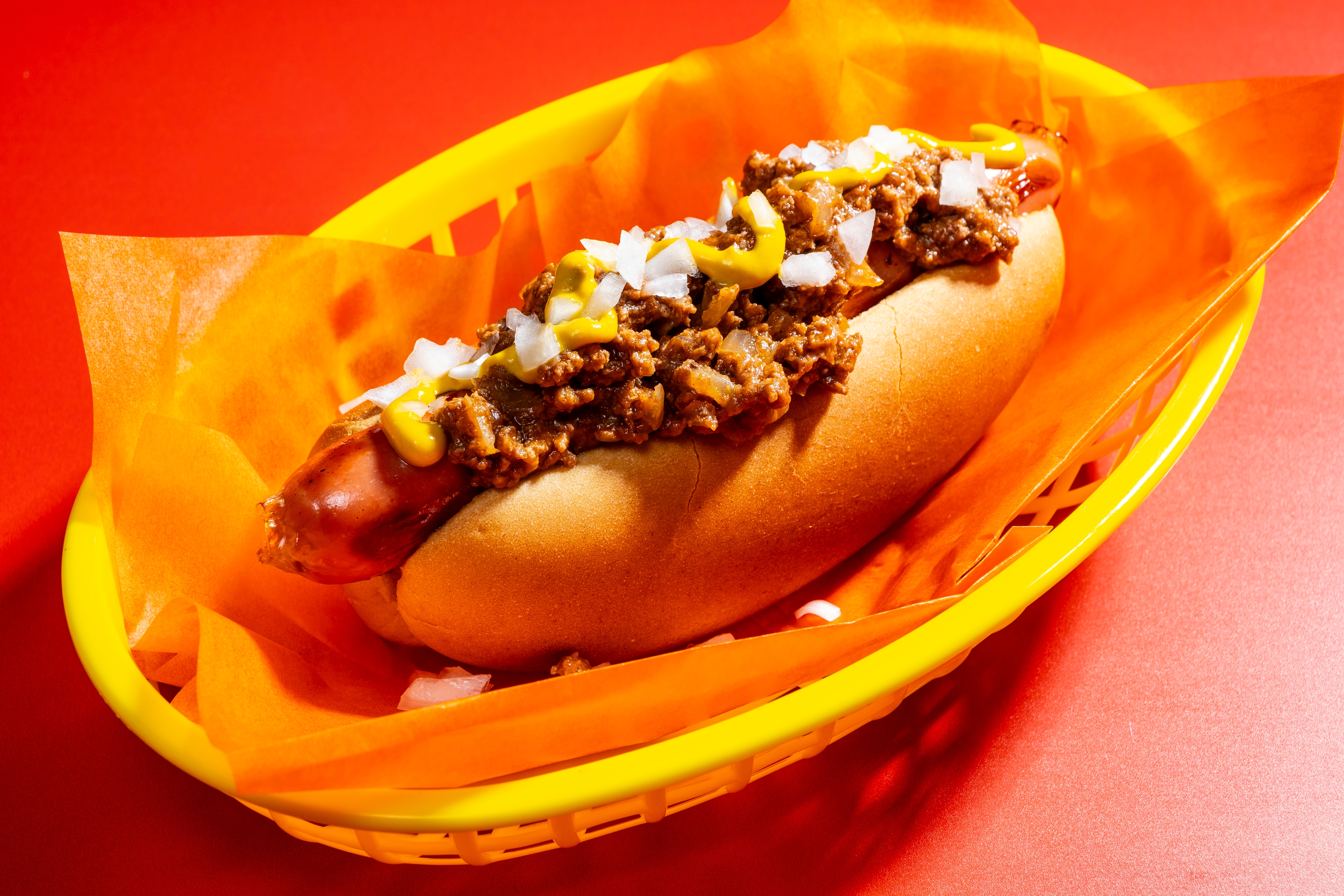

What is it? A beef frankfurter in a steamed bun, topped with meat chili, diced white onions and yellow mustard.
The Coney Dog, now ubiquitous in Detroit, was created more than 100 years ago by Greek immigrants. As the story goes, they “ventured first to Coney Island” in New York, where they tried the famous hot dogs at Nathan’s, then decided to sell their own version in the Motor City, said Detroit PBS. The secret ingredient in their chili is Greek spices and is an ode to the immigrants’ homeland.
One of the earliest hot dog joints to open in Detroit was American Coney Island, which brothers Constantine “Gust” Keros and Bill Keros opened in 1917. After a falling out, the two went their separate ways, and Bill opened his own shop, Lafayette Coney, next door. The feud is part of Detroit’s culinary history; both restaurants remain open today.
Where to try it: There is “no better spot to indulge” in a Detroit-style Coney than Duly’s Place, said Eater. Open for more than a century, the diner remains a “go-to” thanks to its “consistency” and “greasy-spoon environment.” The dogs here have a “satisfying snap” and come “slathered” in all the necessary toppings.
New York System hot wiener
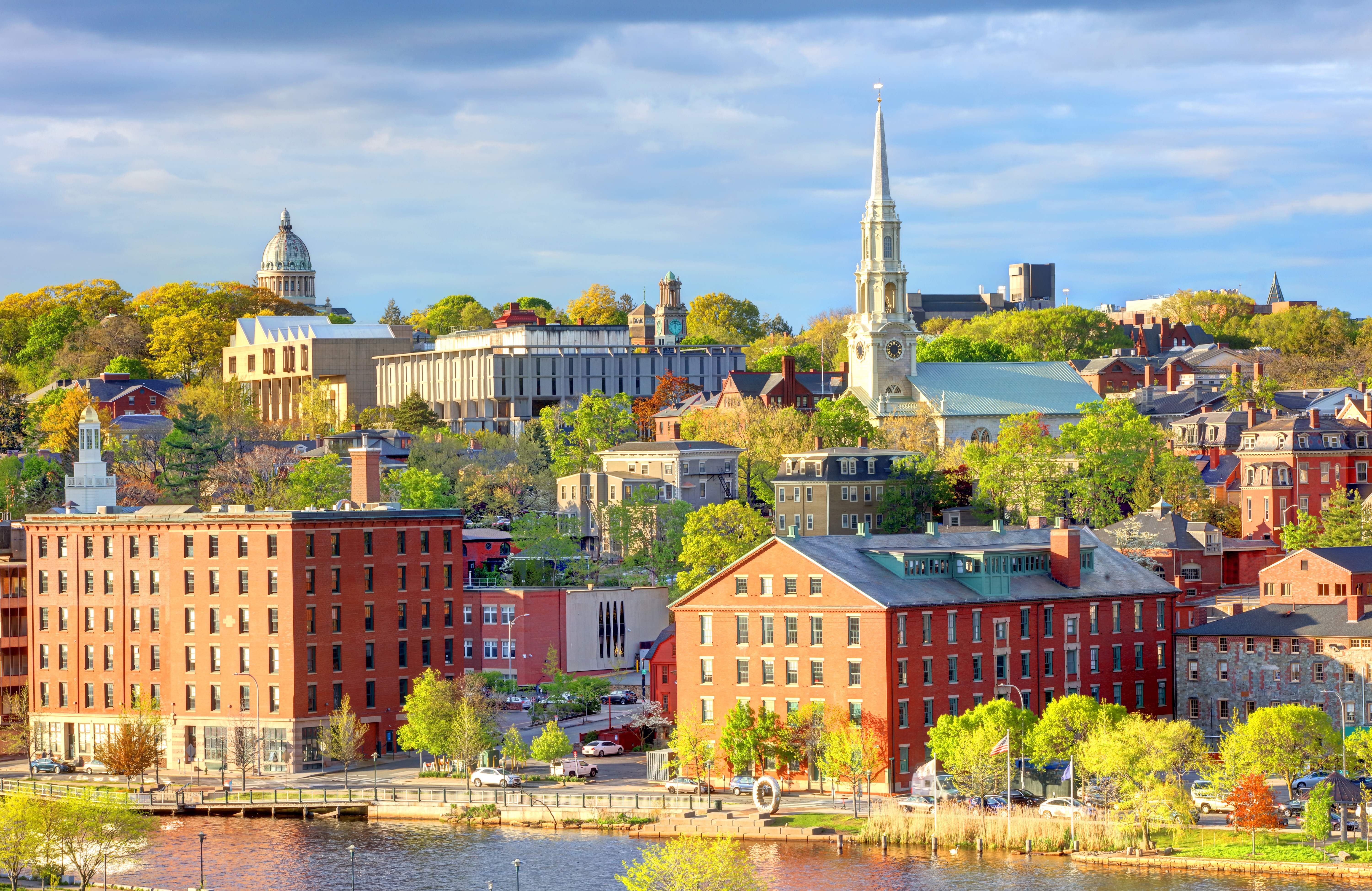

What is it? A wiener made of pork, beef and veal in a steamed bun topped with celery salt, mustard, chopped onions and spiced meat sauce.
Rhode Island’s take on the hot dog, introduced in the 1920s, “began as a loose nod” to Coney Island-style, but its “identity” was soon “shaped” by Greek immigrant hands, “local tastes” and a “very specific spice profile” that made it stand on its own, said Tasting Table.
The wieners are “smaller than standard hot dogs,” and the meat sauce does not have the consistency or taste of chili. Rather, it’s a “finely textured, crumble-like mixture” seasoned with cinnamon, paprika, allspice, cumin and Worcestershire sauce.
Where to try it: Olneyville New York System in Providence has been serving hot wieners in the same spot since the early 1950s (there’s a sister location in Cranston). The operation is still family-run, and as such there’s a “‘Cheers’-style vibe where everybody knows your name,” said Tasting Table. Pair your dog with a coffee milk, Rhode Island’s state drink.
Puka dog
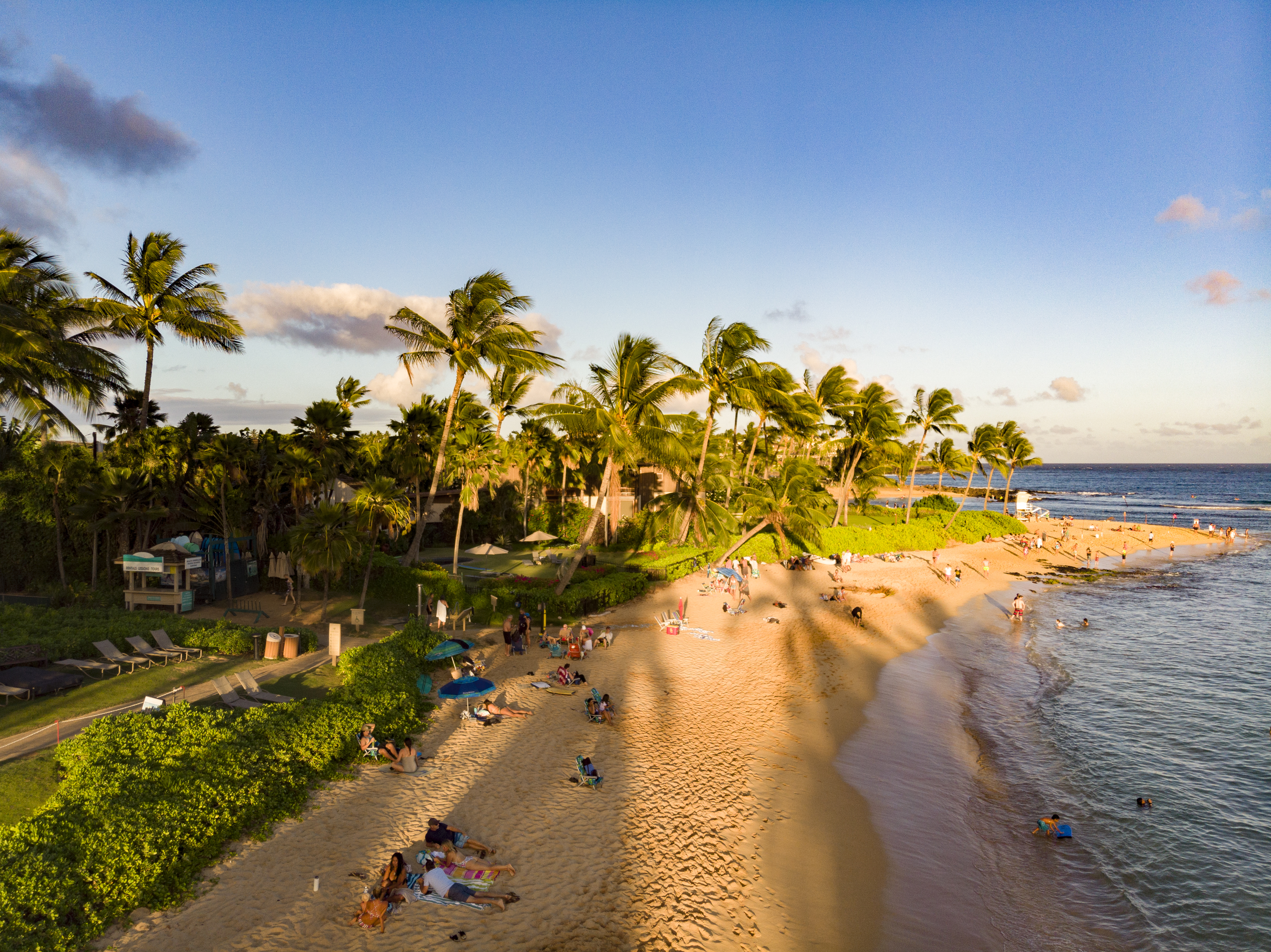

What is it? A Polish sausage (or veggie dog) stuffed inside a Hawaiian sweet bread bun, topped with garlic lemon sauce, tropical fruit relish and Hawaiian mustard.
Poke, loco moco, kalua pig and huli huli chicken are all Hawaiian classics, but ignore the Puka Dog at your gustatory peril. The Hawaiian-style hot dog is a fusion of traditional ingredients with tropical accoutrements that give it a “vibrant flair,” said Chowhound.
These can be customized, with the relish alone covering “kaleidoscopic options, from star fruit to banana, coconut and more.” It was created in the early 2000s at the Puka Dog hut on Kauai, and while “spinoffs are widespread” across the Hawaiian islands, this is where the dish was perfected.
Where to try it: The place where it all began: Puka Dog. Ordering is a four-step process: meat or veggie dog, mild or spicy secret garlic lemon sauce, which tropical relish, and mustard or no mustard. The “patient” Puka Dog crew will help you “tweak” things if you “have any questions at crunch time,” said SF Gate.
Sonoran dog
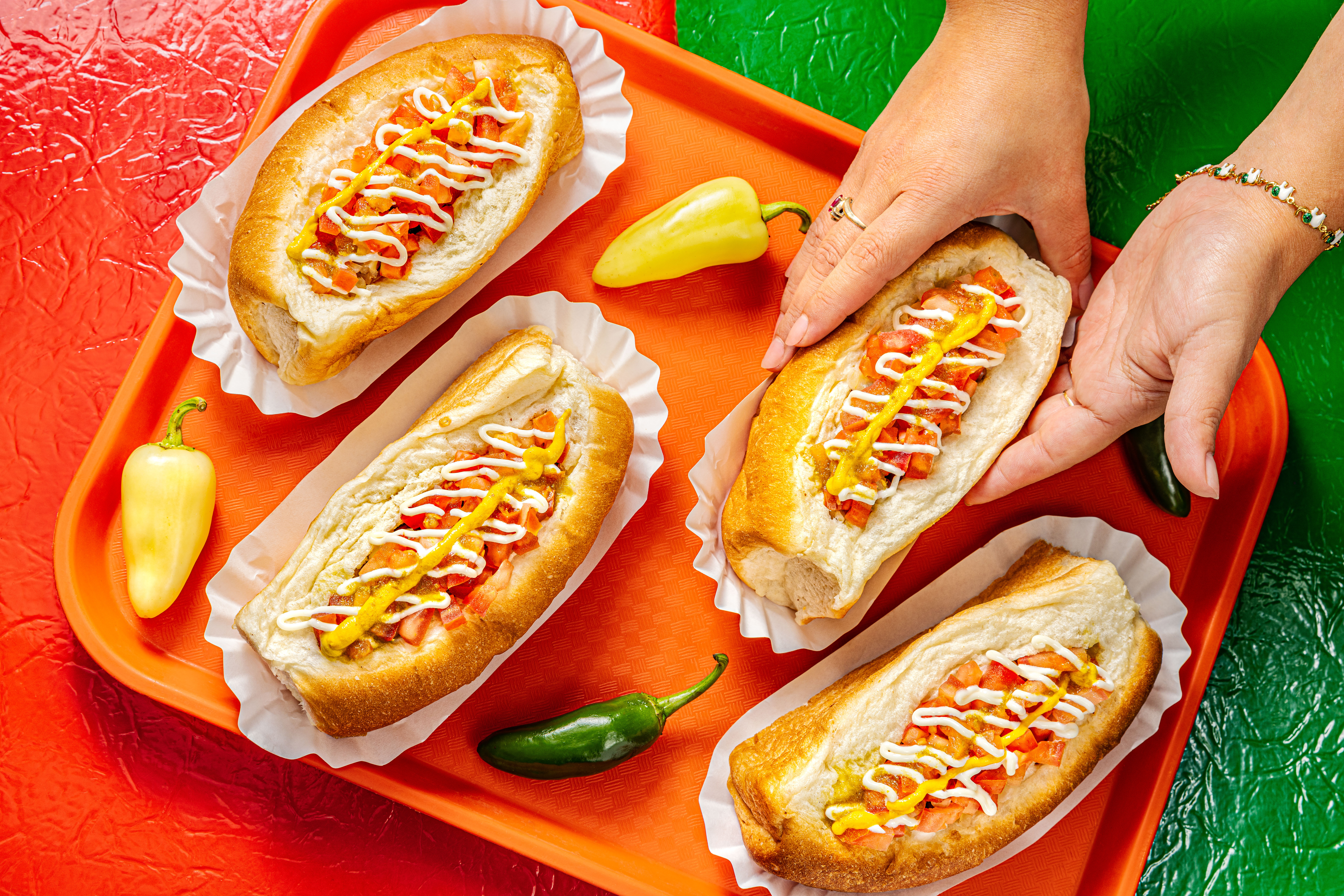

What is it? A hot dog wrapped in bacon in a bolillo and topped with onion, tomato, mustard, salsa verde, pinto beans and mayonnaise.
The Sonoran dog is Arizona’s “most popular fusion of Mexican and American food” and over the last 30 years has “cemented itself itself as a cherished local tradition,” said the Arizona Republic. Its roots are in Hermosillo, the capital of the Mexican state of Sonora, where legend has it the flavorful dish got its start as a popular snack sold at baseball games during the 1940s. Benjamin Galaz of BK Carne Asada & Hot Dogs is credited as the leader of the pack in Tucson, opening the first Sonoran dog food cart on the city’s South Side in 1993.
Where to try it: Tucson has made it incredibly easy to find the best Sonoran dogs in town. The new Sonoran Dog Trail highlights 15 spots, from street cart vendors to old school establishments, and if you visit them all, you’ll receive a souvenir t-shirt. One of the stops, El Güero Canelo, is the “ultimate Sonoran dog spot,” said the Arizona Daily Star. Its hot dogs are “cooked well” and nestled in “nice and soft” buns, with toppings like cooked onions and mustard that add a “tanginess to all the savory flavors.”
Hot diggity dog! These regional delicacies are worth every snap and squish