What happened
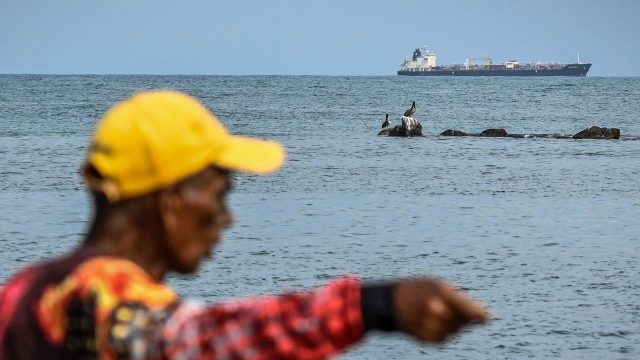
The U.S. is allowing a sanctioned Russian “shadow fleet” tanker to deliver oil to Cuba, President Donald Trump said Sunday, effectively breaking his de facto blockade. “If a country wants to send some oil into Cuba right now, I have no problem with that, whether it’s Russia or not,” he told reporters on Air Force One.
Who said what
Trump’s administration has gone after Cuba “more aggressively than any U.S. government in recent history,” The Associated Press said. The oil blockade was “an effort to force regime change,” but it has had “devastating effects” on civilians, “leaving many desperate.” The delivery of the roughly 730,000 barrels of oil on the Anatoly Kolodkin tanker will “reduce pressure” on Havana as it faces “a looming economic collapse,” The New York Times said. It was “unclear why the White House” is allowing the tanker to reach the island, but the decision “avoids a potential thorny confrontation with Russia just off the coast of Florida.”
Trump’s Cabinet was “limited in what it could legally do to stop the tanker,” The Washington Post said. “Seizing or boarding a Russian vessel while simultaneously managing an active military conflict in Iran” would also “pour fuel on already volatile energy markets,” Brett Erickson with Obsidian Risk Advisors told the Post.
What next?
The Anatoly Kolodkin was expected to dock in Cuba by Monday morning. Erickson told Reuters that the “two and a half weeks of oil” on the Kolodkin “can be extended to about a month in total.” The 730,000 barrels “buys them time” in Havana, University of Texas oil expert Jorge Piñón told the Times. “But this is not a magic wand.”
‘If a country wants to send some oil into Cuba right now, I have no problem with that,’President Donald Trump said