
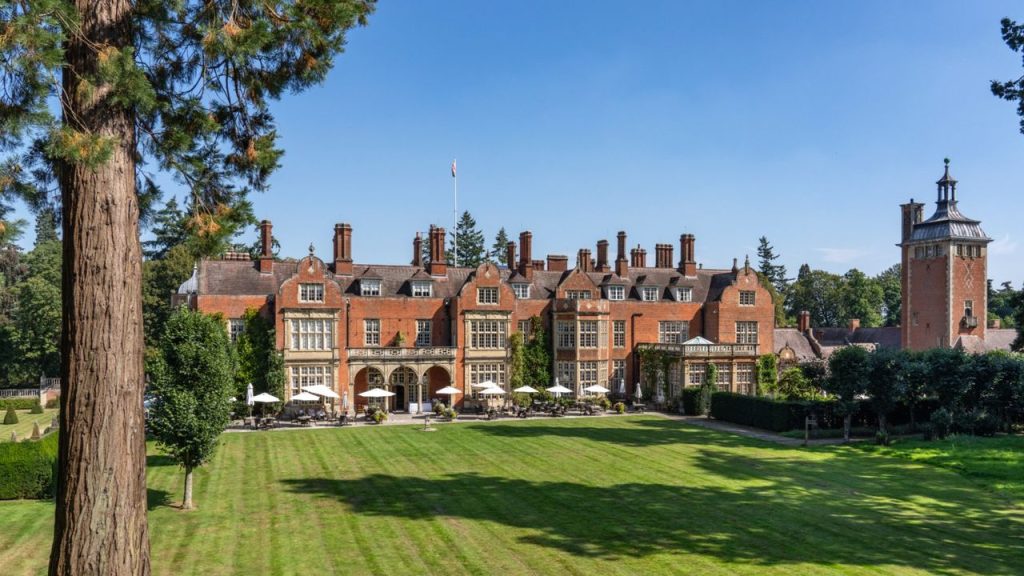
At the end of a winding tree-lined driveway, this grand country house appears suddenly, like a dame at a ball. The late Victorian-era mansion, set in 66 acres of prime Hampshire parkland and gardens, certainly makes a statement.
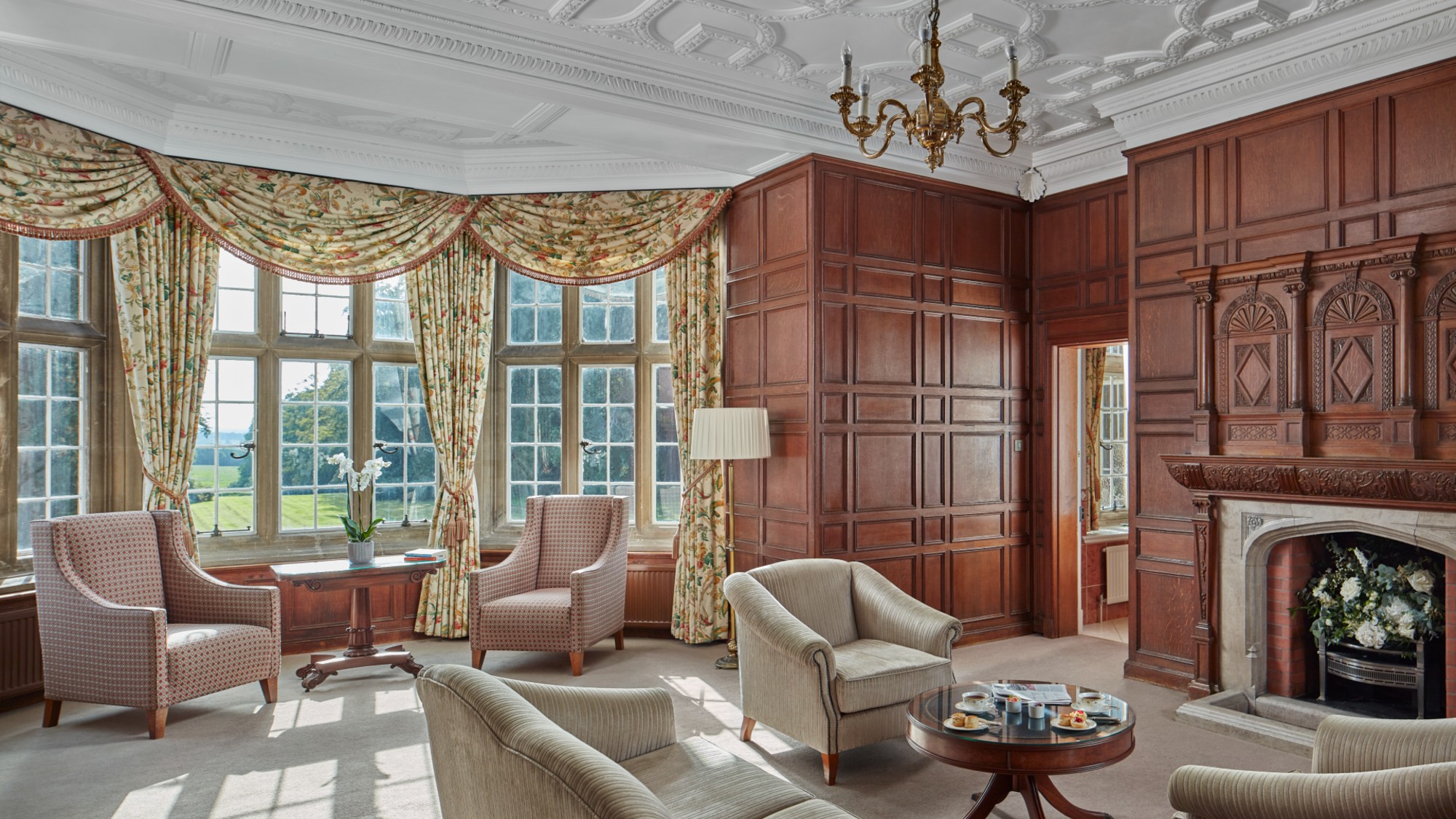
When you step through the entrance archway onto the marble floor, you’re greeted with floor-to-ceiling walnut panelling that sweeps up the staircase, overlooked by gilt-framed portraits of past residents. This Grade II-listed hotel might boast a spa and award-winning restaurant, but it still feels like a grand country house (I imagine).
Why stay here?

Have you ever wanted to step into the pages of a Regency novel and be transported to a world of balls, halls and primogeniture? This is the place to do it. In fact, Tylney Hall is near many important Jane Austen sites. Her cottage, where she wrote “Pride and Prejudice”, is about a half-hour drive away, as is her grave, in the north nave aisle of Winchester Cathedral. The hotel itself feels familiar to fans of her work; you can imagine Mr Darcy brooding in a corner of the Library Room, or Elizabeth Bennet roaming the grounds.
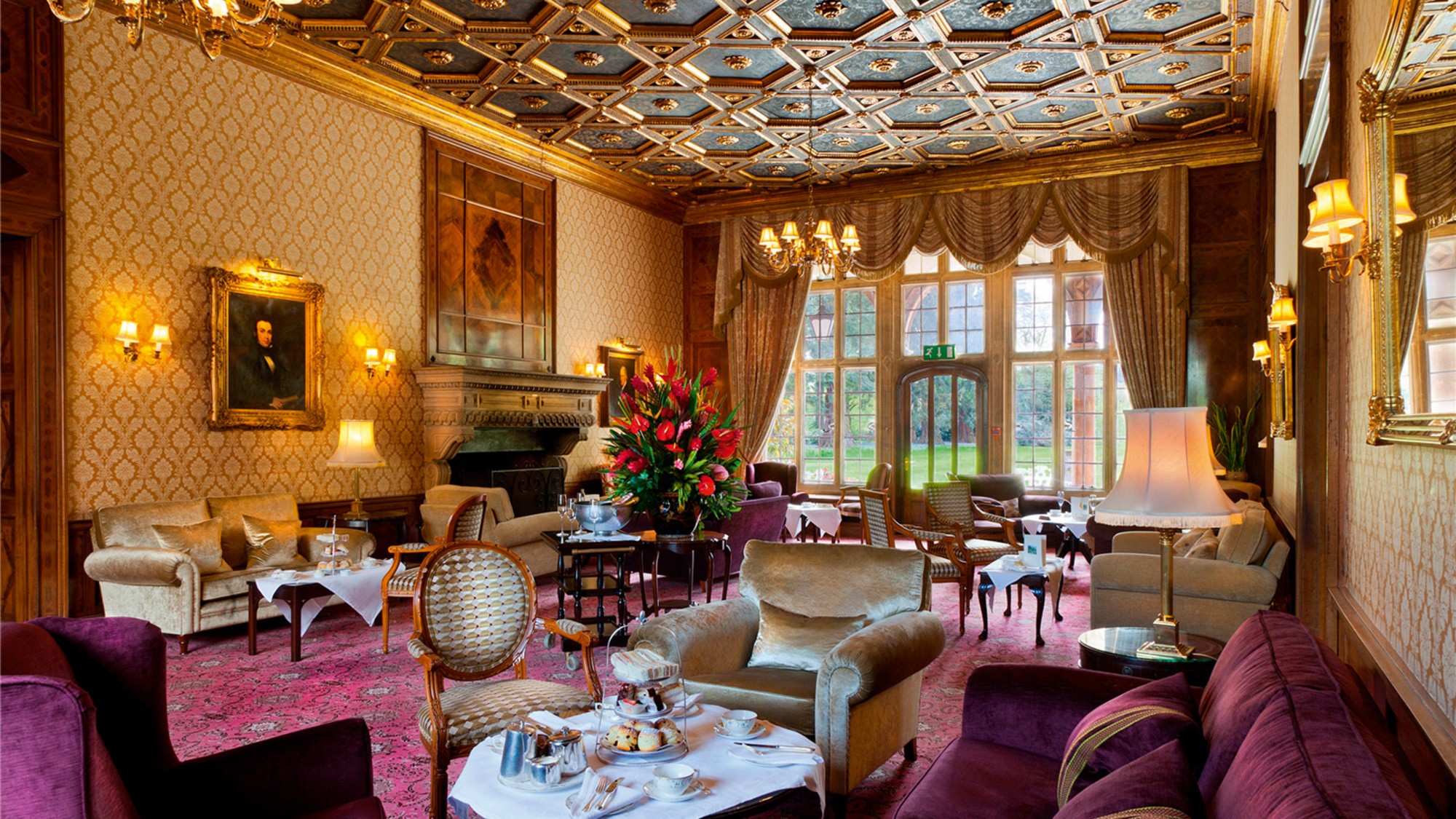
Tylney Hall is the first of three Elite Hotels, an independent group that has carefully taken on some of the UK’s foremost historic homes. Tylney Hall has a fascinating provenance dating back hundreds of years, first as a home, then a First World War hospital, a school and the HQ of a shipping line. It’s worth reading the various information plaques dotted around the mansion and sprawling grounds. The Italian Lounge, for example, has a magnificent blue-and-gold ceiling imported from the Grimation Palace in Florence in the late 19th century.
Some of the 113 rooms are as you’d hope: fit for minor aristocracy. Think massive suites inside the mansion with four-poster beds, marbled bathrooms, and sitting rooms with views across the lawn. All that’s missing is a butler.
But some are located in the courtyard or gardens, and inexplicably furnished like student halls. To get to the spa, you have to walk back via gravelled pathways through the trees in your robe and slippers, braving inclement weather and darkness (there is zero lighting). Sneaking around like a scullery maid feels like a big ask on a spenny weekend break. Perhaps you’d do better to stay in the bathroom with the gorgeous Molton Brown toiletries.
Eating and drinking
The continental breakfast buffet is so comprehensive that I discovered a new type of jam. Dietary requirements are well catered for; every possible intolerance from celery to sesame is marked on the menu, and every milk substitute is available, which surprised me in an English country hotel. But the best items are à la carte – if you haven’t the space for the full English, with hand-linked, butcher-fresh pork sausages, go for the smoked salmon with perfectly poached eggs, or the filled pancakes with banana and crème fraîche.
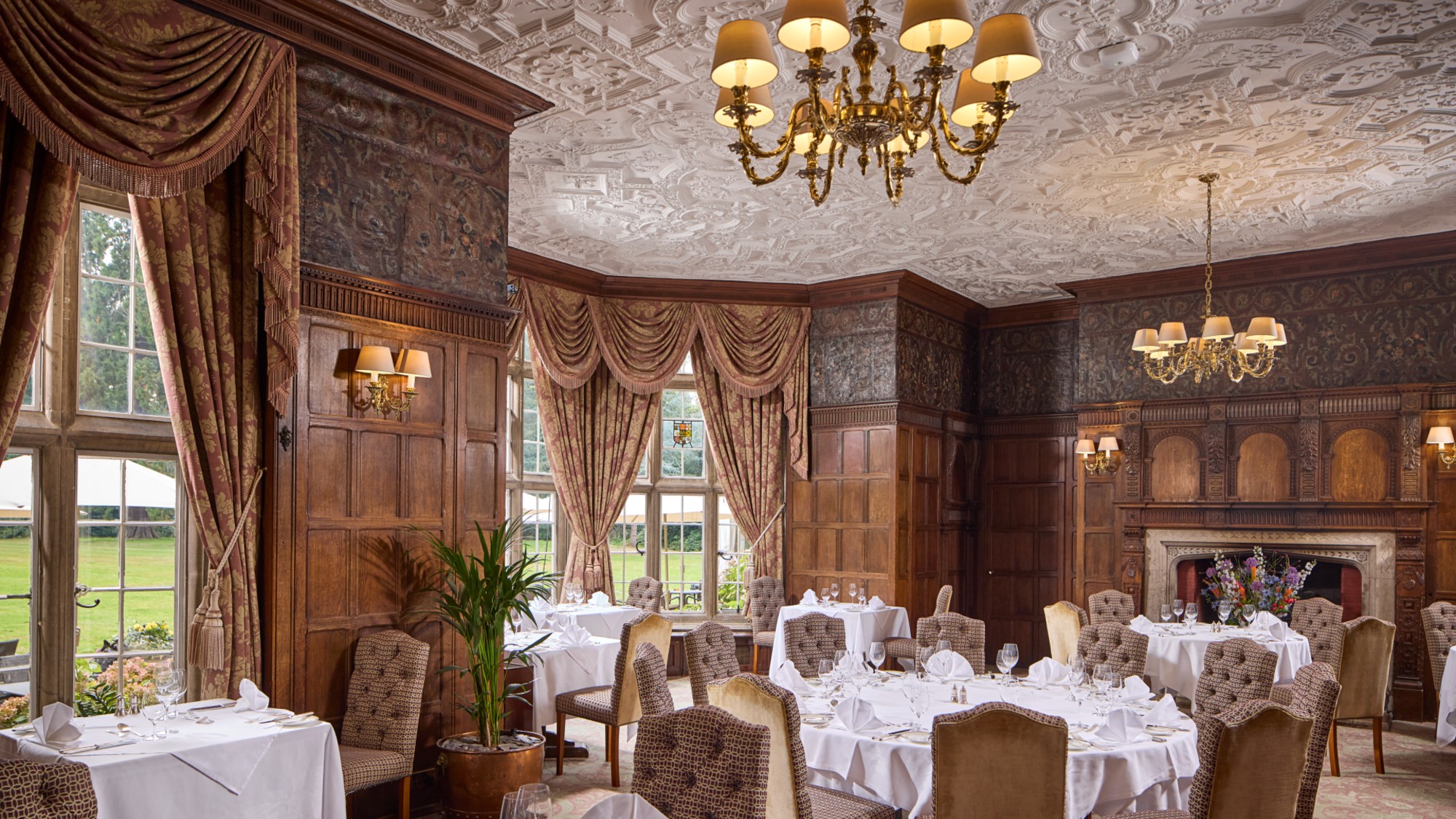
The afternoon tea in the Grey Lounge is popular: a theatrical affair, with homemade pastries and silver teapots. Dinner is served in the opulent Oak Room Restaurant, and like the curtains, the menu skews towards rich, heavy and conventionally British. Mains like baked pork belly with rose harissa and coriander couscous, salmon poached in browned butter with mussel and cockle risotto, and a sharing Chateaubriand with chips are all presented with a flourish on white tablecloths, accompanied by the tinkling of a grand piano.
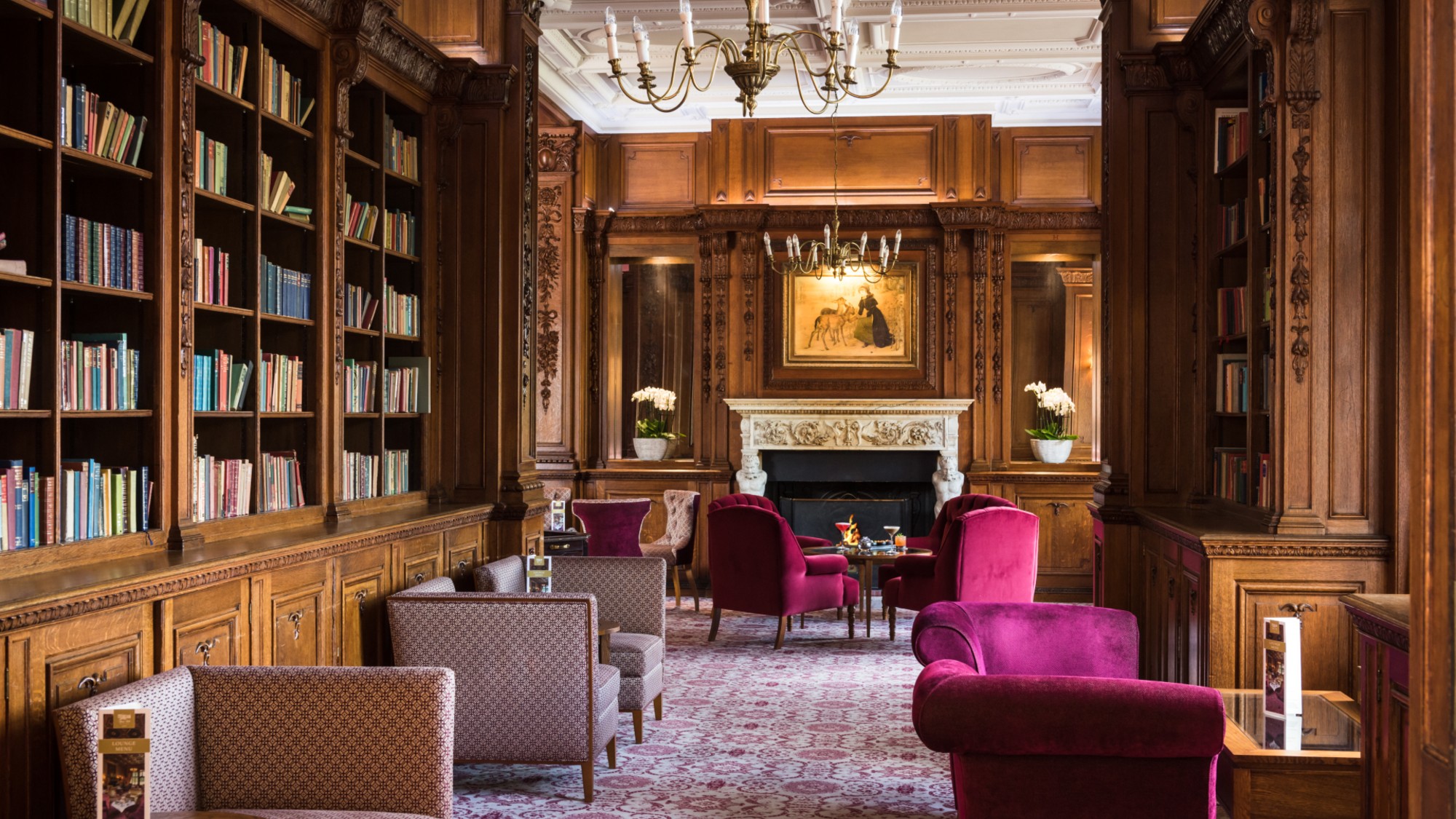
The beef fillet with wild mushroom gratin and autumn black truffle is the stand-out – but take care. The prices aren’t on the menu for a reason; lay off the starters and sides unless you want a hefty bill at check-out. I ended my evening with a stiff drink in the Library Bar, curled up in front of the fire like a Bridgerton earl.
Things to do
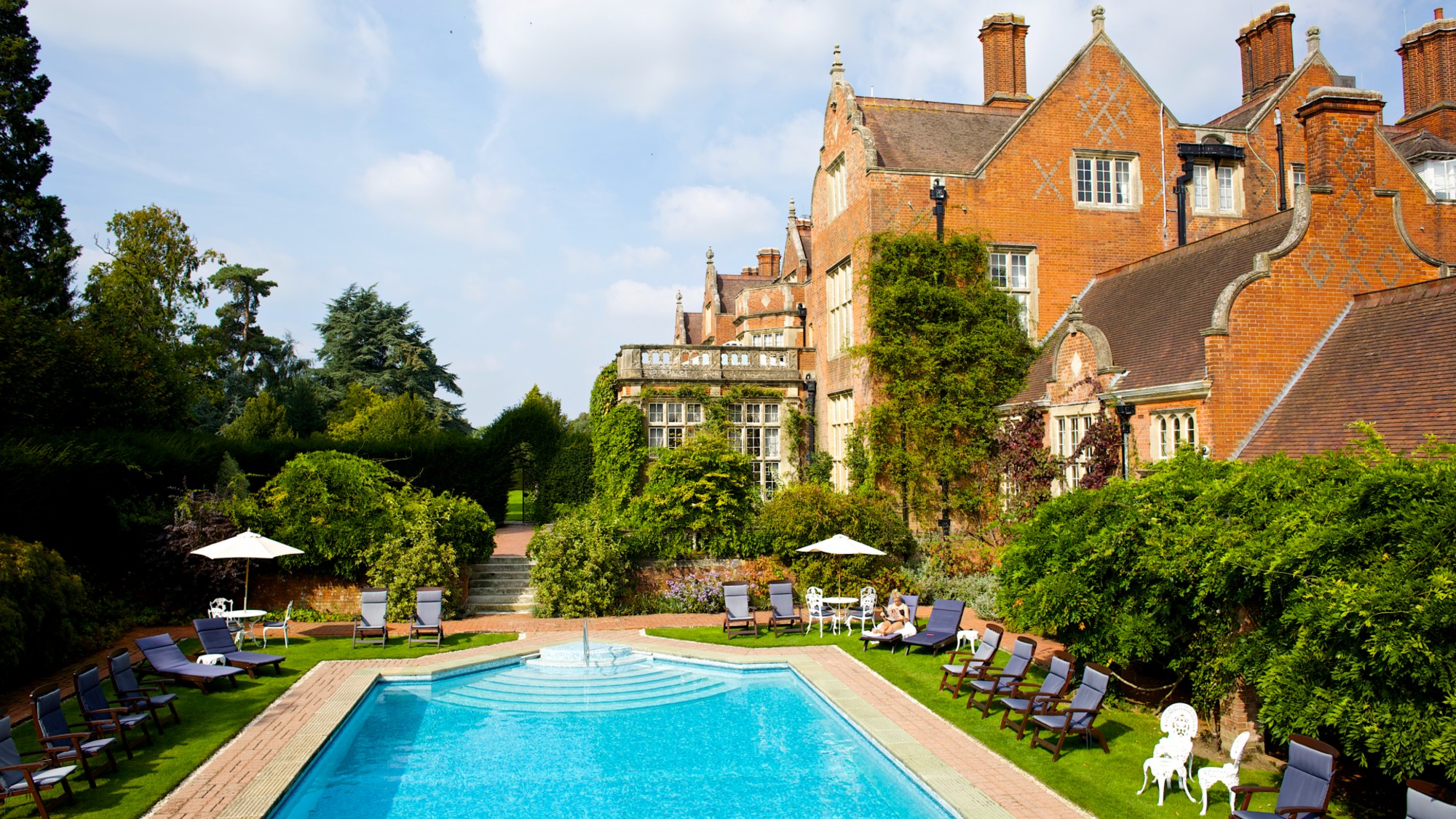
The outdoor pool, in pride of place within a walled Dutch garden, is a focal point in summer – weather permitting. The high trees shade half the sunbeds, so you’ll need to get up early to grab a good spot.
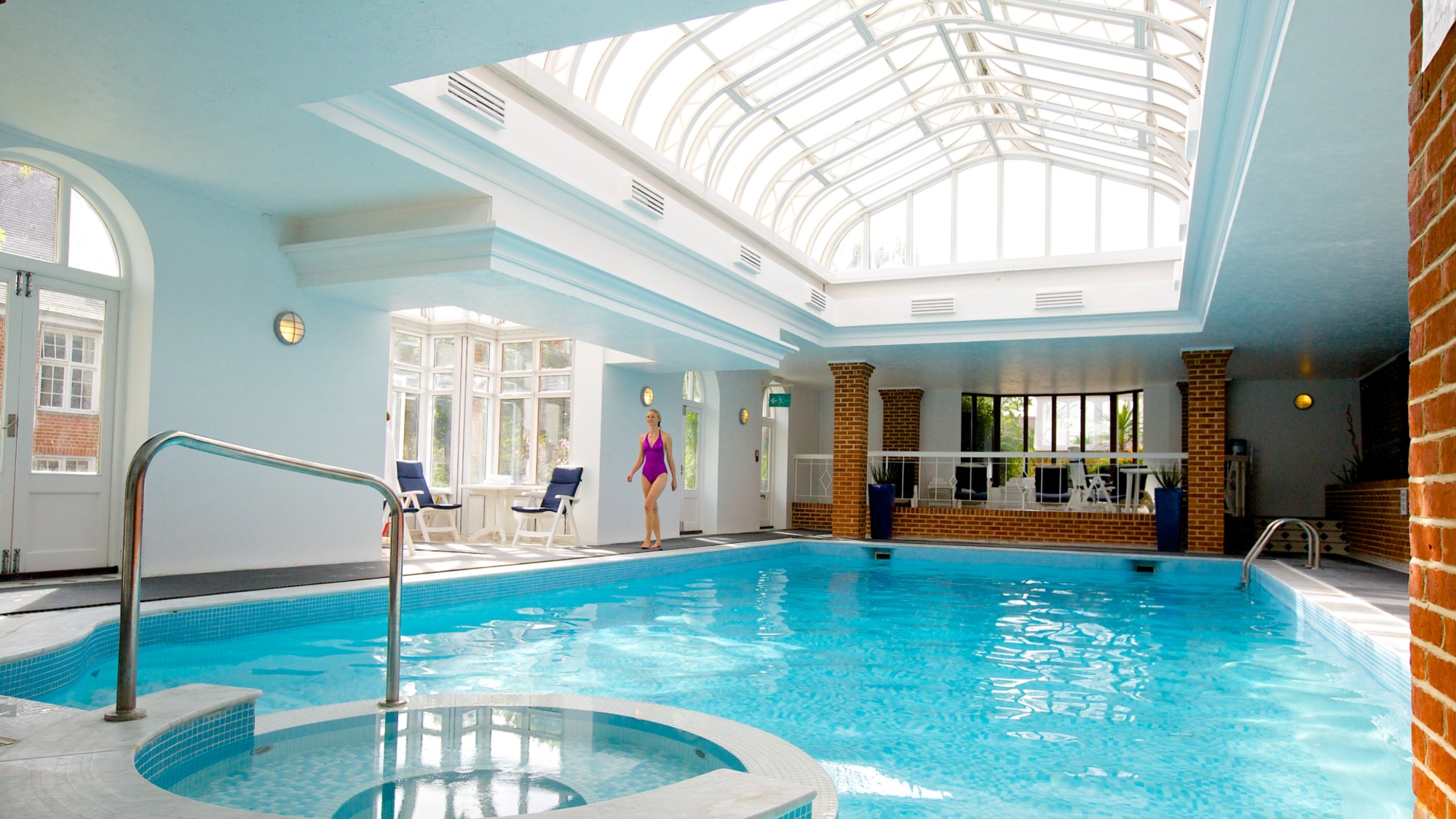
The indoor swimming pool area is beautiful; light floods in from the arched glass roof and through floor-to-ceiling windows. The problem is the acoustics. If you’re in there alone, the silence is funereal, but as soon as anyone opens their mouth for a chat, the noise is deafening. One hen party group nearly brought the roof down. Some low-fi chill, or generic spa music, would help the ambience. But otherwise, it’s a breathtaking bit of architecture.
You can fill your boots with genteel country pursuits: a game of golf or tennis, croquet, clay pigeon shooting and walking trails. Don’t miss the water gardens, designed by renowned horticulturalist Gertrude Jekyll, as well as lakes of Monet-style water lilies and a pond of fancy koi carp.
The verdict
Tylney Hall is conveniently located near Junction 5 of the M3, and a short taxi hop from the village station of Hook if you’re coming by train. But it feels like a world away from modern life.
It would be a shame to treat it as a spa-break destination, however – treatments are extortionately priced, and the facilities are limited. Consider it instead as a luxurious visit to a bygone era.
The jewel in its crown is the grounds: ancient trees, rolling hills, manicured formal lawns, rose and azalea flowerbeds, and an Italian garden complete with statues and a fountain. Follow the trails that wind through the gardens and orchard, then sit by the Boathouse Lake, taking in views of the house, and imagining the lives of those who once called it home.
Harriet Marsden was a guest of Tylney Hall Hotel and Gardens, part of the Elite Hotels Group
Grade II-listed Victorian-era mansion boasts a spa, swimming pools and award-winning restaurant, but feels like a historic country home