There are “good reasons to be skeptical” of the TikTok sale, said The Washington Post in an editorial. “A year past the original deadline,” TikTok’s Chinese owner, ByteDance, at last finalized a deal to spin off the bulk of its U.S. business and its 170 million American users to a consortium of investors last week. However, the devil is in the details. The “ban-or-sale” law passed by Congress in 2024 “stipulated that any new U.S. spin off company should have no ‘operational relationship’ with ByteDance.” But this deal gives ByteDance a 19.9% stake of the new company—and it will retain ownership of TikTok’s powerful algorithm, which it will license to the spinoff. “This saga was never about TikTok’s utility or popularity but its Chinese ownership and apparent links to the Chinese Communist Party.” With that in mind, the divestment “sounds like much less of a breakup than Congress intended.”
That doesn’t seem to matter to President Trump, said Jim Geraghty in National Review. He “wants to be loved by the young Americans who use TikTok” so badly that he has “shoved through this deal, which hand-waves away the national security concerns.” The key to the issue has always been ownership of TikTok’s algorithm, which should never be left in China. A “licensing” agreement is “a complete violation of the law.” Six years on from the first attempts to ban it, “TikTok is no less of a security risk,” said The Economist. But Trump, who “once branded TikTok” a national security threat, has sided with public opinion, which shows that fewer Americans seem to care. The outrage is especially dim now that “so much else in America has become more dangerous.”
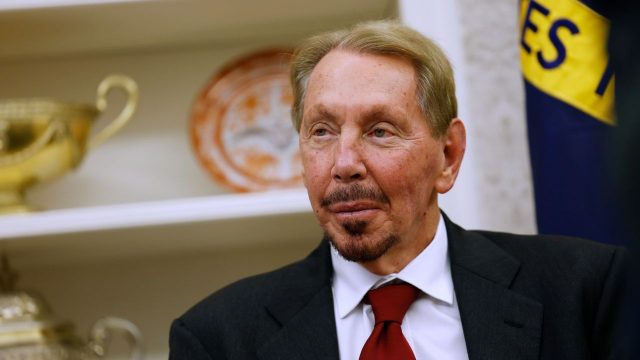
The deal puts Trump and his allies “in charge of yet another driver of American culture,” said Brendan Bordelon in Politico. “At the forefront of TikTok’s new ownership structure” is Oracle, whose cofounder and chairman, Larry Ellison, is a Trump supporter. With the app in Ellison’s hands, TikTok fans fear its fate “could mirror what happened” when Elon Musk took over Twitter and started serving up “a flood of far-right, pro-MAGA content.” The censorship may have already started, said Scottie Andrew in CNN.com. Some TikTokers said they had difficulties posting commentary about Immigration and Customs Enforcement operations in Minneapolis, “drawing a circumstantial connection between their efforts to make videos about ICE” and the app’s new Trump aligned ownership. The controversy caught the attention of California Gov. Gavin Newsom, who said he is investigating the claims of suppression.
TikTok’s new owners may have “come into the bargain ofthe century,” but it won’t take much to squander it, said Dave Lee in Bloomberg. No price was revealed for the transaction, though Vice President JD Vance said the app was worth $14 billion last year, or “about what its U.S. advertising business makes annually.” That’s a far cry from ByteDance’s purported valuation of $500 billion. But whether the U.S. venture “can maintain its competitive edge” without access to ByteDance’s engineers is an open question. So too is whether users will revolt if “their favorite digital space is being MAGAfied.” This saga is far from over.
What are Larry Ellison’s plans for TikTok US?