
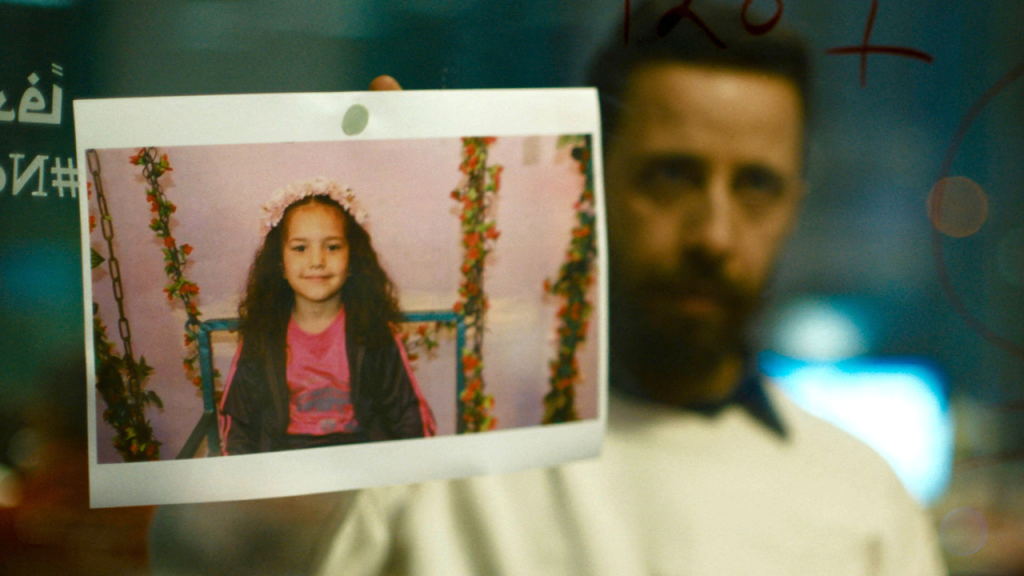
When Hind Rajab, a five-year-old Palestinian, was found dead in Gaza City in February 2024, “she quickly became one of the most visible victims of Israel’s war against Hamas in Gaza”, said Ben Kenigsberg in The New York Times.
Twelve days earlier, she had been in a car with six members of her family when it was shelled by the Israeli army. Five of them were killed immediately, leaving just her and her teenage cousin alive. Her cousin rang the Red Crescent, but was killed by gunfire while on the call. In the next few hours, the group did its best to save the stranded child – two paramedics died trying – but in vain. Rather than attempt to “visualise these horrific events from Hind’s perspective”, this “wrenching” film is mostly set in an emergency call centre in Ramallah, 50 miles away. The call handlers are played by actors but the “harrowing cries for help” that we hear are Rajab’s own.
“An innovative hybrid of drama and documentary”, this shattering film is sure to draw tears from many viewers, said Nicholas Barber on BBC Culture. Because we are hearing Hind’s actual voice, “we have the stomach-churning illusion that she can still be saved, even though we know that’s impossible”. What the film conveys particularly powerfully “is the pain of wanting to change a situation which is agonisingly out of your hands”.
I admit that “I dreaded watching this film”, said Robbie Collin in The Telegraph. I was deeply uneasy about its use of a dead child’s voice; but, in fact, director Kaouther Ben Hania has created an “ardent, sobering chamber piece”, underpinned “by a calm artistic rigour that transcends shock value”.
‘Wrenching’ film about the killing of a five-year-old Palestinian girl in Gaza