This is where Paris stole Helen and triggered the Trojan War; that’s where Heracles fought the lion; here are the Arcadian mountains that goat-footed Pan called home, and over there are the gates to Hades.
The Peloponnese peninsula of Greece is a land packed with myths and legend. Hanging down from Corinth like a four-pointed leaf (it used to be called Morea or mulberry), it’s at its prettiest in flower-strewn April to June. As well as a wealth of ancient Greek sites to soak up, there’s also stacks of drama from more recent times. Set off on an old-style road trip and, in just a couple of days, you can journey from Homeric palaces and 2,000-year-old amphitheatres to Venetian fortresses, clifftop monasteries, dramatic gorges, and the strange battle towers of feuding medieval clans.
Nafplio to Epidaurus and Mycenae
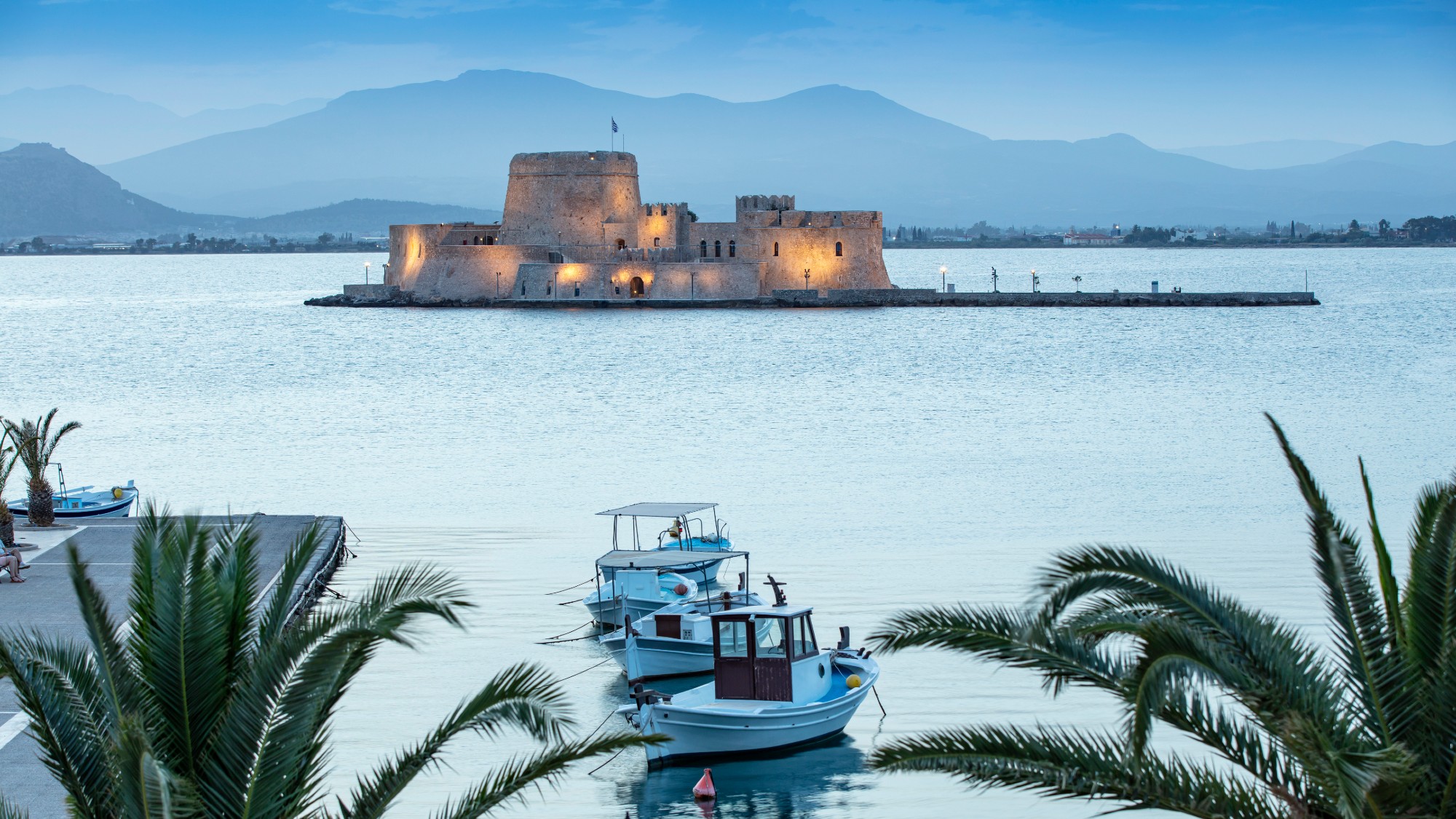
The pretty harbour town of Nafplio, a couple of hours south of Athens, makes an ideal first base. The fledgling capital of modern Greece, it has a lovely faded elegance, with narrow streets, flower-draped balconies and a photogenic Venetian fort on an island in the bay. We stayed at the quirky Ilion Hotel, all sloping floors, antique finds and walls hand-painted with idiosyncratic copies of famous portraits. Towering over the town is another, much bigger, Venetian fort, the Palamidhi (named after Palamedes, Nafplio’s legendarily clever local hero, who outwitted Odysseus and, well, didn’t live long enough to regret it). Climb the 900-odd steps (or cop out in a car) for a walk through its eight baroque bastions and some breathtaking views.
Just half an hour west of Nafplio is Epidaurus, the ancient site of the cult of Asclepius, the healer god who had a bit of a thing for snake cures. Star of the archaeology show here is the beautifully preserved 14,000-seat amphitheatre. Built with limestone slabs in the fourth century BC, it has near-perfect natural acoustics, as the tour guides enthusiastically demonstrate.
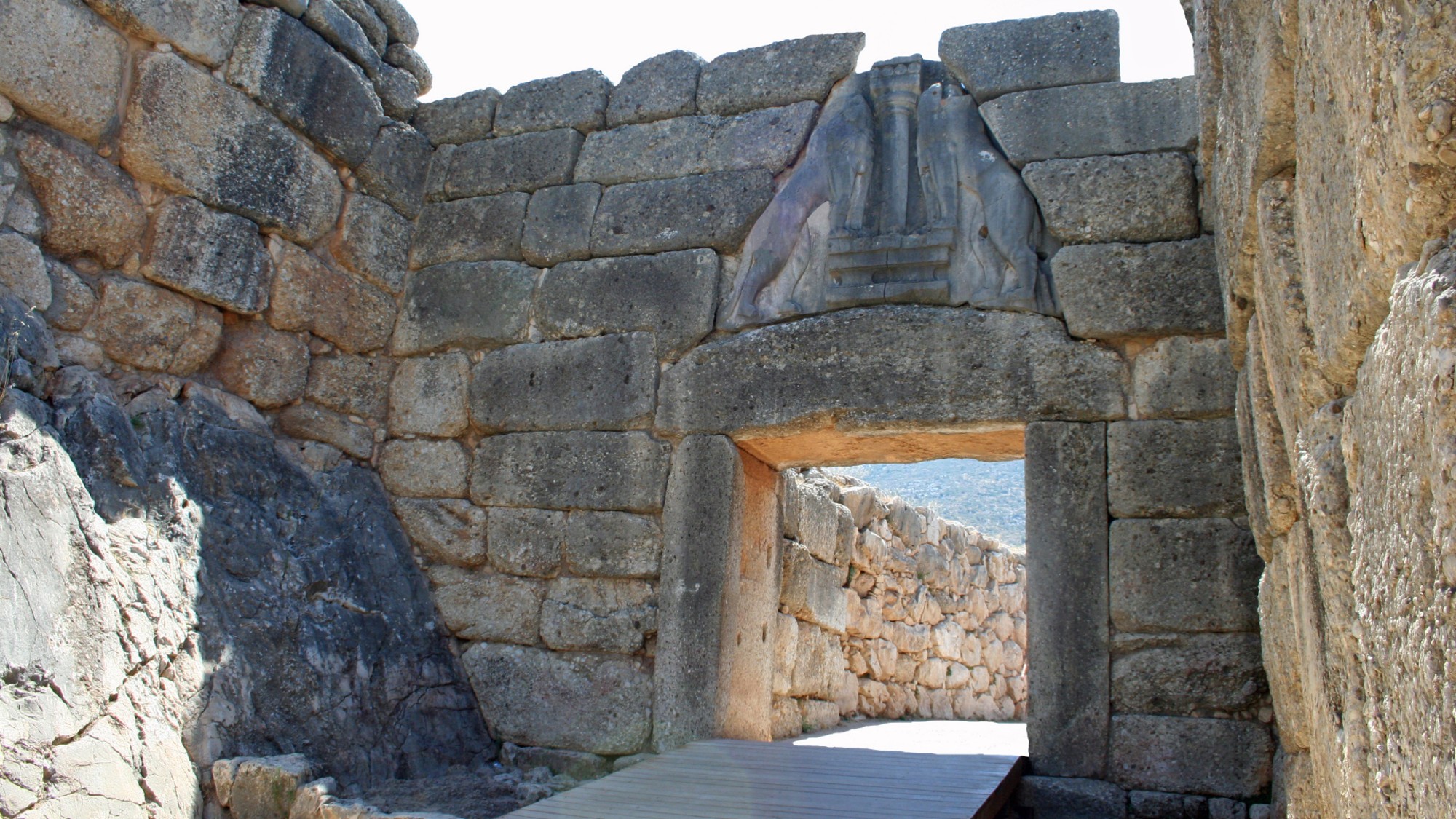
North of Nafplio is the Bronze Age citadel of Tiryns, where you can walk round the “mighty walls” Homer described in “The Iliad”. It’s well off the tourist trail, so you can stand pretty much alone on the hilltop ruins of the palace and look over the Argos plains to the sea. Twenty minutes further north is Mycenae, home of the spectacularly ill-fated Atreus family, who had a gory habit of killing each other. Walking through the colossal stone posts of the Lion Gate into the walled citadel, you can feel the confidence of a town that dominated the region and from where Agamemnon took command of the Greek forces that set out for Troy. A few metres down the hill, tourists flock to the Treasury of Atreus, a massive, conical tholos (“beehive”) burial vault, but few visit the slightly smaller but no less impressive tholos tombs just outside the entrance. Head there for a quieter gape at the astonishing mortar-free construction.
Dimitsana and Arcadian mountain trails
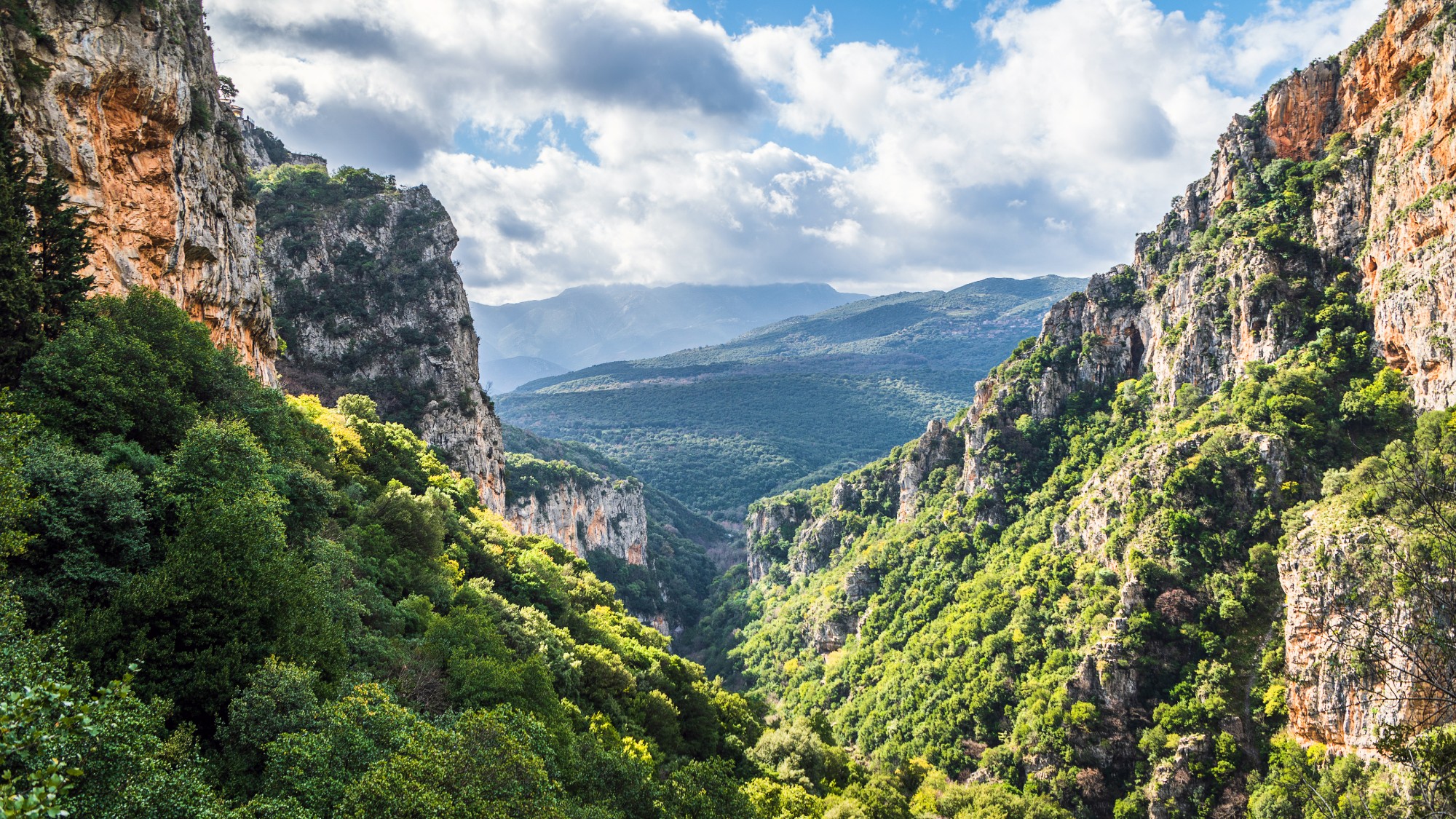
The heartland of the Peloponnese is Arcadia, a mountainous province of gorges and hills, many precariously topped by medieval towns. In the spring, all is awash with green and swooped by swallows, and the many roads and hiking trails are beautifully edged with flowers.
As we headed for the hills, we stopped at Nemea, renowned for its wine, the lion labouring Hercules was first tasked to kill, and its ancient stadium, where enthusiasts still re-enact its famous Games every four years, running onto the track through the lovingly restored “players’ tunnel”.
We stopped in Dimitsana, a picture-postcard, cobble-streeted town straddling a twin hillside overlooking the Lousios gorge. The stone and wood En Dimitsani hotel has great views and a cabin-style cosiness (there’s a working fireplace in every room for chillier months). It also serves a serious dinner – try the goat spaghetti or beef kontosouvli with a juicy, deep-pink local rosé – and gargantuan breakfasts: we’d fill our boots, snaffle boreks and pastries for lunch and still not make a dent in the spread before us.
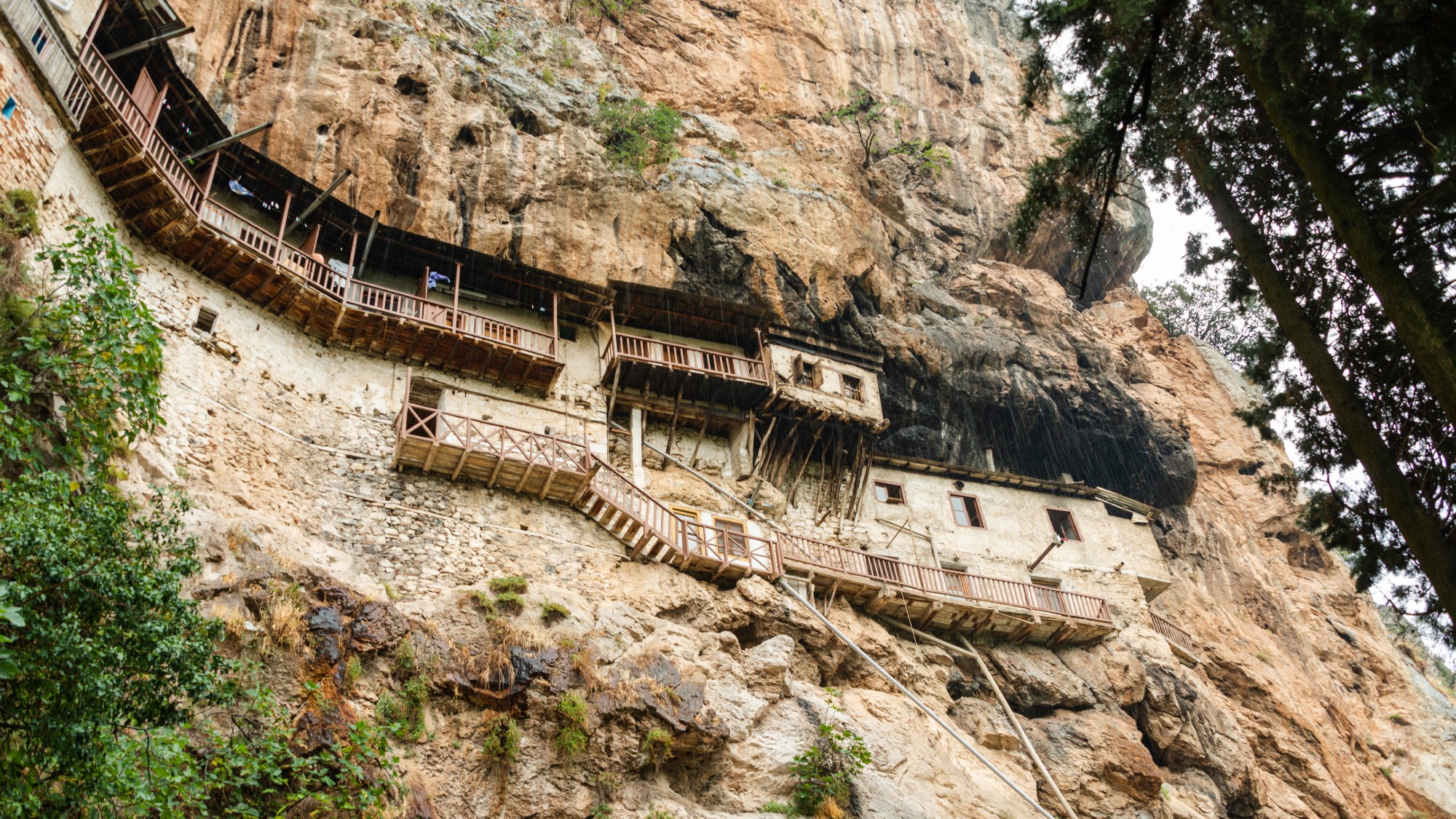
From Dimitsana, you can pick up the Menalon Trail, a well-marked, moderately challenging 75km hiking route that unfurls through the gorge. A landslide had blocked the hike we’d planned past the cliff-hanging Prodhromou monastery. So we walked among blossom and bees along the side of the gorge to Zygovisti instead, where the very friendly owner of the trail-side taverna plied us with mountain tea before the trek back – and the world‘s twistiest, turniest drive (and final walk) to the monastery, which is even more astonishing than it sounds.
Ancient Messene, Kardamyli and the Mani
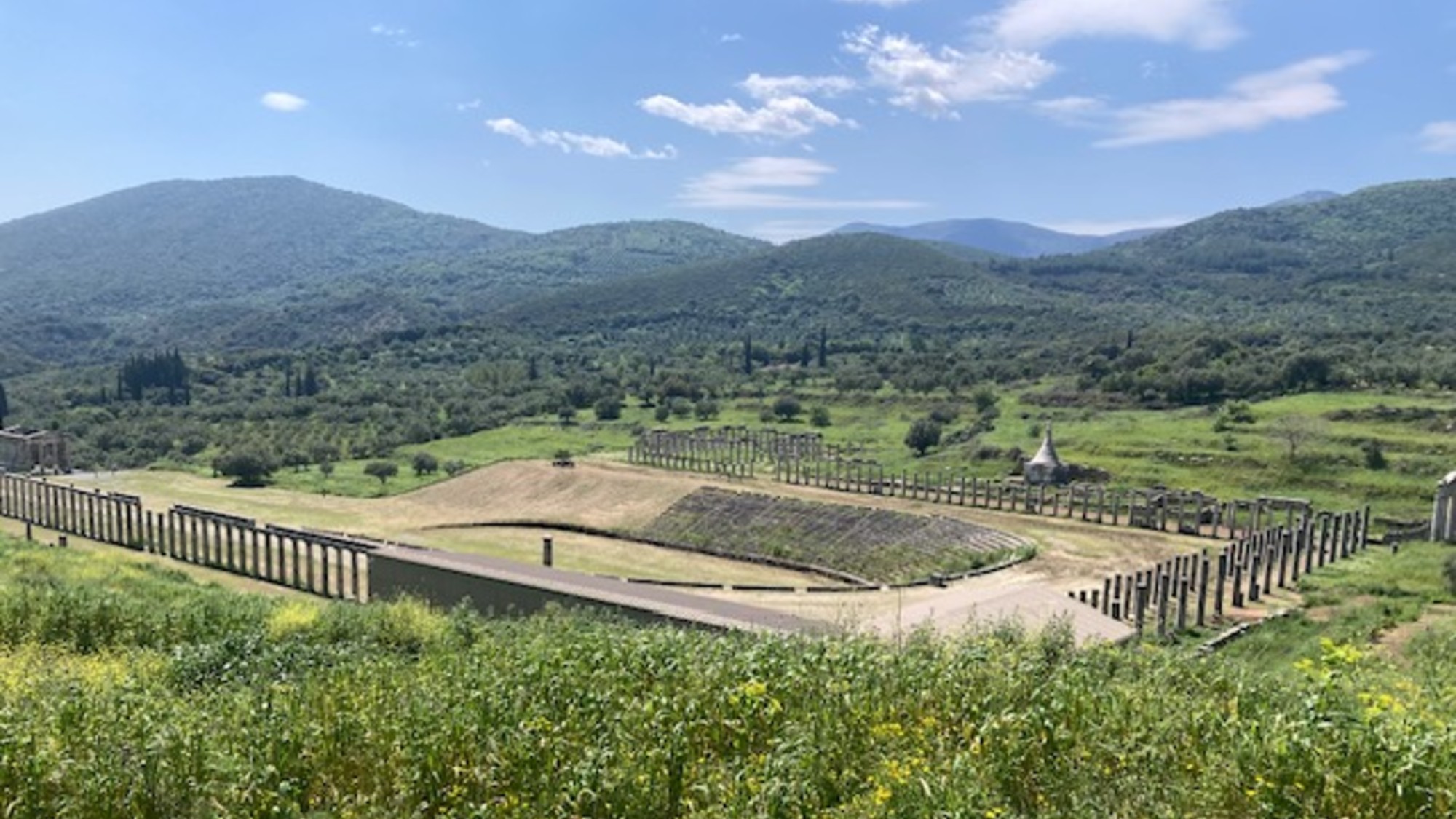
From Arcadia, we drove south, heading towards Kalamata, and its famous olives, and the southern tip of the peninsula. Ninety minutes outside Kalamata are the gobsmacking remains of Ancient Messene, founded in 369BC after the final defeat of Sparta. You can roam over the huge, poppy-dappled 400-acre site, untroubled by tourist coach parties. There’s a vast agora, a theatre, an amphitheatre, several temples and then, through an olive grove, the colonnaded entrance to a vast stadium and gymnasium (pictured above). You’ll need to bring a hat (no shade) and plenty of water (no services) but you’ll leave with your flabber well and truly gasted.
Beyond Kalamata, we stayed just outside the beautiful, pebble-beached village of Kardamyli at the charming Kalamitsi Hotel, right next door to the house of British writer and WWII hero of the Greek resistance, Patrick Leigh Fermor. Simple rooms and studios look over an orchard of orange, lemon and olive trees that leads, down a stone staircase, to a small private beach. From Kardamyli itself, you can hike up to the hamlet of Exohori along paths dotted with wildflowers (we spotted orchids) and then scramble down the white rocks of the dry Vyros gorge. Then, as the sun goes down, feast on tomato fritters, roast aubergine, and hard cheese and honey in the open courtyard of the restaurant in the ruins of the old part of town.
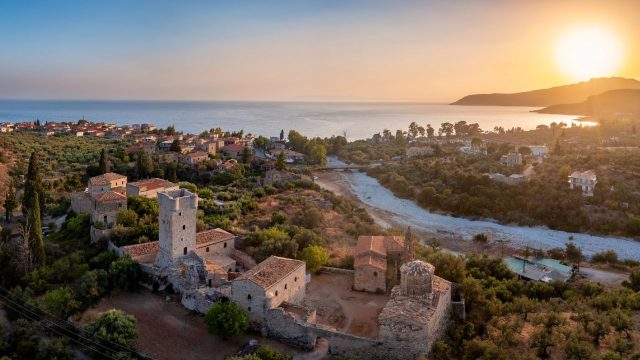
From there to the gates of hell – and the literal end of the road. The onward drive south takes you deep into Mani country, where (strictly male-only) blood feuds were fought with elaborate tradition from specially built towers – many of which still dot the hills. You could stop to drift in a gondola through the stalactites and stalagmites of the Diros caves; you definitely should stop to admire the clutch of Maniot towers in the (almost) abandoned village of Vathia. And, when the beautiful coastal road comes to an end at a temple to Poseidon, you can walk over the hills (and the mosaic floor of a Roman villa) to the cave portal to Hades (mercifully closed) and, with the sea on both sides, stand at the lighthouse on the southernmost point of mainland Europe.
Helen travelled to the Peloponnese with Sunvil/GIC The Villa Collection
From stunning ancient ruins to huge mountain gorges and eerie medieval towers