
There are more than two billion children and adolescents in the world today, each with their own dreams, struggles and vision for the future. Whether those futures are realised depends, more than we often acknowledge, on their mental health.
Mental health is the cornerstone of a child’s ability to learn, connect and navigate life’s challenges, and eventually to step into their full potential. Yet, as the world emerged from the Covid-19 pandemic and the mental health crisis among children and youth gained renewed attention, dedicated investment in and resourcing of mental health systems have been lacking.
Our current era of financial, social, digital and political instability threatens the progress that has been made to date. As we face unprecedented and intensifying global crises, the urgency of addressing this priority has never been greater.
Like any global crisis, however, it is easier to understand the implications of poor mental health at a local level. Many children and adolescents in South Africa must navigate significant and persistent risks to their mental health and well-being as they come of age. Overburdened school systems, exposure to violence, family instability and uncertainty about the future all contribute to a sense of hopelessness and unease.
These factors may soon be worsened by rapidly changing digital environments. Most children in South Africa face not just one, but multiple stressors that shape how they see the world, how safe they feel and how they envision adult life.

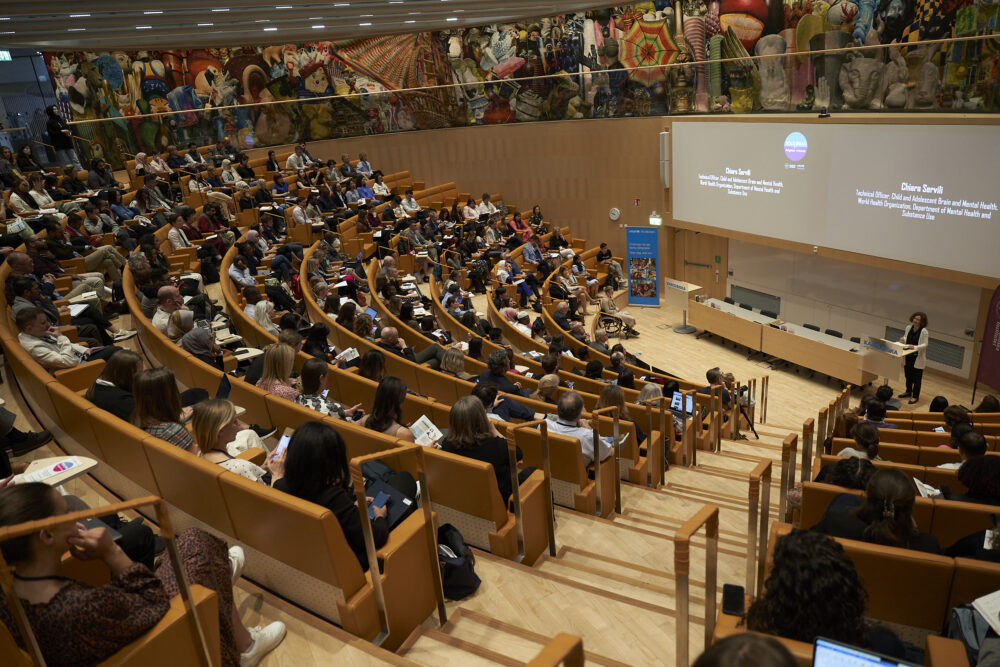
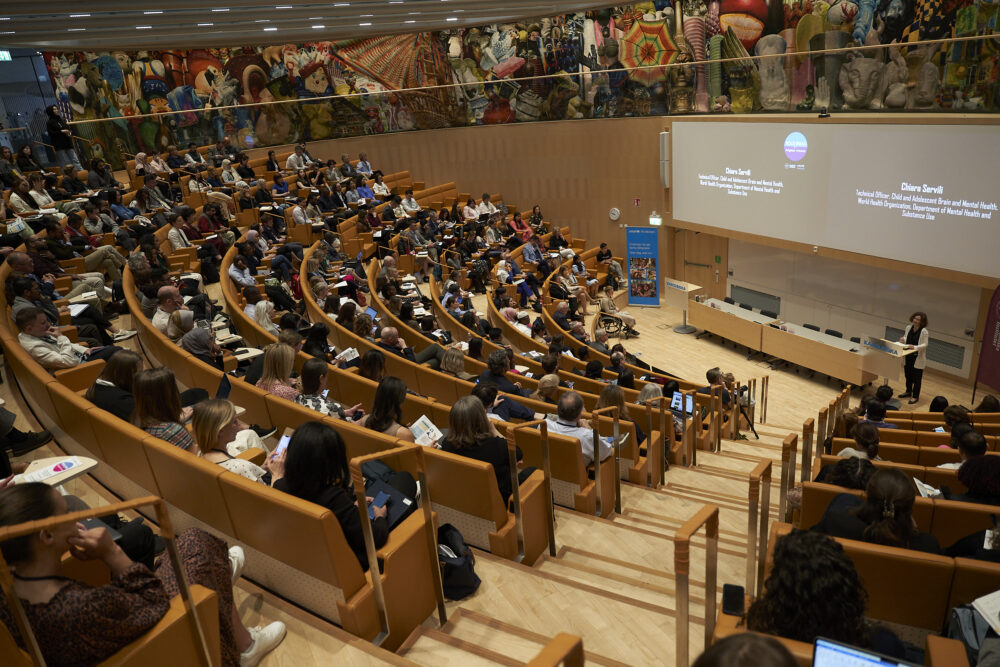
The Bold Ideas for Brighter Futures Conference, convening in Cape Town from today, 18 May, to Wednesday, 20 May, attempts to respond to the risks facing young people, but more importantly to listen to them and share possible solutions. The conference’s key themes include exploring mental health in humanitarian crises, creative approaches in schools and communities, scaling up evidence-based approaches, generating responsible data on children and adolescents and, perhaps most importantly, ensuring meaningful youth participation in programming, research and intervention.
This global gathering, sponsored by the Institute for Life Course Health Research, Unicef and Karolinska Institutet in Sweden, will focus on evidence and strategies for mental health promotion and prevention. The nearly 400 delegates hail from 47 countries and about 70% are from low- and middle-income countries, reflecting the urgency of mental health support for younger populations in the majority world, including Africa, Latin America, Asia and the Middle East.
While one in seven adolescents globally is estimated to be living with a mental health disorder, many more exist along a broader spectrum of mental health needs, which may ebb and flow depending on the life events they experience, their ability to cope and their circle of support. Because specialist mental health providers for children and youth are scarce in South Africa — and even more so in other parts of the continent — training pathways need to be urgently expanded to ensure that young people with mental health disorders can realise their right to access the care they need.
At the same time, solutions that bolster mental health for broader child and adolescent populations are vital in the form of tools and strategies that support mental health and well-being.
So what might these solutions look like?
Centring interventions on the places where children and adolescents spend their time, and the people on whom they rely for support, guidance and care, is a key starting point.
When we talk about addressing child and adolescent mental health, we need to remember that children and adolescents are part of families, schools and communities and that these are usually the most important entry points for support and sustained engagement. Relational approaches, in particular, are foundational to any mental health response. During adolescence — a critical developmental stage that can often set the course for later-life successes or adversities — having a supportive adult may make the difference between flourishing and faltering.
Increasingly, we are seeing that psychological and social tools such as problem-solving, emotional regulation and interpersonal skills training can be strengthened by play, sport and the arts; by building supportive networks of care; and by creating opportunities for young people to lead.
Solutions also need to draw on what is working in both research and grassroots spaces. Mental health interventions grounded in evidence have been found to be less effective when they are not well tailored to populations, places and specific needs. Grassroots programmes may accurately identify the issues but lack evidence to demonstrate their impact over time. These programmes need to work together to fulfil the potential for sustained change.
Youth voices are also a critical part of this story. Programmes often fail to engage adequately with young people themselves — to hear their voices, allow them to inform programming and share leadership roles. The most effective solutions to tackle deep-rooted challenges in child and adolescent mental health can begin with a simple framework: providing opportunities for listening, connection and care.
As part of our approach to designing and running the Bold Ideas for Brighter Futures Conference, we have tried to centre youth voices. The global Youth Advisory Board, which informed the design and implementation of the conference in distinct ways, will close the conference by launching its Youth Manifesto — a call to action for the mental health of children and adolescents everywhere. The board calls on governments and policymakers to “move beyond short-term, fragmented initiatives and invest in comprehensive, long-term mental health systems that are accessible, inclusive and responsive to young people’s needs”.
Many organisations are already doing this work exceptionally well in communities across South Africa, and building momentum will depend on harnessing their knowledge while generating political will and shaping future research and policy agendas.
Today’s children and adolescents are stepping into a world of great uncertainty, but also great potential. They will rely on bold ideas, determined leadership and meaningful collaboration to pave the way to a brighter future in which they can make their own mark.


Christina Laurenzi is an associate professor at the Institute for Life Course Health Research in the department of global health at Stellenbosch University. She is also the chair of the 2026 Bold Ideas for Brighter Futures Conference.
The Bold Ideas for Brighter Futures Conference, convening in Cape Town from 18 to 20 May, attempts to respond to the risks facing young people, but more importantly to listen to them and share possible solutions