
The collapse of an industry rarely happens all at once. It unfolds slowly, through shrinking teams, empty desks, farewell emails, disappearing publications and journalists quietly wondering what comes next.
The quiet devastation sits at the heart of The Devil Wears Prada 2. Beneath the impeccable tailoring, dazzling fashion and cinematic beauty, the film reveals itself as something unexpectedly tender and unsettling: a story about media workers trying to survive the erosion of the world they once built their lives around.
What makes the film resonate so deeply now is not simply its fashion, though the fashion remains exquisite. It is the way it mirrors the current state of journalism globally.
From the beginning, the film positions its characters inside uncertainty. Andy Sachs, played by Anne Hathaway, returns not as the wide-eyed graduate audiences once knew but as someone carrying the weight of experience. She and her colleagues suddenly find themselves unemployed, untethered and without any clear sense of where to go next.
The future does not appear exciting. It appears frightening.
That emotional reality feels painfully familiar.
Across the world, newsrooms continue to shrink while journalists are expected to produce more than ever before.
Careers once considered stable now feel temporary. People who spent years building identities around storytelling suddenly have to reinvent themselves in economies that no longer seem to value the work they do.
South African audiences understand this intimately.
The closure of City Press was not simply the shutting down of a newspaper. It represented the loss of jobs, institutional memory and a cultural archive that documented South African life for decades.
Journalists, editors, photographers and designers suddenly found themselves confronting uncertainty many had spent years trying to avoid.
Watching The Devil Wears Prada 2 through this lens transforms the film into something much heavier than a stylish sequel. It becomes a reflection of an industry in mourning.
The film understands that journalism is never just work. It becomes a language through which people understand themselves and the world around them. When those spaces collapse, people are not merely losing salaries.
They are losing routines, communities, purpose and in many cases, versions of themselves.
Visually, the movie remains breathtaking. Every frame feels carefully composed. The cinematography leans into elegance without becoming sterile. New York glows but beneath that glow sits exhaustion. Offices feel colder now.
Hallways that once buzzed with urgency carry a quieter tension. Even the fashion tells a different story this time around.
Clothing no longer functions only as aspiration or spectacle. It becomes protection.
Characters dress with precision, almost defensively, as though maintaining appearances is the only thing keeping everything from falling apart.
The costume design reflects the emotional architecture of the film beautifully. Nothing feels accidental.

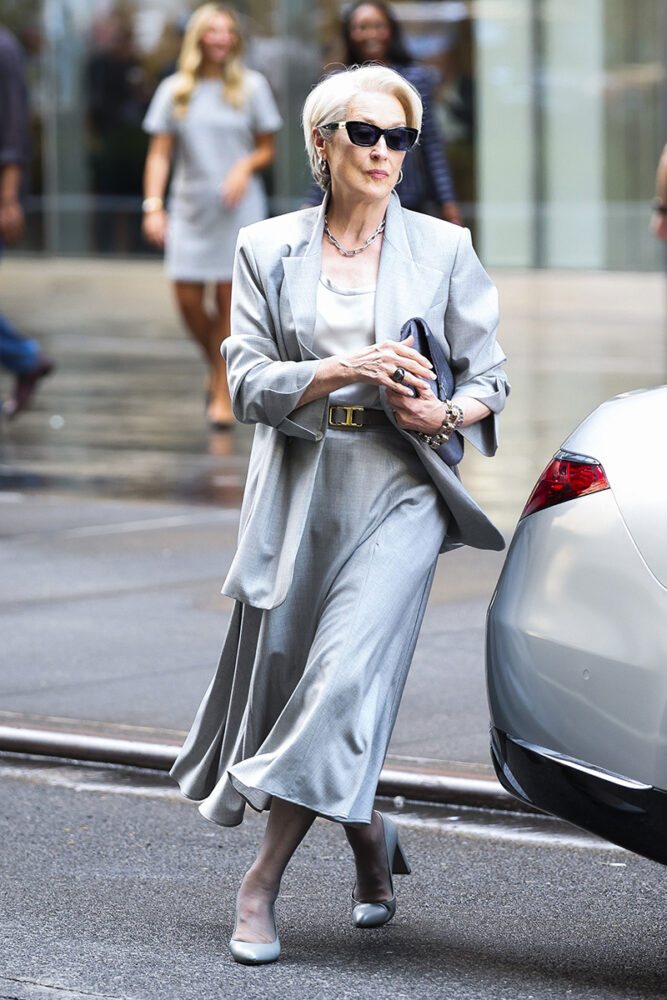
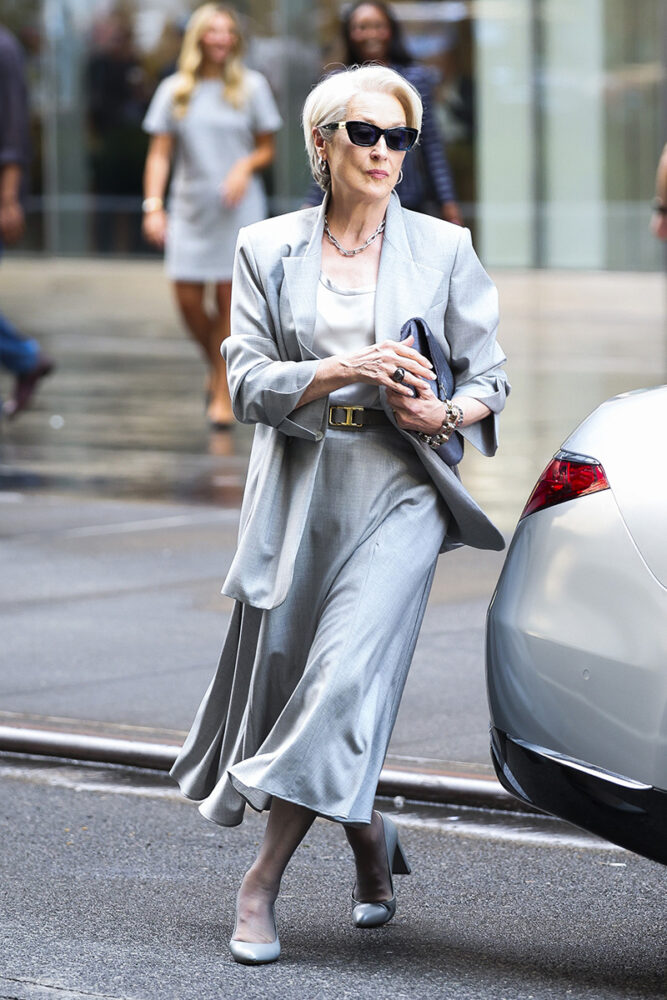
Miranda Priestly, once again portrayed with extraordinary control by Meryl Streep, remains magnetic. Yet beneath her sharpness sits something more fragile now.
She understands the changing landscape better than anyone else around her. She knows legacy publications are struggling. She knows audiences consume media differently. She knows prestige no longer guarantees survival.
What makes Miranda compelling is not her cruelty but her awareness.
She sees the collapse coming before everyone else does.
Throughout the film, conversations around relevance, readership, digital strategy and financial sustainability hover constantly in the background. The glamour begins to crack under the pressure of economic reality. Meetings feel tense. Decisions feel desperate. People speak carefully because everyone understands how precarious things have become.
That atmosphere feels strikingly current.
Modern journalism often demands impossible things from its workers. Journalists are expected to write, edit video, maintain social media presence, produce newsletters, build personal brands and remain constantly visible online while delivering meaningful work.
Burnout has become embedded in media culture itself.
The Devil Wears Prada 2 captures that exhaustion with surprising sensitivity.
Andy’s character arc particularly reflects the emotional fatigue many media workers currently carry. Anne Hathaway plays her with restraint, allowing silence and small gestures to communicate disappointment, resilience and uncertainty.
She no longer chases ambition with the same innocence. The industry has changed her. Experience has changed her.
That maturity gives the film emotional depth the original could never fully access.
The original film explored the sacrifices attached to ambition. The sequel shifts the question entirely. The issue is not simply whether success is worth personal compromise.
The question becomes much more urgent: How do people continue surviving inside industries that are actively collapsing around them?
That shift makes the film feel emotionally contemporary.
For South African journalists especially, many scenes land with uncomfortable familiarity. Watching characters scramble to imagine futures beyond publications they once believed would exist forever feels almost too close to reality.
One cannot help but think about colleagues who suddenly found themselves unemployed after newsroom closures, forced to navigate freelance work, unstable contracts or entirely different careers.
Reinvention is often spoken about romantically within creative industries but the film understands how brutal it can feel. Starting over requires emotional and financial resources many people simply do not have. The movie refuses to simplify that reality.

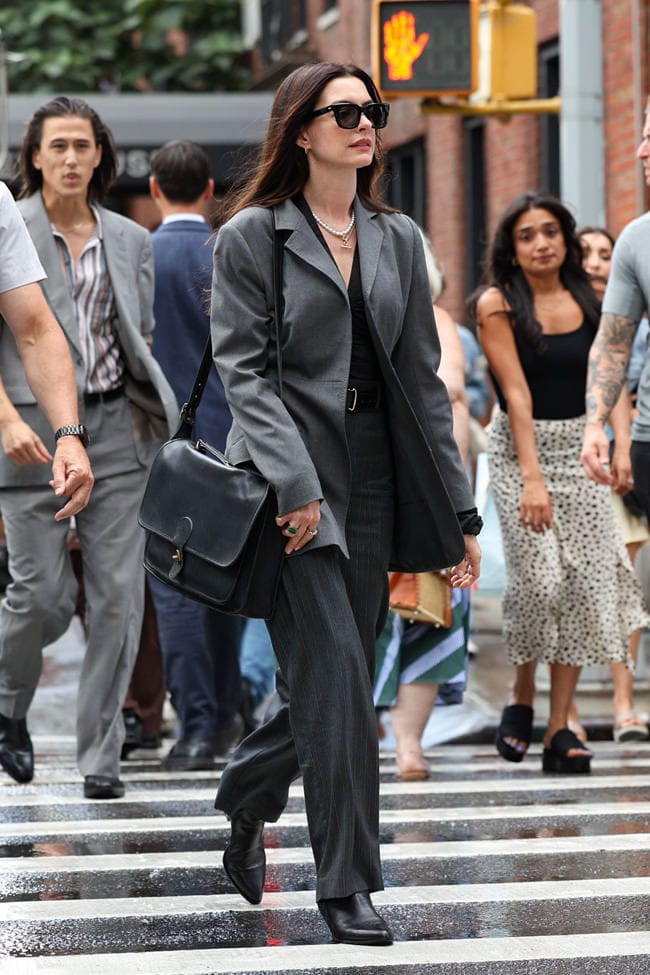
Yet despite the heaviness of its themes, The Devil Wears Prada 2 never loses its visual pleasure. The fashion remains extraordinary. The coats, tailoring, textures and colour palettes all contribute to the emotional storytelling. The film understands that beauty and grief often exist side by side. Perhaps that is why it works so well.
The movie resists nostalgia. It does not attempt to recreate the original’s magic without interrogating what happened to the publishing world afterwards. Instead, it confronts decline directly. It asks what becomes of cultural institutions when profit margins matter more than storytelling. It asks what happens to workers when industries begin treating experience and depth as expendable.
Most importantly, it asks what remains after the collapse.
The answer, quietly, is people.
People trying to tell stories. People attempting to create meaning even as the structures surrounding them disappear. Journalists continue writing despite shrinking budgets, unstable employment and public distrust because storytelling itself matters. The film understands that persistence intimately.
Seeing these characters older also adds emotional richness to the story. Time has changed them. Some dreams materialised while others dissolved completely. Relationships shifted. Careers evolved. The film allows its characters to age naturally, without pretending that ambition alone protects people from disappointment.
That honesty becomes the film’s greatest strength.
Not every narrative thread lands perfectly and at times the pacing struggles beneath the weight of its own ideas. But perhaps that fragmentation mirrors the state of media itself.
Nothing feels stable anymore. Everything feels transitional.
Ultimately, The Devil Wears Prada 2 succeeds because it understands that the true drama was never just fashion. The real story has always been labour. Emotional labour. Creative labour.
The invisible work required to sustain industries built on beauty, aspiration and cultural influence.
For viewers connected to journalism, publishing or creative work, the film cuts particularly deep. It recognises a collective anxiety many people have quietly carried for years: the fear that entire careers can disappear while the world simply keeps moving.
The fashion is stunning. The cinematography is exceptional. The performances remain powerful. But what lingers most is the film’s understanding of uncertainty.
Because sometimes the hardest part of losing an industry is not the collapse itself. It is waking up afterwards and trying to figure out who you are without it.
A stylish and emotionally resonant return to ‘The Devil Wears Prada’ universe, the film trades glamour for something far more urgent: a meditation on the collapse of media and the uncertainty facing journalists across the world