
We rarely consider how important the sound of the bass is to a band’s identity… Yet there are no histories recording those vital chains of community.” — Gwen Ansell (2021)
We don’t often talk about bass players when we tell the story of South African music.
We talk about singers and bandleaders. But beneath those histories runs a quieter lineage, one that reverberates through rehearsal rooms, studios and illegal clubs. It is a lineage carried in the low frequencies. These chains of community can be heard in a generation of Soweto bassists who, during the height of apartheid, helped build a distinctly South African Afro-fusion language.
This story must begin outside Soweto, with the godfather of South African electric bass, Joseph Makwela.
As the bassist behind Mahlathini and the Mahotella Queens, he helped define the electrified sound of neo-mbaqanga. His bass lines were cyclical, melodic and powerful, echoing mbube voices and traditional bows on the electric instrument.
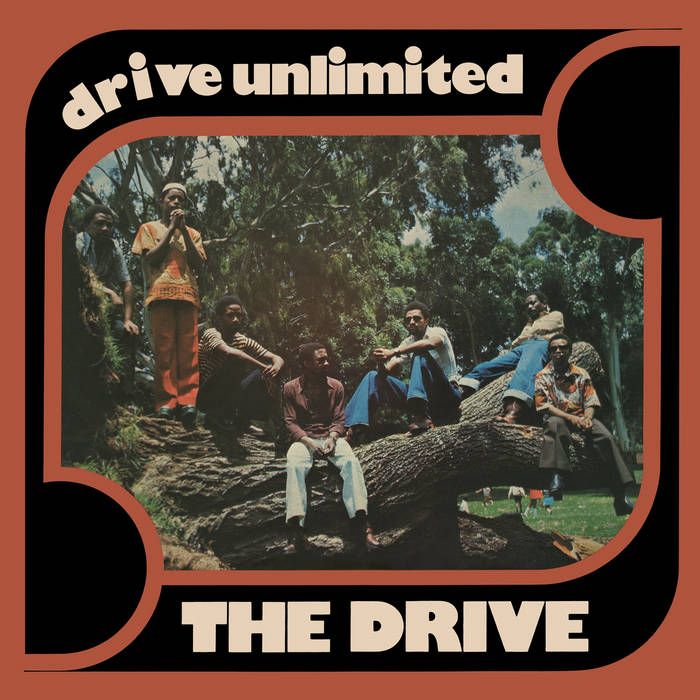
The generation that followed did not reject this approach; they stretched it. Tony Sauli and The Drive were among the first to blend neo-mbaqanga with soul and jazz.
By the mid-1970s, a new cohort of bassists had formed around Johannesburg’s performance circuits. Places like Dorkay House and the Pelican nightclub became informal conservatories.
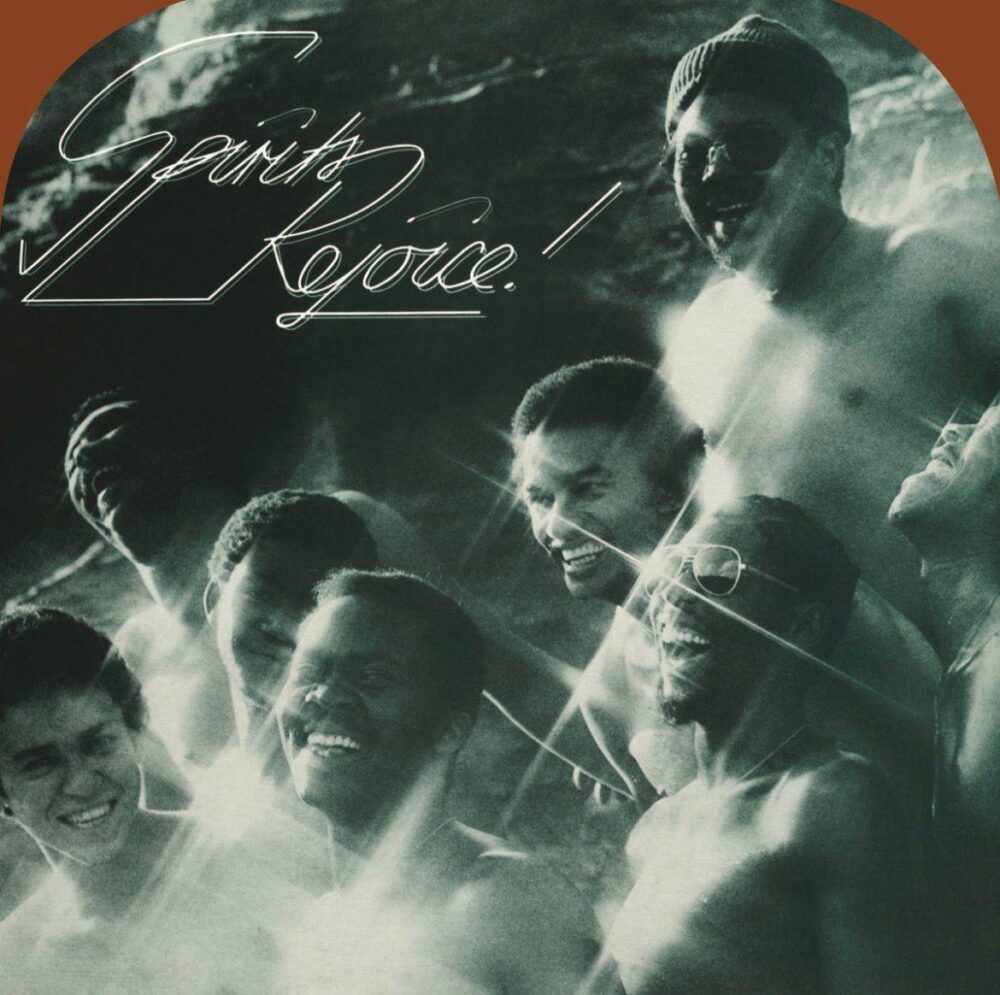
Upon arriving at Dorkay House, drummer Vusi Khumalo recalled, “now I know that, ok, all the hip guys are here”. In this environment, a young Sipho Gumede emerged as a central figure. With Duke Makasi and a young Bheki Mseleku in Spirits Rejoice, Gumede helped craft one of the first fully realised South African jazz-fusion sounds.
The music kept local grooves but stretched them into open, improvisational forms. For this generation, the bass was no longer just a supporting instrument. As saxophonist Khaya Mahlangu put it, Gumede “transcended that barrier” of the bass as mere accompaniment.
This approach developed further in Sakhile, a group that consciously pursued an Afrocentric fusion aesthetic. The band combined jazz harmony, funk rhythms and traditional melodic sensibilities but from self-definition rather than imitation.
“It wasn’t just about the music,” Mahlangu explained. “It was about projecting the African image in a very positive light.”
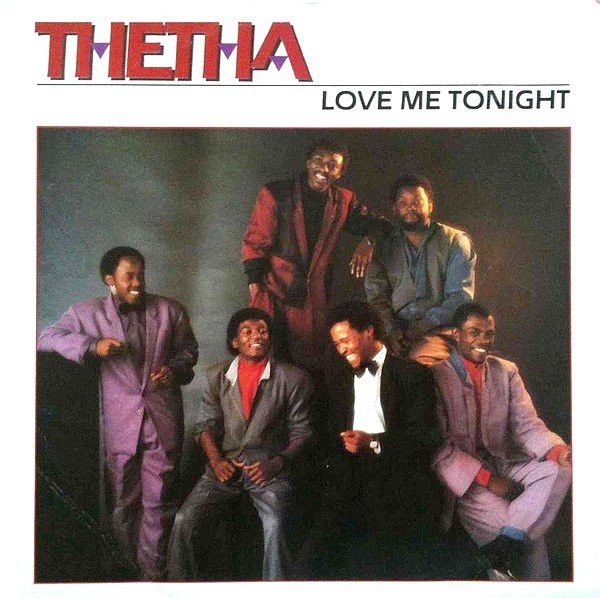
Other bassists from the same circuits carried this language in different directions. Bakithi Kumalo’s work with Thetha and later Sankomota reflected a more pop-oriented, melodic approach. But for him, the Afro-fusion movement was not about copying American jazz.
“We did what we had to do with the Western support,” he said. “But for us, we were not sold to jazz. And for me, I was against that.”
Kumalo’s pursuit of a more genuine sound ironically led him to Paul Simon, a successful career in New York and moving away from South Africa in the late 1980s.



These players also influenced one another directly. Kumalo may never have continued to hone his iconic fretless sound without Gumede’s encouragement.
Fana Zulu directly learned from Kumalo and Mahlangu. Kumalo remembers Makwela’s kindness in Gallo’s studio “I always talked to him about how he was playing. He was playing with a pick. And I tried to play with a pick…but my tone was horrible.” Kumalo’s mentee Zulu’s story shows how direct these lineages were.
As a young bassist, he was invited to replace Gumede in Sakhile. He hesitated. “Khaya, I won’t be able to play that kind of music,” he told Mahlangu. Mahlangu replied: “Fana, it’s not about that. We will teach you. Everything is possible.”
Zulu moved in with Mahlangu and began his apprenticeship. “I didn’t know anything about theory,” he recalled. “Khaya said, ‘You have to buy a manuscript, pencil and an eraser. I’ll teach you.’” This is how the Soweto musicianship functioned: through mentorship, rehearsal rooms and bandstands.
The influences around them were wide-ranging. As Mahlangu remembered, it was the first generation to grow up listening to “rock, funk, fusion, disco, jazz, mbaqanga, kwela and traditional music.” In the clubs, “everybody wanted to be Stanley Clarke… wanted to be Jaco.”
These influences were absorbed into a local sound, not simply reproduced. The result was a fusion language rooted in township groove. Before and after the 1976 Soweto uprising, they were the musical custodians of Steve Biko’s Black Consciousness.
By the late 1980s, this experimental approach had laid the groundwork for bubblegum. Bassist David Mabaso translated fusion techniques into tighter electronic formats. When kwaito emerged in the early 1990s, its slowed-down bass grooves carried clear traces of this lineage, with figures like Don Laka bridging the scenes.
Through interviews, transcriptions and study, it becomes clear that this music developed from a non-hierarchical, anti-colonial view of local and international influences. It was a musical culture rooted in mentorship, exchange and confidence in local sound worlds.
These above stories and examples are to exemplify the many other musicians who played vital roles in this interconnected lineage.
The story of South African jazz-fusion is incomplete without the bassists whose innovations quietly carried the music forward