
Allbirds is making a complete heel turn. Last week, the sinking sneaker brand announced its pivot to AI.
Many are skeptical that the fast-fashion shoe brand will be able to make such a big switch in entering the convoluted tech space. But Allbirds is just the latest in a long list of companies that got their start in one industry, then changed to something very different.
Android
Android cell phones have become as ubiquitous as iPhones in modern years, but the company didn’t start out in the phone game. The brand was launched in 2003, originally “conceived as an operating system for digital cameras,” said software development company Velvetech. By the time Android got up and running, the “market for digital cameras significantly fell,” whereas the “mobile device market was constantly growing.”
The company was forced to pivot to stay alive, and began producing an operating system with more widespread uses. It is now used “primarily for mobile devices such as smartphones, tablets, smartwatches and other wearable devices,” said IT brand Spiceworks.
Nintendo
Nintendo has always made games, but probably not the kind you’re thinking of. The company was started in 1889 when its founder, Fusajiro Yamauchi, began producing Japanese playing cards called Hanafuda in Kyoto. By 1902, Yamauchi “started manufacturing the first Western-style playing cards in Japan,” said Nintendo’s website. The company began growing in size throughout the mid-20th century.
By the 1970s, Nintendo realized it had to make a change to keep up with the times, and in 1975 “began the development of its first electronic video game systems,” said BBC News. In 1978, Nintendo “produced a computer game version of the board game Othello,” and has since been responsible for producing some of the most iconic video games franchises of all time, including Mario, The Legend of Zelda and Donkey Kong.
Nokia
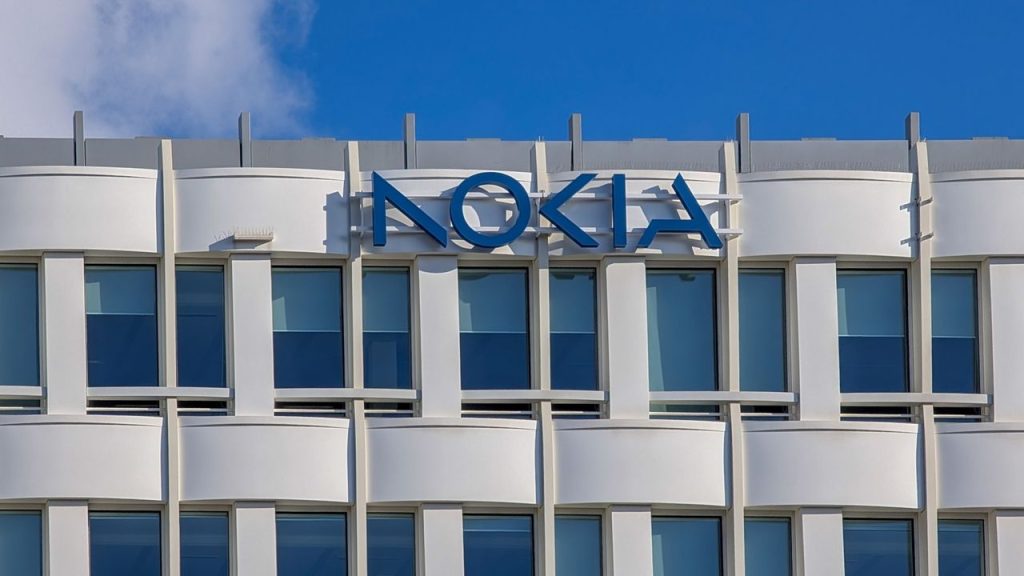
Nokia has made perhaps the biggest one-eighty of the companies on this list. While known today for its industrial-strength cell phones, the company started in the 1860s as something wholly different: a wood pulp mill in Finland. This mill was the first step in the mass production of paper. The modern company was eventually formed as a “merger between the Nokia Company (paper), Finnish Rubber Works and Finnish Cable Works in 1867,” said the Crypto Museum, a Dutch virtual museum.
Prior to its eventual focus on cell phones, Nokia became a bit of an everything brand. It has been “involved in the production of paper, rubber, electricity, car and bicycle tires, footwear, communication cables, television sets, consumer electronics, personal computers, robotics, capacitors, plastics, aluminium, chemicals, mobile phones and last but not least: military communications equipment,” said the Crypto Museum.
Slack
Slack is used today as a business-to-business chat tool by numerous companies and industries. Yet it originated in the 2010s as an “internal communication tool” for the “quirky online multiplayer game Glitch,” said Encyclopedia Britannica. The video game garnered positive reviews but its “creators found the game to be expensive and unwieldy.” They soon started looking for alternative ways to implement the technology.
This arrived in the form of a rebrand: Slack, a “provider of a messaging tool for facilitating workplace communication, an ‘email killer’ and the ultimate collaboration app,” said TechCrunch. Today, Slack is “used by more than 100,000 organizations, including 77 of the Fortune 100 companies, demonstrating the network effect of a mature and innovative product,” according to the company itself.
Volkswagen
Volkswagen has always sold cars. But in this case, it’s the company’s history that represents a major redirect. The brand is well-known for its associations with the Nazis during World War II: In 1937, Adolf Hitler’s party “founded a state-owned company that was later named Volkswagen, or ‘The People’s Car Company,’” said NPR. Volkswagen leadership would eventually disavow its Nazi ties.
The pivot came in modern times, as Volkswagen shifted from supporting antisemitic Nazi Germany to negotiating weapons deals with the state of Israel. In a tinge of irony, Volkswagen, which “produced parts using forced labor for V-1 cruise missiles used by the Wehrmacht during World War II, may soon be manufacturing parts for an Israeli-designed missile defense system,” said Haaretz.
YouTube
YouTube is best known as the video platform where you can watch just about any kind of video. But it was originally started in 2004 by three PayPal employees who had an “idea for a website for users to upload video dating profiles,” said Business Insider. The company was even trademarked on Valentine’s Day. As a dating site, YouTube “attracted little interest, forcing the cofounder to take out ads paying women $20 to upload dating videos.”
Then people began “uploading videos of all kinds to YouTube,” said Business Insider, and the website took off as a general platform. Today, over “20 million videos are uploaded daily” on YouTube, with an estimated 20 billion total videos on the site, the company said.
Allbirds is the latest company to switch up its entire business plan