
The US Supreme Court has finally stood up to President Trump, said David Frum in The Atlantic. Last week, it quite rightly struck down the tariffs that have been the signature initiative of his presidency. “A tariff is a tax.” A president who imposes them without Congress’s permission is “on his way to becoming a tyrant”.
‘Lashing out’
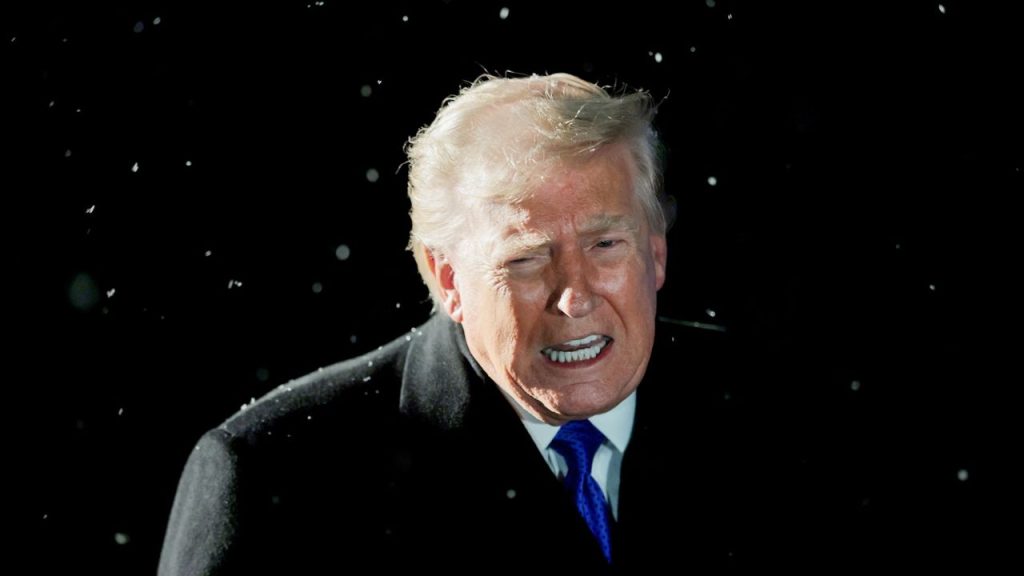
The move is “a long-run positive”, said Alan Beattie in the FT, but at the cost of short-term uncertainty all round. After the ruling, the US president behaved like “an enraged toddler lashing out after his favourite toy is taken away”, damning the Supreme Court justices and promising new tariffs.
The “smart play” after the legal defeat would be “to take an off-ramp”, said The Wall Street Journal. Instead, the White House “dusted off Section 122 of the Trade Act of 1974 as a work-around”, enabling Trump to impose tariffs of at least 10% across the board for up to 150 days (possibly rising to 15%). What happens after that is anyone’s guess, bar the prospect of an “unending Trump tariff mess”.
“Certain trading partners don’t look too clever right now,” said Beattie: principally the UK, whose 10% early deal with Trump may now be redundant. On the other hand, it was “an excellent day” for America’s most defiant partners, China and Brazil, whose imports to the US will now cost much less.
Endless litigation
The ruling certainly gives Beijing “a stronger hand” ahead of forthcoming high-stakes talks with Trump, said DealBook in The New York Times: “any decision that removes a tactical weapon from the Trump administration’s hand is welcome news in Beijing”. Potential refunds are another big issue.
Companies such as Costco, Toyota, Goodyear and Alcoa have already sought to reclaim levies; others will follow. Indeed, some economists reckon “a refund windfall” could kickstart “a huge economic stimulus”. Up to $175 billion is on the table, said Irwin Stelzer in The Sunday Times. But Trump is defiant – promising endless litigation for those claiming the tariffs back. The real winners in all this are lawyers.
Whether or not the refunds get paid, there are huge financial implications to this ruling, said Bloomberg. The US government’s fiscal calculations – already dubious – “have now been torn up”. Even the most “expansive” alternative measures are unlikely to bridge the $250 billion a year in expected tariff revenues. If Trump’s efforts to reimpose tariffs by other means are rejected by the Supreme Court – a clear possibility – who knows what he might do to intimidate the justices? In a worst-case scenario, Trump’s setback might become “a fiscal emergency (real, not imagined), an economic body blow and a constitutional crisis all in one”.
The decision is a vindication for the rule of law, but Donald Trump will not take the verdict lying down