
What happened
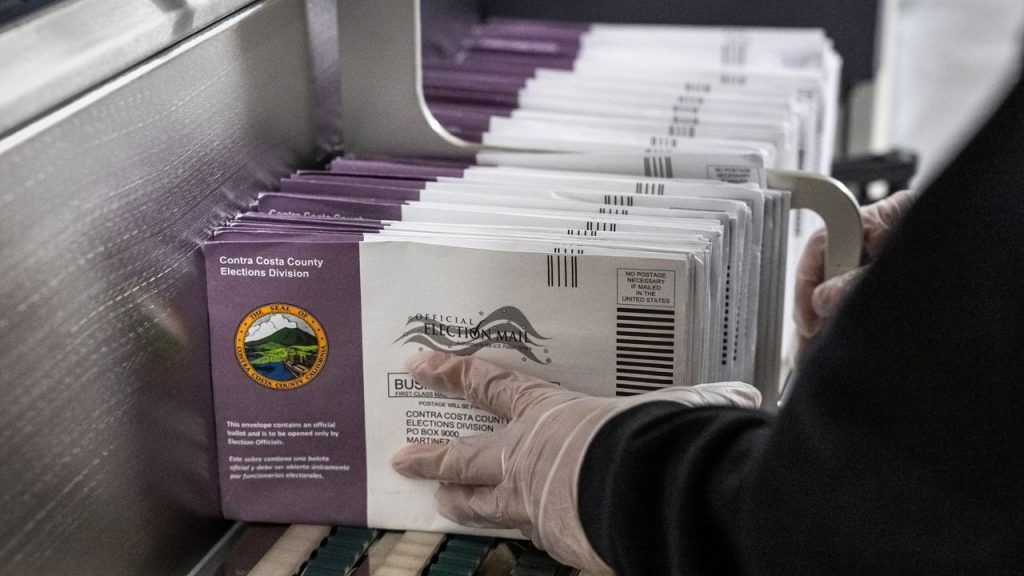
The Supreme Court’s conservative majority on Monday overturned a federal judge’s block of President Donald Trump’s executive order to restrict mail-in voting and make other election changes. The 6-3 emergency ruling was on procedural grounds and did not address the constitutionality of Trump’s order, much of which is still blocked through a different injunction from the same federal judge in Boston, Indira Talwani. The U.S. Postal Service issued a final rule late last week confirming that, if the courts allow, it would refuse to deliver mail ballots in states that did not comply with Trump’s order.
Who said what
The Supreme Court ruling “means the administration can move ahead with planning for restricting the use of mail ballots,” The New York Times said. But it “does not mean that any measure taken by the government to implement the order will necessarily be lawful,” the court’s unsigned majority opinion said. “On that score, time will tell.”
Justice Ketanji Brown Jackson wrote in a dissent that the ruling “needlessly injects chaos and uncertainty” into the upcoming midterms and furthers the court’s “Kafkaesque nightmare” regarding “election-related challenges.” Monday’s ruling “may not lead to a single election procedure changing” before November, The Associated Press said, “but it has already thrown into uncertainty the method that nearly one-third of the country uses to vote,” including Trump himself.
What next?
“Time is running out” for Trump’s voting changes, the AP said. After the first mail ballots are sent from North Carolina on Sept. 4, it “would be virtually impossible for all states” to fully comply.
The three liberal justices on the court dissented