
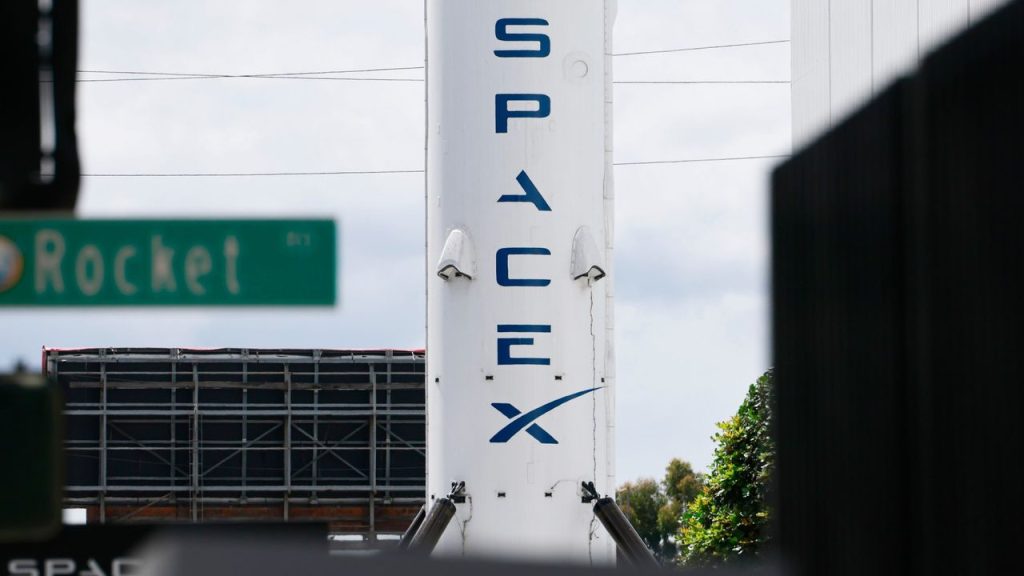
Elon Musk always does things in a big way. The same is true of his plans to take SpaceX public. Reports suggest the rocket company could be valued at as much as $2 trillion, making it one of the largest initial public offerings in market history. How will investors make out?
That could depend on how much they like Musk. SpaceX is earmarking up to 30% of shares for “non-professional, non-institutional investors,” said The Guardian. The company is “banking on the popularity” of Musk to help it raise as much as $75 billion from the stock offering. The so-called “retail” trade by his fans will be a “critical part of this and a bigger part than any IPO in history,” Chief Financial Officer Bret Johnsen told a meeting of bankers on April 6, per Reuters.
The company is more than just rockets. It now includes xAI, Musk’s artificial intelligence company, along with Starlink, Grok and the X social media network. Money raised from the IPO would help SpaceX finance “launching artificial intelligence data centers into orbit, creating a colony on the moon and getting humans to Mars,” said The New York Times. But those are “expensive and unproven” technologies that could take “years and billions of dollars to achieve.”
What did the commentators say?
IPOs “used to fund growth,” Brad Badertscher said at The Conversation. Going public helped “young, cash-strapped companies” like Amazon and Apple get traction, and “much of their dramatic growth happened” happened afterward. These days, most companies “can now raise billions privately” and, like SpaceX, only go public after they have entrenched themselves in the marketplace. Investors are not getting in on the ground floor. Most “explosive growth in corporate value” comes while “companies are still private.”
The SpaceX IPO could “showcase the free market at its best,” Matthew Lynn said at The Washington Post. The company is “pioneering innovative technologies and generating jobs and wealth.” Bringing along ordinary investors might add to those accomplishments. Giving regular people ownership of stocks gives them a “stake in the free market” and makes them “far more likely to support the system.” Musk’s stock offering could convince Americans that “free-market, risk-taking entrepreneurship isn’t such a terrible thing after all.”
A “bumper crop of mega initial public offerings” is expected over the next year, Jonathan Levin said at Bloomberg. History suggests investors should “tread very, very carefully” when evaluating companies like SpaceX, OpenAI and Anthropic. Mega IPOs have “underperformed the market” on average in recent years. But some investors will inevitably decide that Musk’s company and its peers “are in a league of their own.”
What next?
SpaceX “could trade like a meme stock” after the IPO, said MarketWatch. Stocks driven by “social media trends” are often prone to “high trading volumes and price volatility.” The Musk-helmed company “clearly has some of the ingredients” to fit that profile, Roundhill CEO Dave Mazza said to the outlet.
IPOs used to fund growth for young companies. No more.