“Who knows what the Big Five are?” my guide Kets asks as we bounce over sand dunes in Botswana’s Makgadikgadi National Park. “What about the Ugly Five?” he laughs. “And the Tiny Five?” The humour of the safari stereotypes, and the questionable ethics behind them (“The Big Five” aren’t the rarest, but the hardest for hunters to kill) aren’t lost on us. We’ve come to the Makgadikgadi and the Okavango Delta, two less visited regions of Botswana that swiftly reveal there’s much more to this vibrant country than a safari checklist.
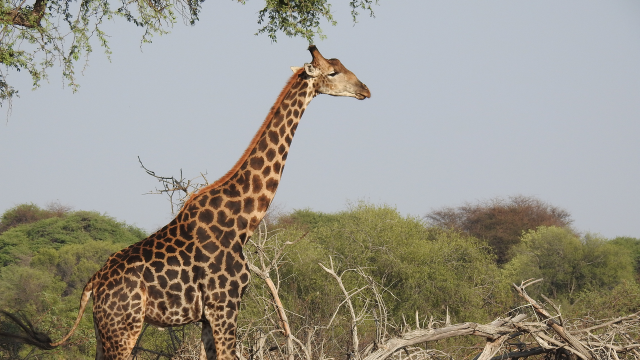
Not to say I don’t have a checklist. I’m as enthralled as the next city slicker to see my first tower of giraffes in the wild. The privilege of seeing these graceful giants without another vehicle in sight was worth the extra flight on Safari Air. The journey is part of the adventure. Our hosts, Desert & Delta – a locally owned and run organisation for over 40 years – run nine lodges in lesser trodden corners of the country.
Migrating zebras and noisy elephants
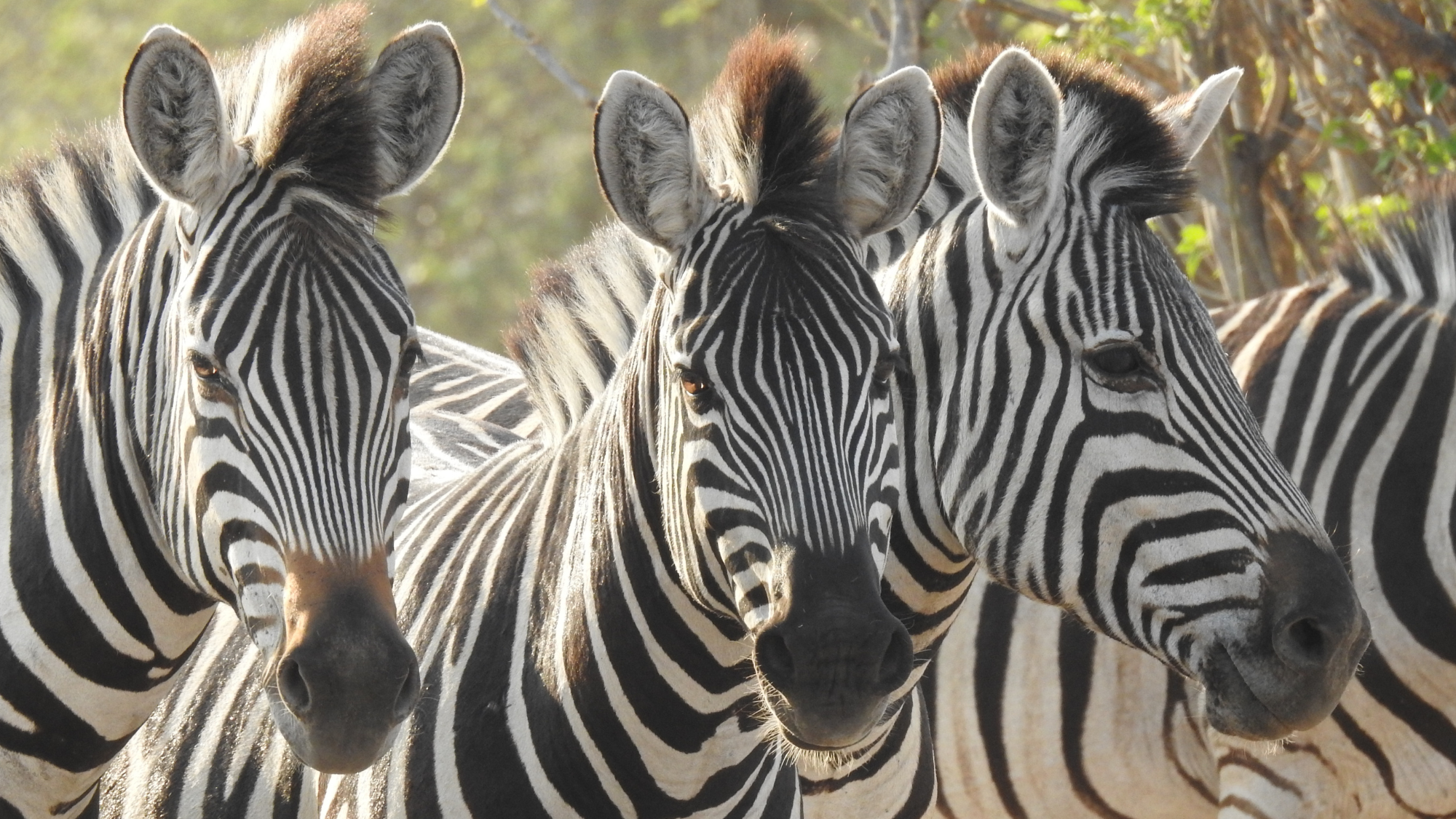
Arriving at Leroo La Tau Lodge, perched on the western flank of Makgadikgadi Pans National Park, brought a cluster of surprises. The bungalows’ protruding balconies give views of thousands of migrating zebras, sauntering around the watering holes in the dried-up river below. The erstwhile Boteti River is now a ravine, as the water flowing through the delta changed direction following a shift in the tectonic plates. It’s the only inland delta in the world and doesn’t lead out to sea, just one fact that makes this lodge feel almost ethereal. The stretch is so laden with animals, herds of noisy elephants, wildebeest and zebra, all passing my bedroom, that we almost don’t need to go on safari but of course we do, bright and early.
Bumping around in our comfortable 4×4 I marvel at Kets’ eyesight. It’s as if he has a sixth sense, pointing out the tiniest of birds and shy steenbok (a small antelope), while the rest of us bop up and down with excitement every time we see an elephant. They may be easy to spot but are never not thrilling. Kets is one of the expert team, led by veteran ranger Metal Matmos, who has worked for Desert & Delta for 17 years. Metal has the answer to everything – whether its the details of our itinerary or what to do when a local leopard makes a late-night appearance. The answer, delivered with signature laugh, was “stay inside” – advice we gladly adhere to while the big cat roars in search of its mate.
Starlit sleepovers and birds of the delta
Leroo La Tau also takes groups out on overnight trips to the Makgadikgadi Salt Pans. Sleeping under the stars on the flats is humbling, no matter how many times you do it. Metal’s been visiting the park for almost two decades and is still enthralled. “I think about theories on the evolution of humankind between enjoying the scenery” he muses.
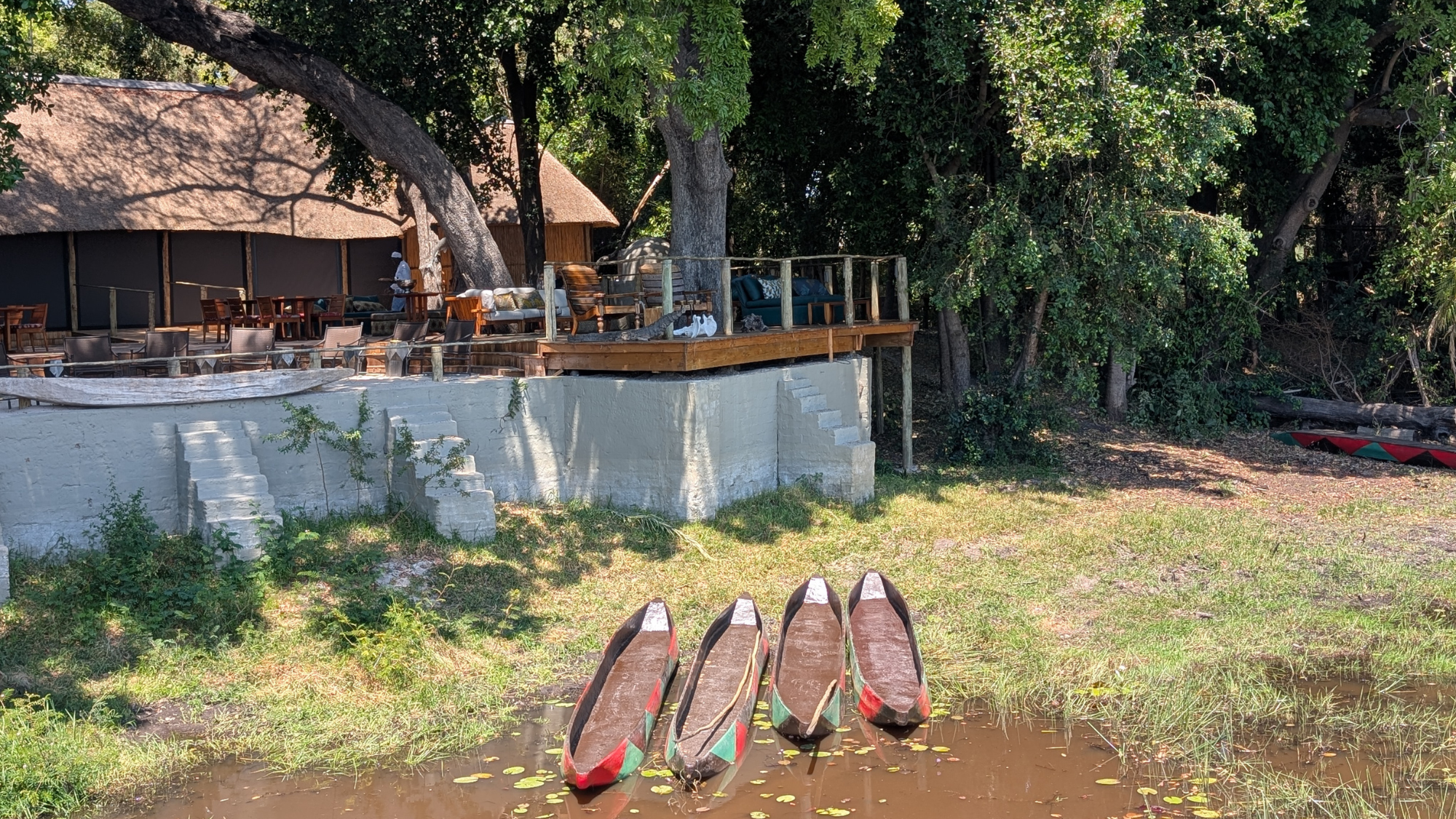
Heading northwest to the verdant Okavango Delta, we disembark from our tiny plane at Shakawe’s landing strip after flying over veins of water running through vast greenery as far as the horizon. The hour-long flight was followed by a lengthy drive in a 4×4 before arriving at our smaller, remote boutique resort, Nxamaseri Island Lodge, built on the banks of the water.
Here the lodge’s rangers transport us on boats, searching for hippos who give themselves away by clusters of bubbles rising to the surface of the bayou. Hippopotamuses, I learn, can stay submerged for five minutes and, despite being herbivores, are responsible for the most human fatalities on safari. I’m slightly unnerved as we float around, engine quietened, looking for a lonely male who we saw in the distance. The hippo finally emerges, parallel to the reeds that cushion the waterways, but he glides away, not keen to socialise, thankfully. I’m glad to get back to my exquisite tent of a room and kick back on my veranda to watch for eagles.
The birds of the delta are a revelation. We spy egret, heron, purple heron, kite, black geese, hamerkop, a kaleidoscope of bee-eaters, malachite kingfishers, white-backed night heron, fish-eating eagles and one Pel’s fishing owl back at the lodge. Fishing trips are also on offer and one of our gang goes out to catch dinner, which is made into delicious fish cakes by the lodge’s excellent chef. This stop at Nxamaseri Island Lodge really cements the rumour I’d heard pre-trip; there’s much more to Botswana than its wildlife.
Magical hiking in the Tsodilo Hills
I didn’t think my jaw could drop more but as a former art historian my highlight comes at the Unesco-listed Tsodilo Hills; four terracotta and copper coloured mountains jutting out of the Kalahari Desert like islands. These hills are the sacred home of a trove of 4,500 ancient cave paintings made by the San people up to 20,000 years ago.
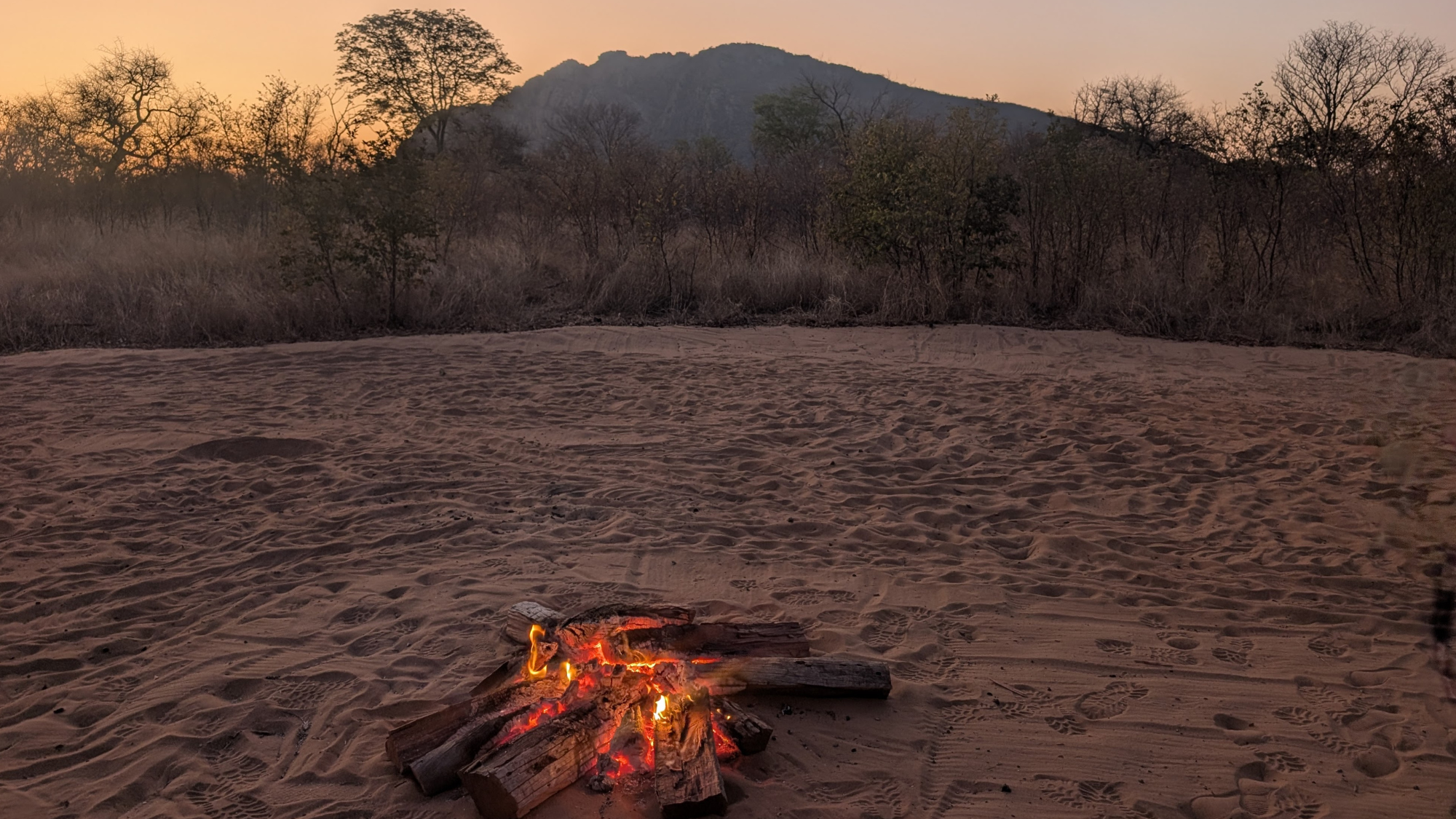
We arrive in the foothills by sunset on the night of a full moon and the San staff and villagers tell us their legends. Descendants of the great cave painters, they perform their folk tales through dance and song; 19 villagers harmonising, clapping and stamping their ancient stories. Shamans in this group believe spirits of ancestors speak to them through the fire, telling them where to go hunting. After an impressive dinner we sleep in small pods, cleverly constructed by Desert & Delta, who are the only company with accommodation here by Tsodilo, meaning we can rise at the same time as the sun to head off for our hike.
The San believe their ancestors’ spirits rest in the hills and as we ascend the paths that loop Tsodilo there’s a palpable atmosphere of reverence. “This is Tsodilo that you’ve been looking for,” whispers Gabo, our guide who has worked on this site every day for more than 20 years. He leads us to a handful of the 420 sites of finger and hand painted forms, which are mostly human and animal figures, depicted in hematite and ostrich egg yolk, which served to make it so mind-bogglingly durable.
Beating the heat is the name of the game here, and on seeing a coach trip arrive at midday, we were glad we got up early. While they climbed the hills, we enjoy a hearty post-hike brunch. As captivating as the safari runs were, it’s the cultures of the 13 different communities of Botswanans we encountered that made this trip. I’ve been on safari before but nothing beats this, I decide, as we board the plane home.
Lucie was a guest of Desert & Delta Safaris; desertdelta.com
The unsung Makgadikgadi and Okavango Delta offer far more than the Big Five safari checklist