
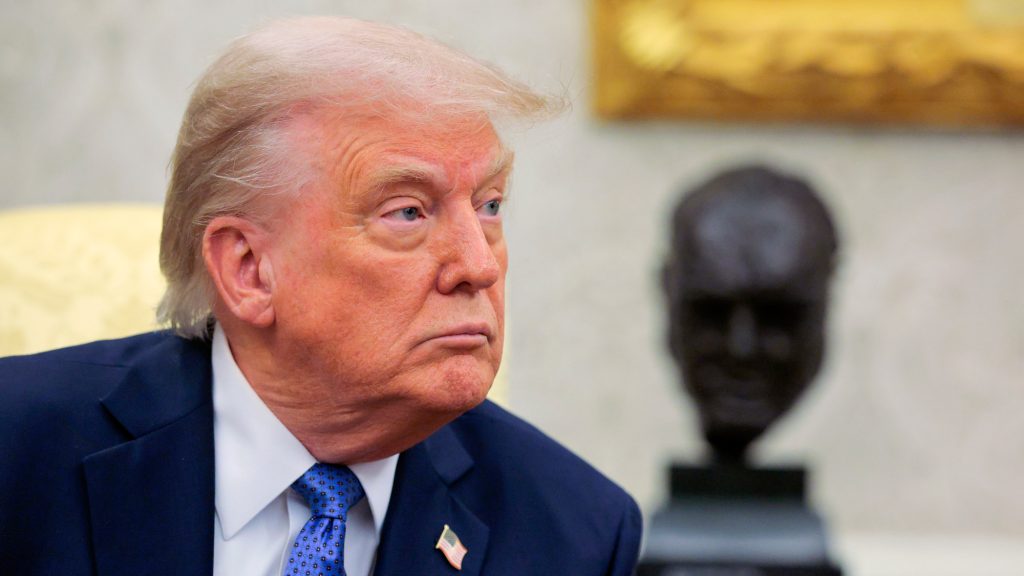
President Trump is “well positioned to secure a lasting deal” with Iran on its nuclear program, said Ivo Daalder in Politico. Unfortunately, it may be “on Iran’s terms.” Since 2018, when Trump scrapped President Barack Obama’s Iran nuclear deal, Tehran has been enriching uranium and now has a stockpile at 60 percent purity. At this point, it could jump to the 90 percent purity required for a bomb whenever it chooses, and that has alarmed Israel, which considers a nuclear Iran an existential threat. Israel was reportedly planning to bomb Iran’s facilities, but Trump insisted on talks first, bombs second. The “carrots and sticks” approach has brought Iran to the negotiating table, and U.S. envoy Steve Witkoff has met twice with Iranian diplomats in the past two weeks. But whatever deal emerges is likely to be a near clone of Obama’s pact, which Trump derided as “the worst deal in history.” Critics of the original deal may again be left wanting “something more stringent.”
A tougher agreement is still within reach, said Arash Azizi in The Atlantic. Iran is in a “weak, even humiliating position,” with Israel having humbled Iranian proxy militias in Gaza, Syria, and Lebanon. Internal discontent over the ayatollahs’ “political repression and economic mismanagement” has swelled, and voices favoring engagement with the U.S. are gaining strength. There’s hope Iran could accept “real concessions” that create a “more enduring” check on its nuclear ambitions.
Don’t count on it, said Bret Stephens in The New York Times. Iran “has been playing Western diplomats for fools for decades.” The heart of the problem isn’t the level of nuclear enrichment, but the Iranian regime, with its “raging anti-Americanism and antisemitism” and its “long record of supporting terrorism.” Rather than the same old deal, Trump should offer “normalization for normalization.” The U.S. would lift sanctions and allow unfettered trade to bring prosperity to Iranians, if in exchange Iran renounced nuclear weapons, terrorism, and repression and became “a normal country.” To add to the pressure, the U.S. could give Israel the bombers it needs to wipe out Iran’s facilities in case of a no. But outsourcing our military muscle to Israel would be “a profound strategic error,” said Dan Perry in The Hill. It sends the message that Trump’s White House, like Obama’s, “lacks the will to enforce its own red lines.” The ayatollahs must understand that if they try to stall, their “cataclysmic rule” will be ended. “That message must come from Washington, not Tel Aviv.”
Trump edges closer to a nuclear deal with Iran—but is it too similar to former President Barack Obama’s pact?