With climate change making natural disasters far more frequent, some consumers are turning to smaller off-grid electric networks to generate power in the event of a catastrophe. These “microgrids” are already becoming popular in numerous vulnerable areas of the U.S.
What is a microgrid?
It is a small power network that “generates, stores and consumes electricity in one relatively confined space,” said National Geographic. They operate in a manner different from traditional power grids, in which “electricity moves from a power plant to homes and businesses via a connected, centralized grid made of substations and transmission lines.” These grids are embraced by homeowners and small businesses, and many also “connect to their local utility and draw power from that grid” if the larger ones “don’t produce enough on a given day.”
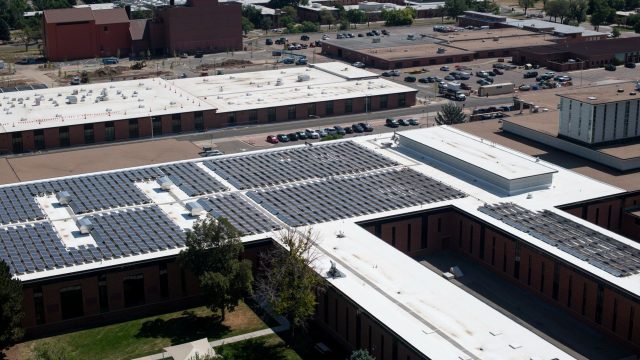
These electrical systems are appearing in stormy areas like North Carolina, where solar versions help to “prepare for disasters like Hurricane Helene, which devastated the region two years ago,” said NPR. They are also “popping up in public spaces” where people “often gather after storms.” Currently, the U.S. has more than 5,000 microgrids in operation, according to research firm Wood Mackenzie.
What next?
Legislators have made efforts to increase microgrid use. Sen. Peter Welch (D-Vt.) introduced a bill to “boost the adoption of microgrids across the country as the nation’s transmission system becomes increasingly strained by growing energy demand and extreme weather events,” said Politico’s E&E News.
The bill would provide $700 million toward microgrid development. It would also encourage regulators to “streamline the interconnection process for localized, independent grids,” said E&E, while “providing technical assistance to utilities and governments working on grid resilience projects.”
Many people are looking to smaller units to generate power during — and after — storms