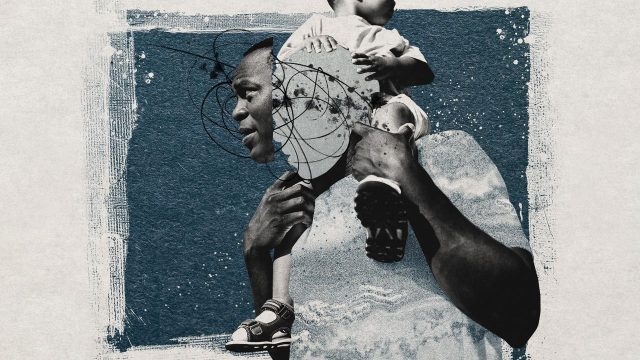
While postpartum depression is widely known as an issue that affects mothers, researchers are increasingly finding that it can be experienced by fathers too. Postpartum depression is often used as a shorthand for any perinatal mood disorder, which can include anxiety and OCD. Understanding how that manifests differently across genders could be key to getting men the help they need.
New parenting stress
Fathers are “at risk for the same things that mothers go through,” said Sheehan Fisher, a perinatal clinical psychologist, to The New York Times. About 10% of fathers develop symptoms like depression and anxiety during the perinatal period, which lasts from pregnancy through the first year after childbirth. That is about half the proportion of mothers who develop similar symptoms. Conditions in fathers could be more prevalent than assumed because “men may be less likely to seek help than women are and often have different symptoms,” said the Times.
Depressed dads are more prone to expressing aggravation, annoyance or even rage, Daniel Singley, a psychologist who founded a therapy center for men, said to the Times. Beneath those emotions, they are likely “feeling hurt, sad, afraid, ashamed, helpless, hopeless,” but “what we see externally is anger and irritability.” These feelings can also present with physical symptoms such as muscle tension or stomach pain.
Evidence suggests a relationship between “paternal employment, psychological status, history of maternal mental illness, first pregnancy, marital relationship” and paternal postpartum depression, researchers said in a 2021 study. Another major risk factor is a “prior history of depression in the man,” said Psychology Today. Men also “typically experience a decrease in testosterone levels during the woman’s pregnancy,” which can contribute to a higher risk of depression.
Postpartum depression in fathers is “real and affects a substantial number of fathers,” said Psychology Today. It can have “deleterious effects for the father, the mother and the baby.” Screening for PPD in men is “important and yet is underutilized.”
Seeking help
Men can go undiagnosed because they prioritize the mother’s concerns over their own symptoms, or because they have a “hesitancy to admit” that they are struggling, Fisher said to the Times. Nearly half of PPD cases in women start during pregnancy, with the first postpartum weeks considered a high-risk period. For men, the riskiest window is three to six months after babies are born, possibly related to the “infants’ growing needs and activity or to the mothers returning to work.”
The number one risk factor for paternal postpartum depression, though, is “maternal postpartum depression,” Singley said to the Times. There is “a lot of stress” because men “want to be supportive, want to be caregivers,” and the “system is set up, really, to support women,” Brett Biller, a psychologist, said to CBS News. As paternal PPD becomes more widely recognized, the availability of resources should increase as well. Whether it’s “medication, talk therapy or both,” there is “nothing wrong with that,” Biller added. “Mental health difficulties are the same as physical difficulties, and there’s a correlation between the two.”
Men are sometimes taught that “seeking support for their mental health is a sign of weakness,” psychologist Adam Borland said to the Cleveland Clinic. “But it’s not.” If you’re living with male postpartum depression, “it’s the best step you can take to best care for yourself and your family.” Adjusting to a baby can be trying, but if your depressive symptoms persist for weeks, don’t hesitate to reach out for guidance.
There is “nothing shameful or embarrassing” about the condition, Borland said. Fatherhood is a “huge new job, with long hours and no pay and you deserve support.” Asking for help means you are “doing what you need to do so you can be the best man — and best dad — you can be.”
Some dads are suffering in silence through the early perinatal period