
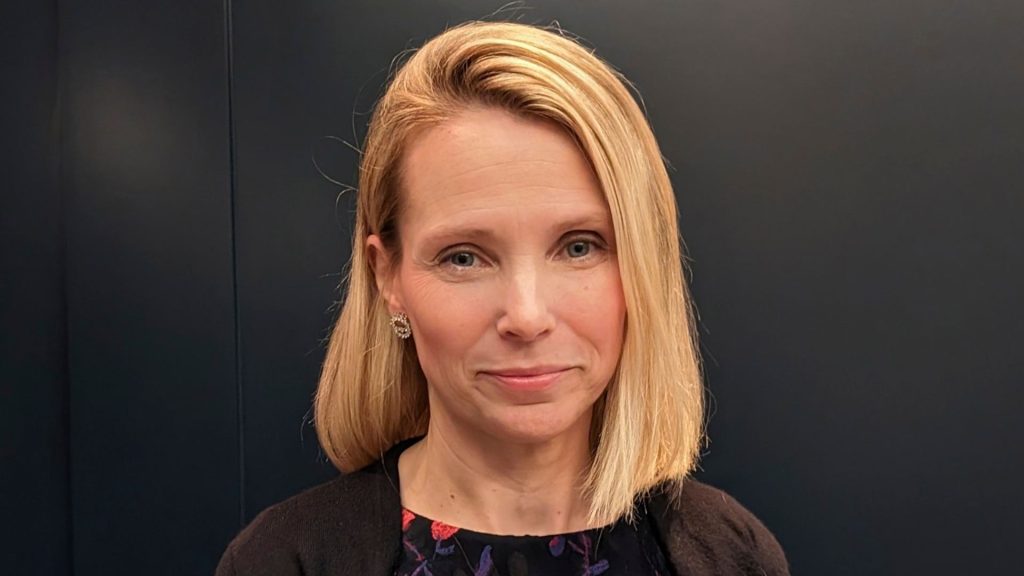
Marissa Mayer is back, and people aren’t “thrilled,” said María José Gutiérrez Chávez in Fast Company. In an interview last week with The New York Times, the ex-Google engineer and former Yahoo CEO introduced her new artificial intelligence startup, Dazzle. The women-focused AI assistant analyzes photos in users’ camera rolls to build a detailed dossier on them, and can then make proactive suggestions and perform tasks. But the example Mayer gave about how Dazzle might be used left some observers “confused.” Mayer said her daughter’s teacher had asked for “three bullet points to summarize what made the 10-year-old special.” Struggling with the task, Mayer handed it to Dazzle. After scanning her camera roll, it suggested: “empathetic, creative, and an animal lover.” The anecdote sparked a backlash on social media, where commenters called it “bleak” and criticized the efforts of tech leaders trying to offload “human emotions and parenting to an agent.” Mayer should have been well aware of the brewing disquiet about machines replacing “thinking”: Two years ago, Google had to pull its ad featuring a father using AI to write a fan letter for his daughter.
This interview was yet another example of how “out of touch” Silicon Valley has become, said Amanda Silberling in TechCrunch. Mayer is hardly the first “sheltered billionaire” to “suggest that we outsource child rearing” to a computer “that is incapable of understanding human emotion.” OpenAI’s Sam Altman said last year he “cannot imagine” raising a newborn “without ChatGPT.” Mark Zuckerberg envisions people relying on AI for emotional support or as romantic partners. Part of this thinking seems to “stem from the culture of the tech industry, which prizes efficiency” and optimization in all things. That’s fine if you’re building electric vehicles or semiconductors. “But our relationships with other people are not a tech product.”
It’s nice to see Mayer build a product for women, said AJ Dellinger in Gizmodo. “Women,” she told the Times, “tend to take more photos,” and so her product is geared toward making their lives a bit easier. Until now, most tech leaders have been male and they’ve imposed their biases “onto everything from the training data to how AI models communicate and how people interact with them.”
I’m just not sure Dazzle is “what we had in mind,” said Beth Kowitt in Bloomberg. Rather than challenge structural inequities, Dazzle “seems to accept and amplify them,” intensifying the pressure on overextended mothers to be even more perfect. But what can we expect from a woman who “doesn’t see gender inequality in tech as an urgent issue”? In the Times interview, “she equated maternity leave to peacing out.” Dazzle proves “that it’s not enough to have women build AI”; everyone in the room must also “question the assumptions being built into it.”
Her app, Dazzle, is being criticized for being out of touch