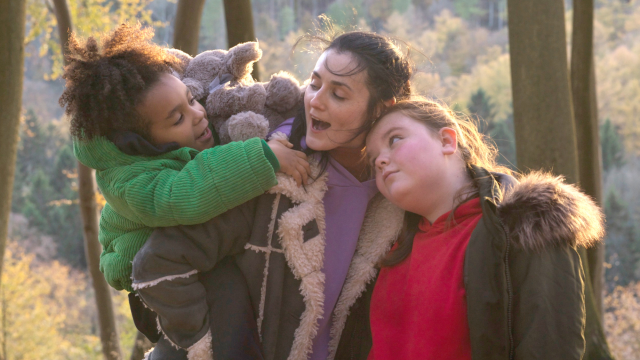
Daisy May Hudson fell into filmmaking when her mother and sister were abruptly evicted from their home in east London. A student in Manchester at the time, she returned home to help them through this crisis – and decided to film it for what became a highly acclaimed documentary. Now, she has produced her debut feature, a drama about homelessness – and it’s a gut puncher in the Ken Loach tradition, said Emily Maskell in Little White Lies.
The story follows Molly (Posy Sterling), a young mother who has just been released from a short jail sentence. She is longing to be reunited with her two children, but she finds that they are now in care; and she has lost her home and her job. Molly is thus trapped in “a hellish catch-22”: she can’t get her children back until she has a suitable roof over her head, but as her children are not living with her, she doesn’t qualify for appropriate housing.
Molly embarks on the battle to win back her children, said Catherine Wheatley in Sight and Sound, and until the final 10 minutes of the film, it is unclear if she is “heading for disaster or redemption”. There are no “villains” here, only dutiful social workers constrained by a broken system. Nor is Molly held up as heroic: she is “volatile”, “reckless” and unreliable. At one point, we see her losing her temper in a care centre, “screeching” and throwing chairs before dissolving into tears and begging forgiveness. Yet even when her poor judgement “leaves audiences smashing palms to foreheads”, Sterling makes her an “empathetic presence”, world-weary yet girlish.
The film sometimes strains too hard to underline the failures of the care system, said Christina Newland in The i Paper. But for the most part it is made with admirable “restraint and emotional intelligence”. With her “eye for social realism”, Hudson is a talent to watch.
Daisy May Hudson’s moving debut feature is a gut puncher in the Ken Loach tradition