
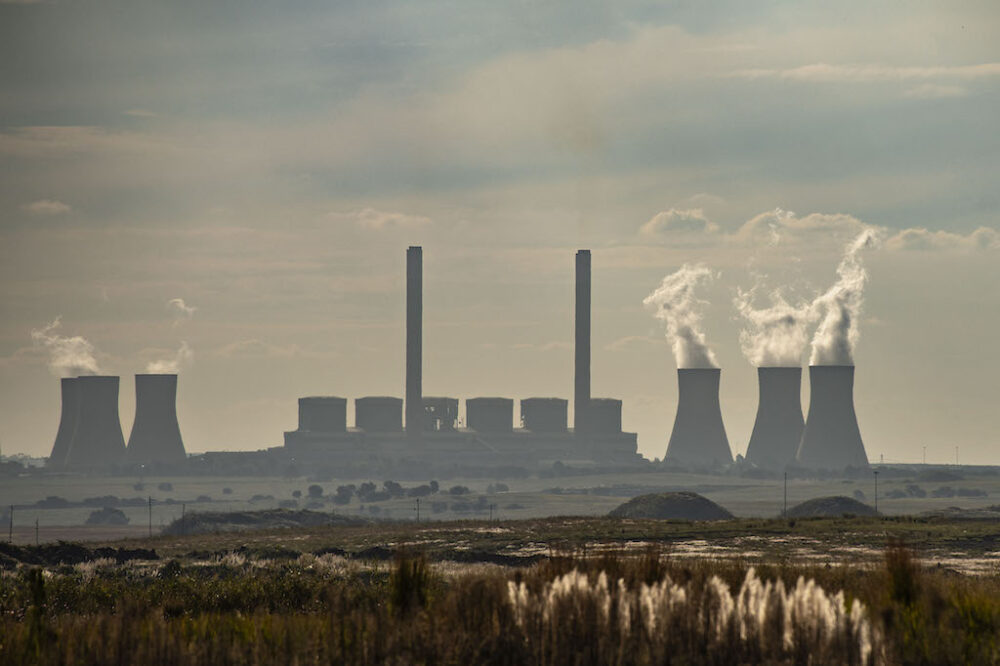


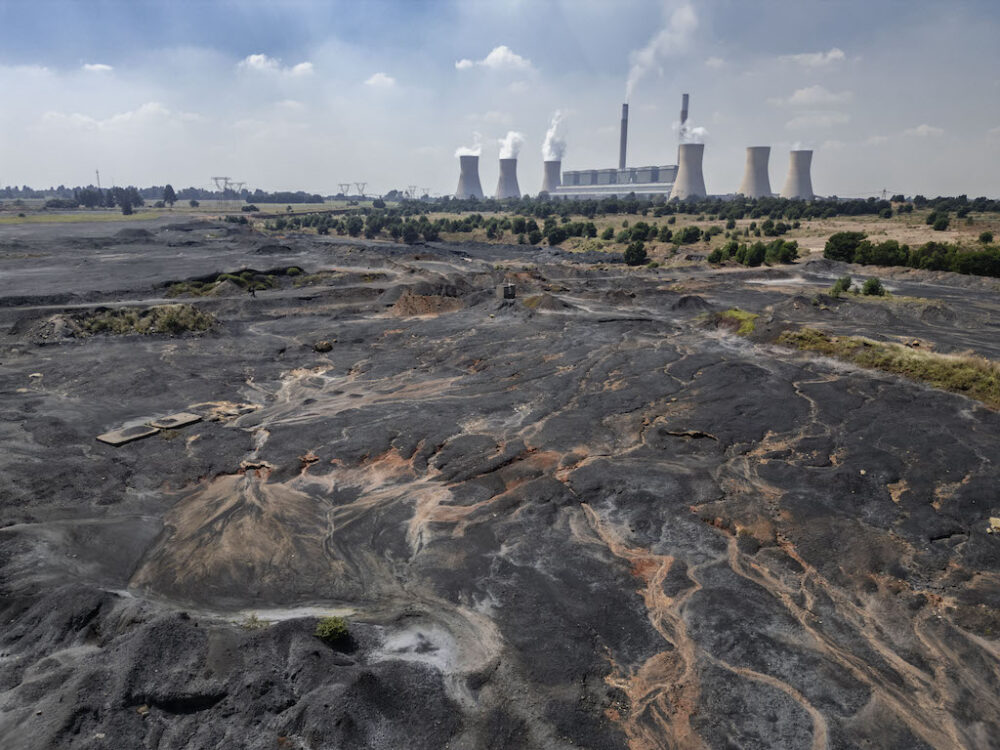
South Africa’s latest coal-fired power station, Kusile, took decades to finish building, cost hundreds of billions of rand and became one of the most controversial infrastructure projects in the country’s energy history.
Now finally fully operational, it is being celebrated as a solution to a power crisis — even as the country has committed to ending its dependence on coal, the fossil fuel that powers it.
The completion of Kusile’s sixth and final unit in 2025 marked the end of a construction programme that began in 2008, ballooned from an initial budget of about R80 billion to an estimated R161bn and became a byword for state capture, contractor corruption and engineering failure.
For years, partially built units sat idle and completion dates were repeatedly missed. When it entered commercial operation in September 2025, national utility Eskom declared the end of its multi-decade build programme.
Load-shedding, the rolling blackouts that blighted homes and businesses for more than a decade, had eased significantly and Kusile was held up as proof that the country had turned a corner.
During an April visit to the power station, near Witbank/Emalahleni in the
Nkangala District of Mpumalanga, President Cyril Ramaphosa described it as “the backbone of South Africa’s electricity supply”, together with Medupi Power Station in Limpopo.
Both stations are designed for an operational lifespan of 50 years. This means that Kusile will retire in 2060, three decades beyond government commitments to phase down coal by 2030 to contribute to international efforts to reduce harmful greenhouse gas emissions.


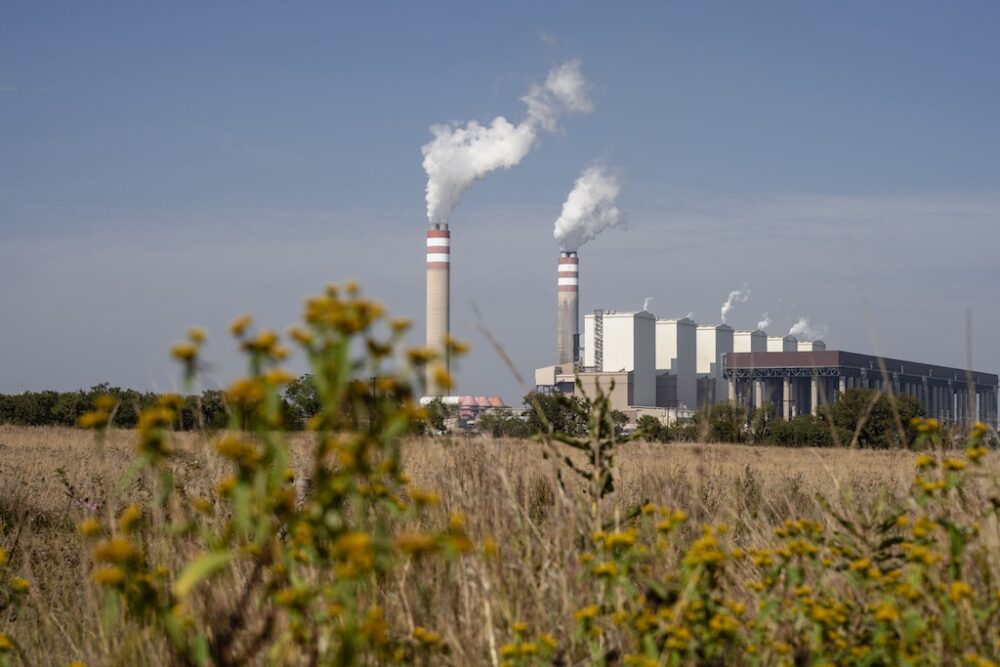
Ramaphosa’s visit to Kusile signalled that the country’s ambitions to wind down coal are slipping. The latest data collated and shared by the Oxpeckers #PowerTracker mapping tool shows that 14 coal-fired power stations in Mpumalanga and Limpopo anchor the national grid, with nearly 38 000MW of installed capacity.
The tool also identifies 16 coal mines in both provinces, producing about 125 million tonnes of coal annually.
According to the Integrated Resource Plan of 2019, which set out the country’s energy mix and the procurement of generation capacity, more than 11 000MW of coal capacity was expected to be retired by 2030.
However, Eskom has delayed the shutdown of several ageing stations due to electricity supply risks. Only one power station has been closed. As of April this year, only Komati near Bethal had been retired, ending its generating capacity of 1 14MW.
#PowerTracker says: “Eskom envisions that the Komati site will eventually provide 370MW of solar, wind and battery storage power to the grid.”
Other power stations, including Hendrina, Camden and Grootvlei, are expected to operate beyond previously determined timelines, with some units likely to remain online beyond 2030.
Duvha, Kendal, Kriel and Matimba power stations will be decommissioned between 2035 and 2040.
Delayed coal closures are keeping ageing power stations online — raising questions about who is shaping the energy transition and at what cost