
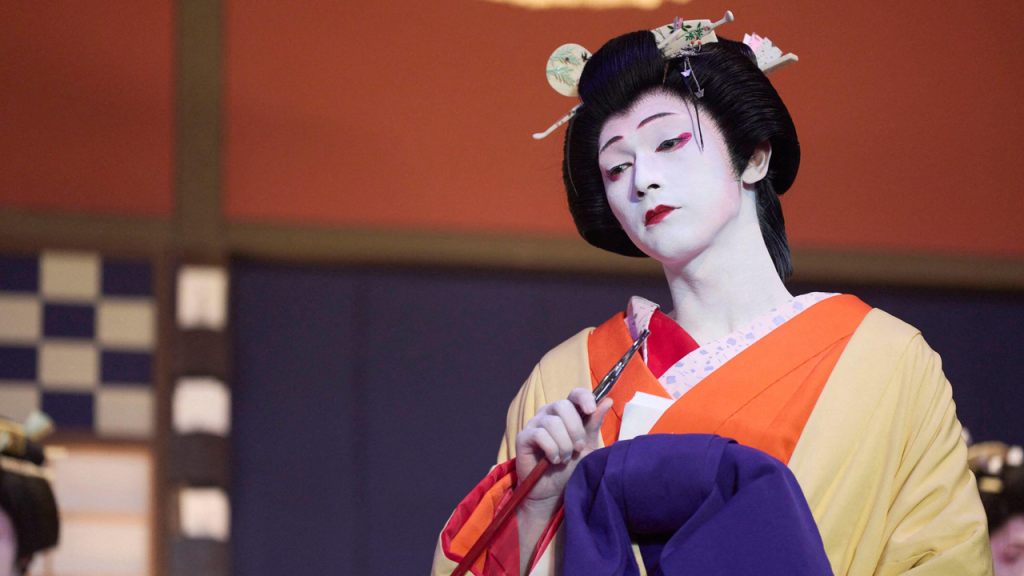
“A three-hour Japanese epic about a classical performance art (kabuki) isn’t the easiest sell,” said Deborah Ross in The Spectator, but it may be that you come away from this “masterfully sweeping” drama thinking – was three hours enough?
Spanning 50 years, it opens in 1964, in Nagasaki, with the brutal killing of a crime boss in front of his 14-year-old son Kikuo (Soya Kurokawa). A year later, Kikuo, who has already shown promise as an amateur kabuki artist, is sent to Osaka to sit at the feet of Hanjiro, a highly revered kabuki actor (played by the great Ken Watanabe). Hanjiro has a son who is the same age as Kikuo, and the two train together as onnagata – men who play the female roles. Over the years we follow their fortunes – their “deep friendship” and “blistering rivalry”. And of course there is a lot of kabuki, a form of theatre similar to ballet, which is “highly stylised” and involves “fantastically precise movements”. It makes for a “true spectacle”.
This “lavish picture” has become Japan’s highest-grossing live-action film of all time, said Wendy Ide in The Observer. Kabuki’s cultural specificity (including a mannered vocal delivery) means it is unlikely to replicate that success here. But even those not attuned to the art form will be moved by the “sumptuous period production design”, stunning costumes, and the “depiction of the savagery and suffering inherent in creative excellence”.
At times, the film “overindulges into soapier territory” and starts to flag, said Brandon Yu in The New York Times. But it comes back around with “moving flourishes”, to assert its ideas about the “beauty, bloodshed and loneliness of true artistic greatness”.
‘Lavish picture’ has become Japan’s highest highest-grossing live-action of all time