What happened
The Bangladesh Nationalist Party, one of the South Asian nation’s two entrenched political factions, claimed a decisive victory this morning in Bangladesh’s first election since the 2024 student-led uprising that ousted former Prime Minister Sheikh Hasina. Jamaat-e-Islami, an Islamist party, came in second.
Hasina’s Awami League, traditionally the BNP’s main rival, was barred from contesting Thursday’s election after its exiled leader was sentenced to death in November for her role in the deaths of 1,400 protesters.
Who said what
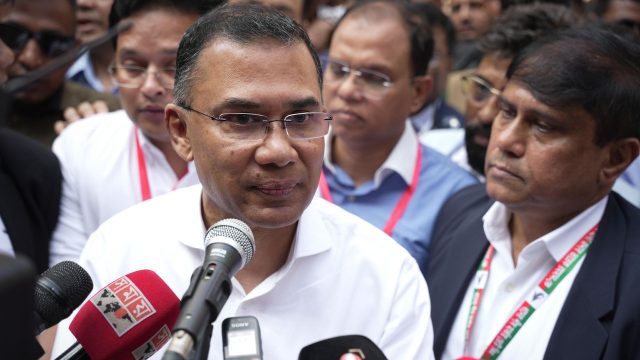
The BNP won more than two-thirds of 299 contested seats in the Jatiya Sangsad, or parliament, while Jamaat secured at least 76 seats, according to the BBC. Congratulatory messages for BNP leader Tarique Rahman, expected to become the next prime minister, poured in from India, Pakistan, the U.S., China and other nations.
Rahman, 60, “returned to Bangladesh in December after living in exile in Britain for nearly two decades,” The New York Times said. He “had a ringside seat to the growing pains of Bangladesh, a nation founded in 1971 partly by his father and run for years by his mother,” and during his short campaign he “promised to address the demands of the protest movement.” Along with electing a new government, voters approved democratic reforms, including term limits for prime ministers and stronger judicial independence, in a referendum.
What next?
The BNP’s victory was seen as representing a “desire for stability after months of political turmoil, even if it meant voting for the old guard,” The Wall Street Journal said. “The next few years will be crucial,” though, and if Rahman’s party “reverts back to the old system of patronage and cronyism, little will change despite Hasina’s downfall.”
The Bangladesh Nationalist Party claimed a decisive victory