When people talk about “investment watches”, the conversation often includes big names with sky-high price tags. Brands like Longines are in an interesting middle ground.
These watches offer recognisable heritage design, while still being accessible enough for a broader market. The question is whether that balance translates into a smart investment, especially in South Africa’s unique economy.
Understanding what ‘investment’ really means
Before diving into Longines watches for sale specifically, it helps to revisit the idea of an investment watch. Not every timepiece is going to double in value. In fact, most won’t.
True investment pieces tend to come from ultra-luxury brands with limited production, while mid-tier luxury watches often retain their value rather than dramatically increase it. Broader luxury goods market dynamics also play a role in how consumers perceive exclusivity, desirability and long-term value in premium watch brands.
It’s here that Longines becomes appealing. You are not necessarily buying for rapid appreciation, but rather for stability. A well-chosen Longines can retain a strong portion of its value over time, while offering daily wearability and timeless design.
Why Longines holds its ground
Longines have been around since 1832, which already gives it a sense of permanence. That kind of heritage is highly relevant in the watch world. Buyers trust Longines watches for sale, collectors respect these watches and the resale market recognises them.
More importantly, the brand strikes a careful balance between tradition and accessibility. Models like the Master Collection or Hydro Conquest combine Swiss mechanical movements with classic styling, which means they don’t date quickly, which is key. A watch that still looks relevant 10 years later is far more likely to hold value.
Longines also benefits from strong brand positioning. Longines is positioned above entry-level luxury but below ultra-exclusive territory, which creates steady demand that supports resale value, even if it doesn’t create explosive growth.
For South African buyers browsing Longines watches for sale through retailers like Topwatch, that balance between prestige, wearability and long-term value is often part of the appeal.
The South African factor
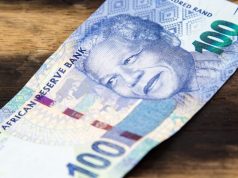
South Africa adds another facet to the investment conversation. Currency volatility plays a big role. When the rand weakens against the Swiss franc, imported luxury goods become more expensive, which often pushes up retail prices over time.
If you buy a Longines today, there’s a good chance that replacing it in a few years will cost more in rand terms. That doesn’t mean the watch itself has “grown” in value globally, but locally, it can feel like it has, which helps protect your initial outlay.
The local resale market tends to favour well-known, trusted brands, and Longines is comfortably inside that space. While niche or fashion-driven watches may struggle to find buyers, Longines models often move more easily, especially when well maintained.
If your goal leans towards investment rather than pure enjoyment, a few practical choices can make a difference. Stick to classic designs rather than trend-driven pieces, choose mechanical over quartz where possible and keep the original box and papers.
A watch that has been serviced regularly and worn carefully will always command more attention in the resale market. Along with that, popular collections tend to perform better simply because more buyers recognise them.
So, is it a good investment?
Longines is not a get-rich-quick watch and won’t behave like a rare collector’s piece that skyrockets in value overnight.
What you do get is a watch that delivers heritage and everyday appeal, while preserving a meaningful portion of its value over time. In a South African context, where currency shifts and market familiarity play a role, that stability becomes even more relevant.
Longines is positioned above entry-level luxury but below ultra-exclusive territory, which creates steady demand that supports resale value.