What happened
Protests sparked by the collapse of Iran’s currency have spread to 26 of the country’s 31 provinces, and the death toll has reached at least 19, the Human Rights Activists News Agency reported Monday.
The protests have “convulsed Iran for a week,” The New York Times said, and while not yet as large as the “last two major uprisings — one in 2022 led by women and another in 2019 set off by gasoline prices — they have rattled senior officials.”
Who said what
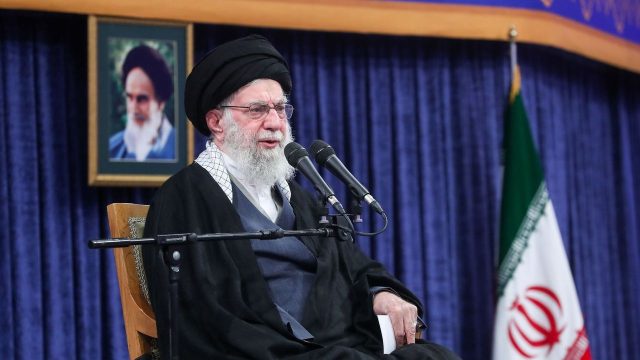
The protests “began first with merchants in Tehran before spreading” and becoming increasingly political, The Associated Press said. And the demonstrations “do not appear to be stopping, even after Supreme Leader Ayatollah Ali Khamenei on Saturday said ‘rioters must be put in their place.’” President Masoud Pezeshkian took a more conciliatory tone than Khamenei, saying that “we must listen to the people” and any “unjust” policy is “doomed to fail.”
Iran’s theocratic government is facing “growing domestic unrest combined with an external military threat,” the Times said, and it “appears at a dead end in addressing both.” President Donald Trump said Friday that if Tehran “violently kills peaceful protesters,” the U.S. is ”locked and loaded and ready” to “come to their rescue.“ He reiterated his warning Sunday night. Trump’s threat “has taken on new meaning after American troops captured Venezuelan President Nicolás Maduro, a longtime ally of Tehran,” the AP said.
What next?
Iran’s protests “could still spread and turn more violent,” the Times said, and officials “appear to have few tools at their disposal to deal with either the pressing challenges of a tanking economy” or the “threat of further conflict with Israel and the United States.”
The death toll from protests sparked by the collapse of Iran’s currency has reached at least 19