
What happened
Tehran is considering a U.S. proposal to formally end the Iran war and start a 30-day clock to negotiate a full agreement, Axios and other news organizations reported Wednesday. Iranian and Trump administration officials “offered contradictory and rapidly changing assessments of the state of the war and peace talks,” The New York Times said, all “while providing few details about those negotiations.”
Who said what
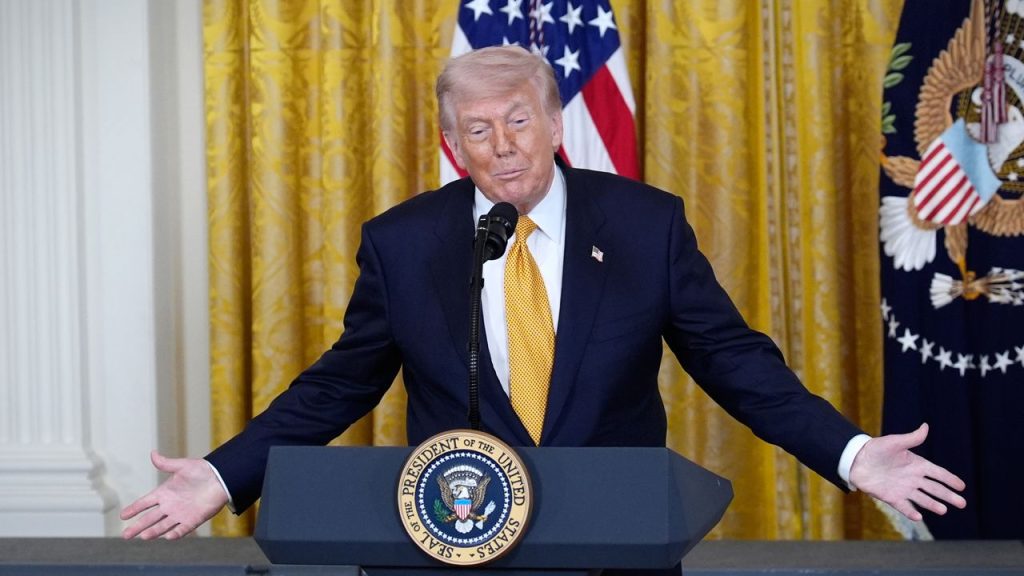
If Iran doesn’t agree to “give what has been agreed to,” President Donald Trump said on social media Wednesday morning, the “bombing starts,” and “at a much higher level and intensity.” Hours later, he told reporters the two sides “had very good talks over the last 24 hours” and a deal was “very possible.” An Iranian Foreign Ministry spokesperson said Tehran would relay its response through Pakistan, while another Iranian official dismissed the proposal as an “American wish-list.”
The one-page U.S. memorandum of understanding involved “Iran committing to a moratorium on nuclear enrichment, the U.S. agreeing to lift its sanctions and release billions in frozen Iranian funds, and both sides lifting restrictions around transit through the Strait of Hormuz,” according to Axios. But the proposal would “not initially require concessions from either side,” sources told Reuters, and it leaves “unresolved key U.S. demands” on Iran’s nuclear program and reopening the strait.
What next?
The “biggest obstacle to an Iran deal may be Trump’s ego,” Politico said, citing U.S. and Arab officials. Trump’s “history of nursing grudges, ridiculing opponents and insisting he wins everything doesn’t bode well” for striking a deal with Iran’s respect-conscious leaders.
Trump has provided few details but maintains optimism about a war-ending deal