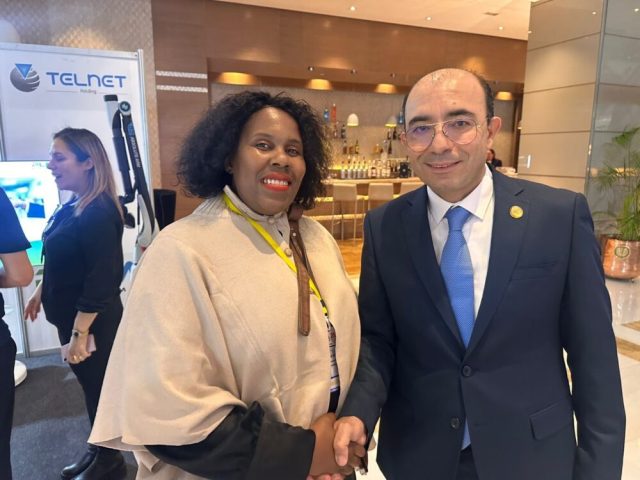
On the initiative of the Embassy of Tunisia in South Africa, under the leadership of HE Karima Bardaoui, a delegation of South African women took part in the ninth edition of the Financing Investment and Trade in Africa Conference 2026 (Fita), in Tunis from 28 to 30 April 2026.
The strategic engagement underscores Tunisia’s growing role as a gateway for African trade and investment, while highlighting the importance of women’s leadership in shaping the continent’s economic future.
The delegation included Wendy Mpendulo, the president of the Africa Progressive Women Chamber for Trade and Industry, accompanied by two businesswomen from the chamber.
Their participation reflected a broader commitment to strengthening intra-African collaboration and empowering women entrepreneurs across value chains.
A highlight of the conference was a dedicated workshop hosted by the chamber, where Mpendulo delivered a compelling address on “Women leadership and free initiative: Supporting women’s participation in African value chains.” Her presentation emphasised the importance of inclusivity in trade, advocating for increased access to markets, financing and leadership opportunities for women across the continent.
Fita 2026, held under the theme “African Value Chains: Developing Strategic Levers for the Transformation of the Continent”, brought together more than 3 000 participants from more than 65 countries. Attendees included ministers, policymakers, business leaders, development institutions and private investors, creating a vibrant platform for dialogue and deal-making.
The conference reinforced its reputation as a pan-African hub for investment. This year’s edition focussed on sectors critical to Africa’s transformation, including digital innovation, clean technologies, infrastructure development and financial services. Through panels and networking platforms such as the “Deal Room”, participants explored practical pathways to unlock the continent’s economic potential.

A major outcome of the conference was the signing of 15 partnership agreements between the Tunisian African Business Council and various African chambers of commerce and employers’ organisations. The agreements span key sectors such as energy, water, telecommunications, engineering and infrastructure, reflecting a strong commitment to collaborative growth.
Among the most notable initiatives discussed was a large-scale urban development project in Kinshasa, Democratic Republic of Congo, covering about 43 000 hectares. Known as “Novation City Kinshasa,” the project includes plans for a technology park, textile manufacturing hubs and integrated urban infrastructure, with an estimated investment of €100 million (about R2 billion).
Additional projects in countries such as Guinea further illustrate the expanding footprint of Tunisian enterprises across Africa.
The Tunisian African Business Council and the Africa Progressive Women Chamber of Commerce and Industry signed a memorandum of understanding. The milestone agreement aims to strengthen cooperation, promote women-led enterprises and facilitate greater participation of women in African trade networks.
Canada was featured as the guest non-African country, highlighting growing interest in sub-Saharan Africa’s trade opportunities and reinforcing the importance of international partnerships. Discussions encouraged the continent to leverage its financial resources and reduce reliance on external funding.

Tunisia’s broader economic strategy was also brought into focus, with ambitions to increase foreign direct investment to four billion dinars (about R217bn) by the end of 2026.
Beyond the conference halls, Tunisia revealed itself as a destination rich in history, culture and natural beauty. Widely regarded as a safe and accessible country, Tunisia offers visa-free entry for South African citizens on short stays, making it an increasingly attractive travel option.
One of the country’s iconic destinations is Sidi Bou Saïd, a breathtaking village perched above the Mediterranean Sea. Known for its striking blue-and-white architecture, it is often compared to the Greek island of Santorini. With its panoramic views, art galleries and charming cafés, the village offers a serene yet culturally vibrant experience.
It was here that I got to sit on the steps of the historic Café des Nattes, established in 1894, soaking in the atmosphere alongside HE Ambassador Shakilla Umutoni of Rwanda to Tunisia and Hisham Ben Khamsa, who kindly shared insights into the heritage and character of the remarkable town and other sites.
Nearby, the ancient Carthage stands as a testament to Tunisia’s rich historical legacy. Founded in the 9th century BC by Phoenicians, this Unesco World Heritage Site features remarkable ruins, including the Antonine Baths, Punic ports, and Roman villas, offering visitors a journey through centuries of Mediterranean civilisation.
Equally captivating is Dougga, one of the best-preserved Roman sites in North Africa. Set on a hilltop, Dougga combines ancient architecture with sweeping views of olive groves and wildflower fields, creating a striking contrast between history and nature.
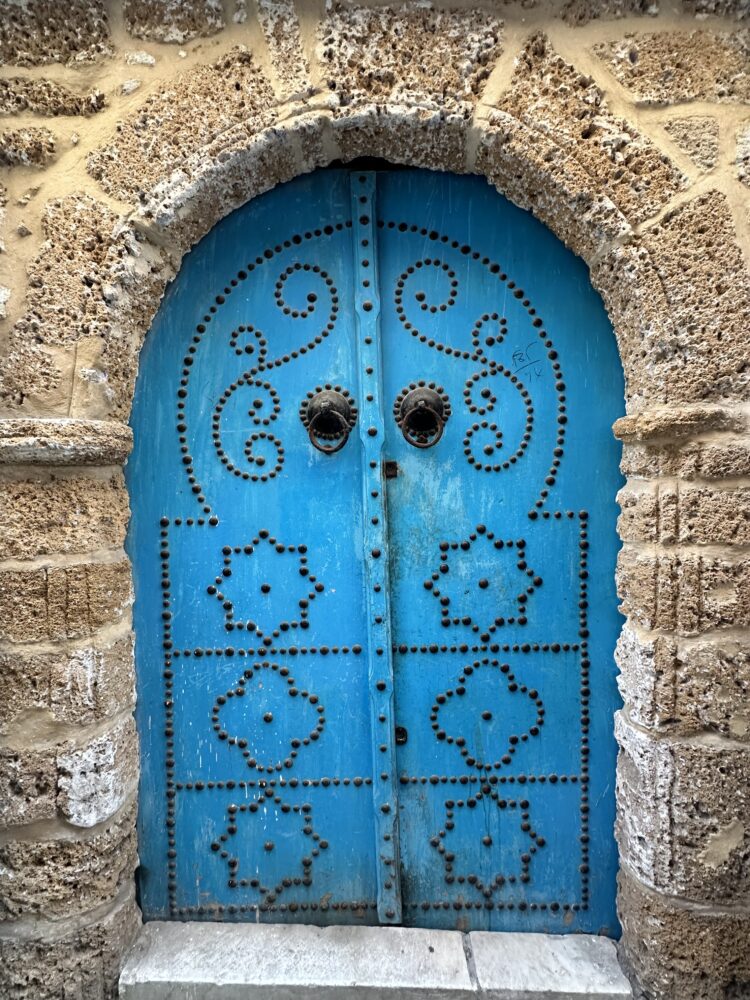


The capital, Tunis, offers a cosmopolitan blend of old and new. At its heart lies the Medina of Tunis, a Unesco-listed site renowned for its labyrinthine streets, vibrant souks and more than 700 historic monuments. From intricately designed doors to bustling markets, the medina is a living museum of Tunisian culture and craftsmanship.
Tunisia’s culinary landscape is rooted in Mediterranean traditions and enriched by Berber, Arab and French influences. Tunisian cuisine is both diverse and flavourful. Dishes such as couscous, lablabi and merguez sausages highlight the country’s love for bold spices, particularly harissa. A standout experience is enjoying brik, a delicate pastry filled with egg and tuna, requiring both skill and enthusiasm to savour.
Coastal towns like Bizerte offer a more relaxed charm. Dining at establishments such as Le Sport Nautique provides an opportunity to enjoy fresh seafood against the backdrop of the Mediterranean, followed by leisurely walks through historic harbour districts.
From its golden beaches and sun-drenched landscapes to its rich cultural heritage, Tunisia lives up to its reputation as the “balcony of the Mediterranean”.
In bringing together economic ambition and cultural richness, Tunisia offers more than just a destination, it presents an opportunity. Whether through high-level platforms like Fita or through its vibrant tourism offerings, the country positions itself as a key player in Africa’s future while inviting the world to discover its timeless charm.
Whether through high-level platforms like Fita or its vibrant tourism offerings, the country continues to position itself as a key player in Africa’s future while inviting the world to discover its timeless charm