

The 14th annual Kingsmead Book Fair, in association with Standard Bank, took place this past weekend but I have not stopped thinking about one particular conversation that happened there.
Not inside one of the packed discussion rooms where writers and thinkers dissected politics, memory and literature. Not during one of the polished panel talks either.
It happened quietly on a bench, away from the crowds, between me, a friend and one of the school cleaners who had been watching the fair evolve for years.
The fair carried that familiar warmth. Tables stacked with books. Readers walking slowly between stalls. The smell of paper and coffee. Writers signing books while strangers debated ideas in corners.
There is something deeply beautiful about watching people gather around stories in a world that increasingly rewards speed over stillness.
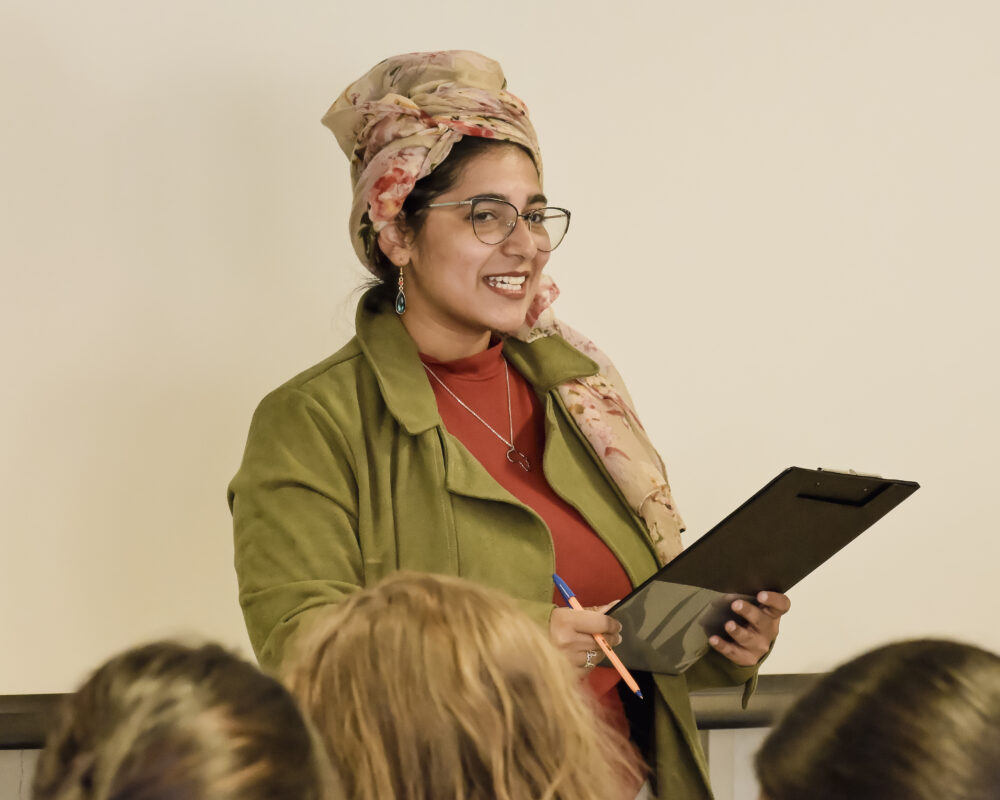
Despite anxieties around changing reading habits, this year’s turnout offered some hope.
“Looking at initial numbers we had a great turnout this year, a record number of visitors and an increased number of people in sessions, which is positive,” says fair director Alex Bouche.
“Our children’s programme was also very well attended and the authors loved interacting with the young audience.”
But beneath that beauty sat a quiet anxiety. One that followed me throughout the day.
I had brought along a friend who consumes almost everything digitally. Newspapers on his iPad. Books on a screen. Podcasts while driving. Newsletters while working. Like many people now, his relationship with media exists through devices that glow and refresh endlessly.
He admitted he could not remember the last time he had walked into an Exclusive Books. For him, the experience of the Kingsmead Book Fair felt almost nostalgic. Like returning to something that once shaped him but had slowly disappeared from his daily life.
“A hard copy feels like a serious commitment,” he told me while flipping through a book at one of the stalls. “Something our generation does not like.”
That line stayed with me for the rest of the day. Maybe that is exactly where the problem begins. Reading asks for commitment. It asks you to sit still long enough for your imagination to work. It asks you to meet a writer halfway. To build worlds in your own mind instead of having every image delivered to you instantly through a screen.
Today, people would rather consume 30 seconds of content than spend hours with a book. Algorithms reward immediacy. Attention spans shrink daily. Everything now competes with scrolling.
My friend looked around the fair again before saying something else that felt even heavier.
“I should bring my kids and friends to this fair. We cannot let something like this fade away.”
That sentence carried both hope and fear.
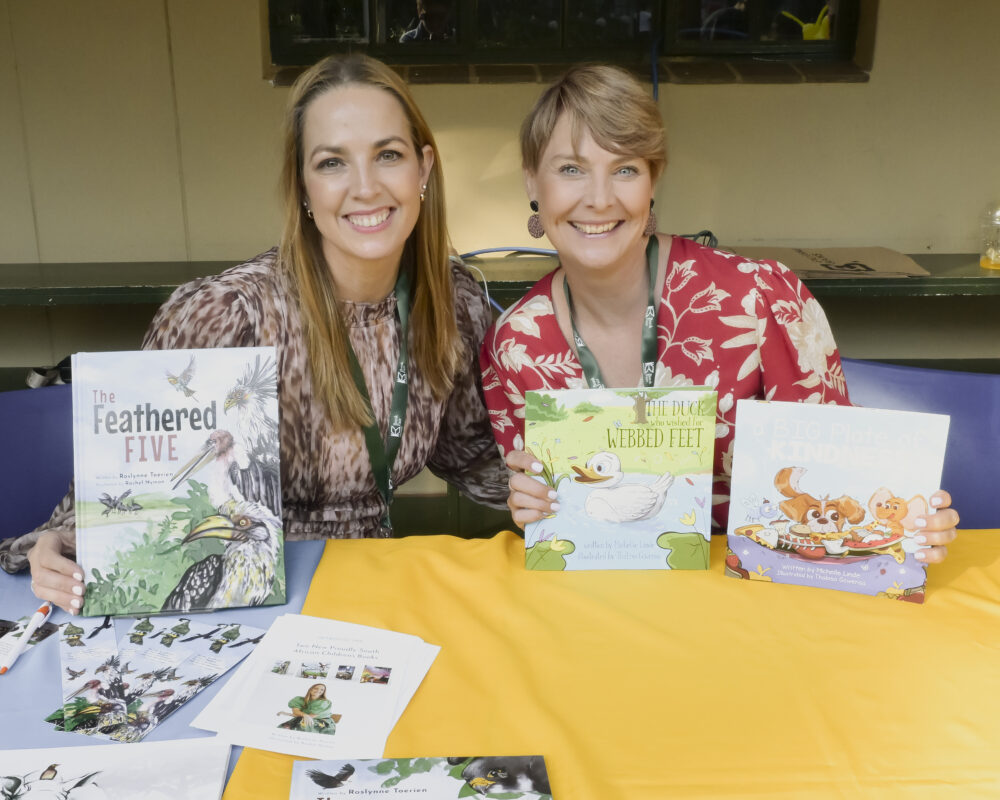
While the Kingsmead Book Fair remains important, you can also feel the pressure modern culture places on spaces like this. The world is changing rapidly and traditional reading spaces are fighting to remain visible inside an ecosystem built for speed, reaction and distraction.
After a long morning of attending sessions and moving through crowds, we eventually found a quiet bench away from the noise. I can get overstimulated sometimes, so the silence felt necessary. We continued dissecting what we had seen and what reading means now across our different industries.
Then someone joined the conversation unexpectedly.
One of the school cleaners, who had clearly been listening nearby, slowly entered the discussion.
“I have been here for a very long time,” she told us. “I have seen how full this event used to be. People do not come as much anymore and it really does worry me.”
There was something incredibly grounding about hearing that observation from her. It was not coming from publishers worried about sales figures or intellectuals mourning literary culture.
It came from someone who has quietly watched people arrive and disappear over the years.
“So people would rather sit at home in front of their TVs than come and enjoy a good day of books and conversation,” she continued. “I really worry sometimes.”
Honestly, so do I. Not because reading is disappearing completely. People are technically reading all the time now. Captions. Tweets. Text messages. Subtitles. Emails. Posts. We are consuming language constantly. But deep reading feels endangered.
The kind of reading where you sit with discomfort. Where your imagination stretches. Where silence becomes part of the experience. Where you allow a writer to slowly unfold an argument, a memory or a world without interruption from notifications.
Spaces like the Kingsmead Book Fair remind us that reading is not just about information. It is about presence. About gathering. About conversations that continue long after the session ends.
That is why platforms like this need protection. Not because they are old-fashioned. Not because nostalgia alone should preserve them. But because they offer something society desperately needs: slowness, curiosity and genuine engagement.
A quiet conversation at the Kingsmead Book Fair became a reflection on shrinking attention spans, digital culture and the fragile future of reading




