
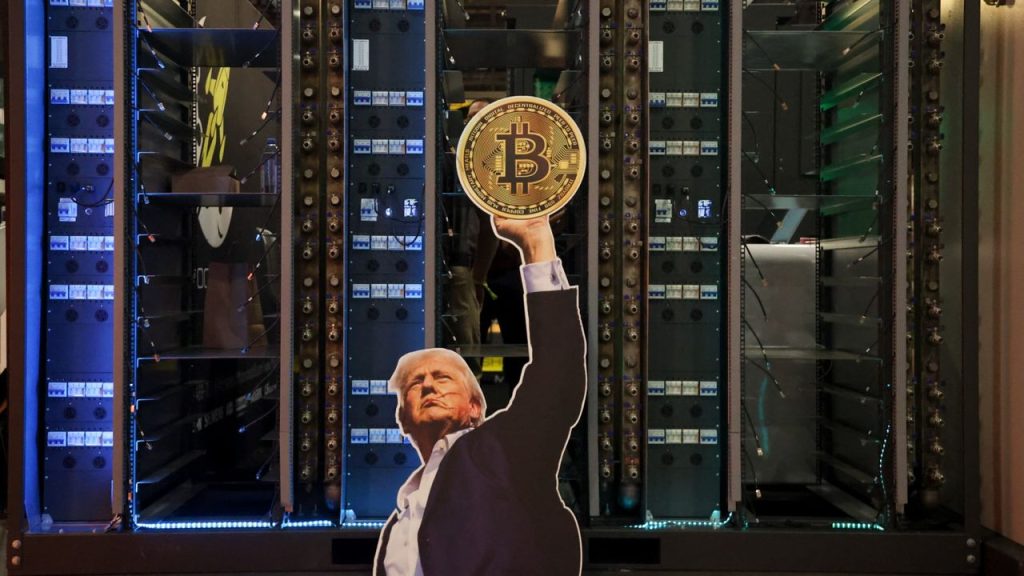
“Bitcoin has proven to be one of the best-performing assets in modern history,” said Al Jazeera. With the value of cryptocurrency increasing “some 1,000 times” over the last decade, it was only a matter of time before governments and banks wanted in.
After being launched following the 2008 global financial crisis, bitcoin was widely dismissed as a “speculative asset with no intrinsic value”. But it has been taken increasingly seriously “by governments, financial institutions and investors alike”, with far-reaching implications for politics, the economy and the way we live.
‘Big bets’
“A number of countries have made big bets” on crypto in the last few years. El Salvador holds more than “$600 million worth of bitcoin reserves”, accepting the asset “as legal tender” from 2021 to 2025.
Donald Trump’s return to the White House marked an optimistic shift in the US’s recognition of crypto as a legitimate currency “after years of government-led crackdowns on the sector”. In January 2024, the US Securities and Exchange Commission approved bitcoin for spot exchange-traded funds (ETFs), which track real-time shifts in stock market value rather than futures. This move allowed investors “exposure to the asset on the stock exchange for the first time”.
Spot crypto ETFs also had “bipartisan support” in South Korea’s 2025 election, said The Block. Lee Jae-myung, of the centre-left Democratic Party, the election’s eventual winner, said crypto funds would “provide more opportunities for South Korea’s younger generation”.
Nigel Farage is an open “supporter of cryptocurrency” and has made Reform the first UK party “to accept donations in bitcoin”, said the BBC. A £9 million donation to Reform from Thailand-based British businessman Christopher Harborne, “the largest ever single donation by a living person to a British political party”, has raised questions about the role cryptocurrency investors may play in future elections.
Ethical quandaries
In Trump’s Washington “crypto is ascendant”, said The Economist. Trump-appointed regulators are “more permissive” and investors are “piling into it”, while pro-crypto lobbying groups are throwing their weight behind political candidates who support it.
The president and his family also promote crypto. In January, the launch of the $TRUMP coin, a cryptocurrency mostly owned by “companies associated with the Trump family”, pointed towards the president’s direct financial interest in crypto. But “clear conflicts of interest” could ultimately do “more harm than good” for the industry.
Trump’s crypto endeavours are just one of a “myriad of entanglements that government ethics watchdogs have warned about for a decade now”, said The Guardian. One of the “primary worries” is the potential for “foreign actors to purchase influence” with the president via “investment in his cryptocurrency”.
In the UK, ministers believe “donations made with cryptocurrency pose a risk to the integrity of the electoral system”, said The Guardian. It is particularly difficult to “work out” who controls or owns crypto wallets based abroad, opening the door to influence by “foreign powers or criminals”.
Ministers are working on legislation that would ban cryptocurrency electoral donations, but the “complex nature of cryptocurrency” means that the proposal is unlikely to be ready in time for next year’s Elections Bill.
From electoral campaigns to government investments, crypto is everywhere and looks like it’s here to stay