Built in 1984 by a family of keen anglers from Chicago, Gangler’s is “one of the world’s finest fishing lodges”. But this outpost in the forests of Northern Manitoba offers far more than the chance to catch pike and trout, said Mike MacEacheran in The Telegraph.
Set beside the North Seal River, three hours by floatplane north of the provincial capital, Winnipeg, it is mind-bendingly remote – 230 miles from the nearest dirt road, in the heart of a wilderness that is bigger than Wales but has no other lodges. These days, many guests come simply to spot some of the area’s spectacular wildlife, including bears, wolves, moose and caribou; it is also among the best places in the world to see the northern lights. The lodge’s current owner, Ken Gangler, is an “avuncular” host who was once a touring rock musician, and despite its “modern frills” (such as Wi-Fi), the lodge itself has a homely and “nostalgic” air, with “taxidermy decor” and accommodation in waterfront cabins.
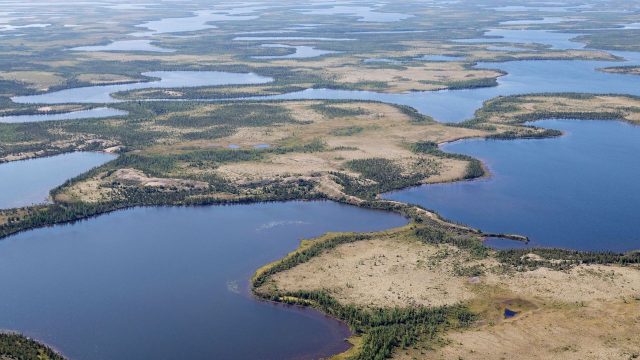
The surrounding landscape shows spectacular traces of the last ice age, including many lakes, huge “erratic” boulders, and North America’s largest concentration of eskers – deposits of sand and grit shaped as narrow ridges, up to 400ft high and 180 miles long. The eskers serve as migration routes for creatures including caribou, command panoramic views and offer good wildlife-spotting opportunities.
During my stay at the lodge earlier this year, I went on a floatplane trip to Blackfish Lake to track timber wolves up an esker, and enjoyed a thrillingly close encounter with a mother wolf and her two cubs. The area’s climatic conditions, including frequent clear skies, make it highly likely you’ll see the northern lights if you stay a few nights. The prime viewing season is in August and September, when I visited. Each evening, the sky exploded in “comet trails of red and green”, rising and dipping slowly, like “great godlike hands” clutching at the stars.
Canada As You Like It has a five-night stay from £5,420pp, including flights.
‘Mind-bending’ outpost for spotting animals – and the northern lights