
Sex doesn’t sell like it used to. That was the major takeaway from the latest Teens & Screens survey from University of California, Los Angeles (UCLA), looking into the viewing habits of 10- to 24-year-olds in the US.
While it is hardly surprising that this age group rarely watch films or shows on an actual television, instead preferring to consume content in short clips on TikTok, YouTube and Instagram, the “stat that made Hollywood blink” concerns sex on screen, said Audrey Weisburd in Paste Magazine.
UCLA found that 48% of its 1,500 respondents think there is too much sex in film and television, with more than 60% of 14- to 24-year-olds saying they want romances depicted as “more about friendship than sex”.
This fits the stereotype of a generation that’s having less sex than their parents, and which is often labelled as prudish and puritanical. In 2024, 24% of US 18- to 29-year-olds had not had sex in the past year, according to the General Social Survey, a figure that “had doubled” since 2010, said New Scientist. Yet the stats don’t tell the whole story.
‘Movement towards authenticity’
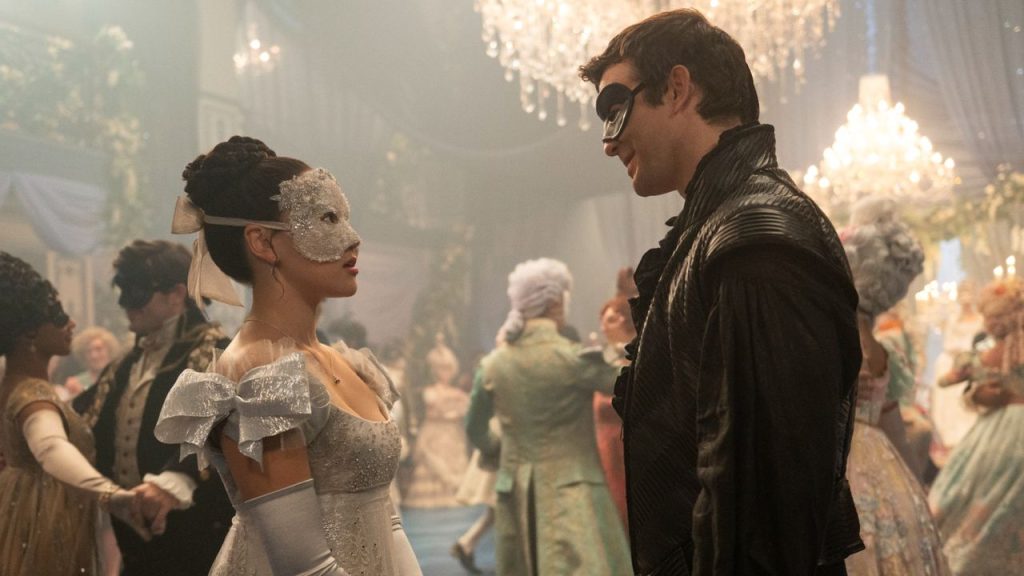
Take the current Gen Z obsession with shows such as “Heated Rivalry”, “Tell Me Lies” and “Bridgerton”.
These are “hot, filled with sex scenes, body parts and forbidden and fiery romantic interactions” but have still “captivated young viewers”, said USA Today.
For Gen Z’s who are not engaging in sex themselves but are seeking out emotional validation and connection, these stories “might almost fill that void”, said Chicago health educator Virginia Gramarosso.
What “feels unique” about “Heated Rivalry”, a show about two male ice hockey players on opposing teams having a decade-long affair, “is that it lets its sex scenes play out, sometimes sticking with its characters nearly from the beginning of their encounter until the end in real time”, said Faith Hill in The Atlantic.
The key here is authenticity. The American actress and director Olivia Wilde touched on this recently when promoting her film “I Want Your Sex”, in which she plays an artist who turns her young male assistant into her sex slave.
“The way that sex has been portrayed in film for a long time hasn’t been particularly realistic” so “there’s been this movement now towards authenticity”.
‘A new grammar of intimacy’
Especially in an era where online porn is more accessible than ever, “gone are the days when gratuitous sex would satiate an audience”, said Olivia Petter in The Times. “People want to see themselves represented on screen and this perhaps applies to sexual content now more than ever.”
When it comes to Gen Z, perhaps “they have a point”, said Zoe Strimpel in The Telegraph. “Slick commercial sex scenes” tend to be “either too perfect, or too imperfect” and the options are “just not good enough” for this generation, which has “the most complex array of demands and expectations the world has ever seen”.
In the end, this “may be less about prudishness than dissonance and fatigue”, said Paste Magazine. Gen Z is “the most digitally sexualised generation in history, raised on algorithmic thirst, parasocial infatuation, and the casual surveillance of bodies online”.
Yet “instead of translating that saturation into appetite, it’s produced a kind of sensory burnout”. What they are seeking instead, “consciously or not, is a new grammar of intimacy”.
Gen Z – often stereotyped as prudish and puritanical – are attracted to authenticity