
What happened
Federal prosecutors in Washington, D.C., Tuesday tried and failed to secure indictments against six Democratic lawmakers who appeared in a video reminding military service members they can refuse to obey “illegal orders,” according to several news organizations.
A grand jury’s rejection of charges against Sens. Mark Kelly (Ariz.) and Elissa Slotkin (Mich.) and four House Democrats “marked the latest setback for the Trump-era Justice Department in its bids to prosecute the president’s perceived enemies,” The Wall Street Journal said.
Who said what
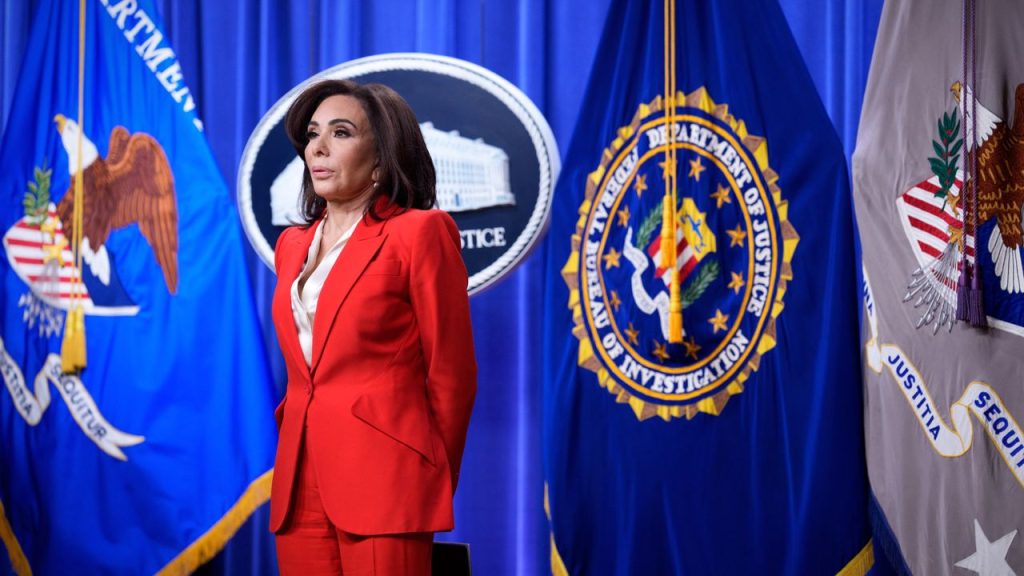
It was “remarkable” that U.S. Attorney Jeanine Pirro “authorized prosecutors to go into a grand jury and ask for an indictment of the six members of Congress,” The New York Times said. “But it was even more remarkable that a group of ordinary citizens” on the grand jury “forcefully rejected” President Donald Trump’s “bid to label their expression of dissent as a criminal act warranting prosecution.”
“Grand jury rejections are extraordinarily unusual,” The Associated Press said, but they have “happened repeatedly in recent months” as citizens presented with “the government’s evidence have come away underwhelmed.” This “latest extraordinary brushback” was especially notable, Politico said, because Trump “repeatedly posted that Kelly and his colleagues had committed sedition,” a crime punishable by death.
Trying to file criminal charges “because of something I said that they didn’t like” is an “outrageous abuse of power by Donald Trump and his lackeys,” Kelly said on X. “That’s not the way things work in America.” Having a “grand jury of anonymous American citizens” reject their charges was “embarrassing” for the Trump administration but also marked “another sad day for our country,” Slotkin said. “Hopefully, this ends this politicized investigation for good.”
What next?
Pirro’s office “could try again to present the cases to grand jurors,” The Washington Post said. “But even if they secure indictments, the cases could face obstacles in court.” This Justice Department has “brought questionable criminal cases” against Trump’s perceived foes “time and again,” the Times said. But “even though many of these cases have been weak,” the DOJ “apparently determined that it may be better to fail in court” than push back against Trump’s “well-known desire for revenge.”
The jury refused to indict Democratic lawmakers for a video in which they urged military members to resist illegal orders