
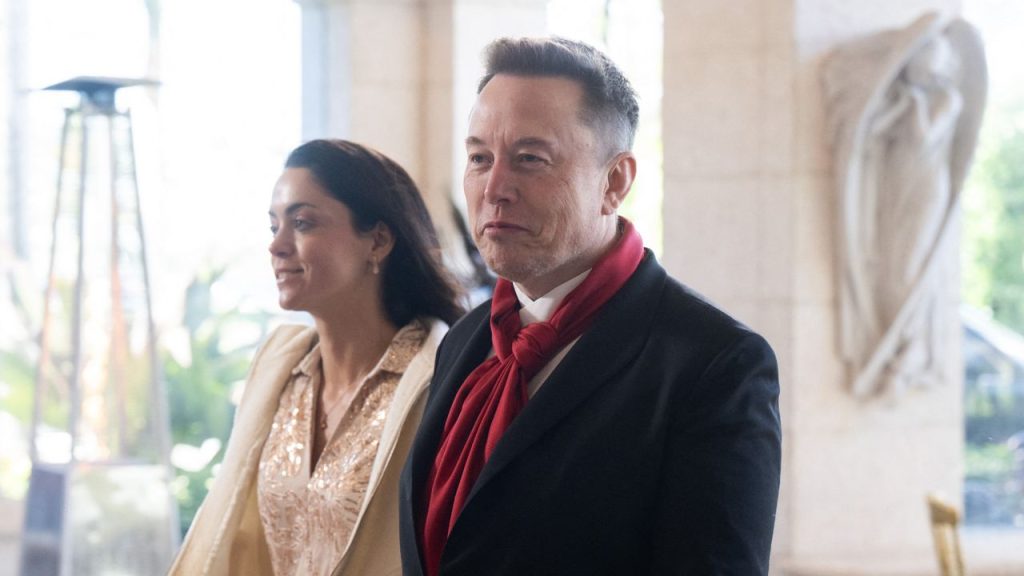
Elon Musk pulled off one of the most audacious deals of his career this week – merging his rocket company SpaceX, with his loss-making artificial intelligence startup xAI. Fittingly for the world’s richest man, said the FT, he has created “the most valuable private company in history”.
Musk’s supporters see the $1.25 trillion mega-merger as further evidence of his “genius”: the stated aim is to launch a constellation of data centres into space to tap the unlimited, free energy of the Sun, and settle the problem of how to fuel the AI revolution for good. Critics, however, view the move as the entrepreneur’s “latest example of financial engineering”.
Cash cow
The merger will precede an IPO in June, billed as “the largest flotation of all time” – the date is reportedly important to Musk “because of a rare alignment of planets Jupiter, Venus and Mercury”. But the rapid timeline may have less to do with “celestial conjugations” than with Musk’s desire to beat rival AI startups OpenAI and Anthropic to market and gain first-mover advantage with investors.
Given the numerous engineering challenges, “it sounds like the stuff of science fiction”, said The Economist – and, for a while it may remain just that. It is unclear, for example, whether the hardware needed can survive being repeatedly exposed to cosmic rays. Then there is the matter of cost. Although SpaceX is able to launch things into space for far less than any competitor, it’s still not cheap. The commercial rationale for stitching the parts together, then, is shaky. A better reason might be financial. Musk’s xAI is “a cash incinerator”, reportedly burning through $1 billion a month and still weighed down by the remaining $12 billion of debt from Musk’s 2022 acquisition of Twitter. SpaceX, which reportedly generated profits of $8 billion last year, might be a handy cash cow.
Shareholder sting
Last week, Musk’s carmaker, Tesla, declared it had also invested $2 billion in xAI, raising further questions about his commitment to the company. The suspicion, said Andrew Orlowski in The Daily Telegraph, is that Musk’s obsession with AI and robotics could see the carmaker “wither and die”. Some have speculated that it too could be folded into his new enterprise.
Plenty of people have bet against Musk before and lost. But for SpaceX’s minority shareholders, this all-share transaction must look less like a visionary attempt to “accelerate humanity’s future” and more like a sting carried out “with minimal scrutiny of valuation or a meaningful attempt to seek their views”, said Nils Pratley in The Guardian. “Ad astra!” cries Musk. Shareholders could be forgiven for taking a rather “less stellar” view.
SpaceX founder is promising investors a rocket trip to the future – and a sprawling conglomerate to boot