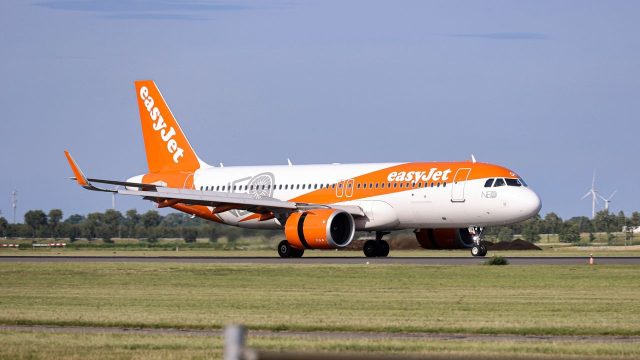
After rejecting four previous overtures as “highly opportunistic”, easyJet has rolled over, said Kate Duffy on Bloomberg.
Following a month-long siege, the British budget airline has agreed in principle to be bought by the US private equity investor Castlelake, for an improved offer of £6.90 per share in cash, or about £5.5 billion – assuming it can steer its bid around tough EU rules on airline ownership.
No longer ‘no-frills’
Shares in easyJet – a once-ground-breaking “no-frills” venture, founded by Stelios HajiIoannou and floated in 2000 – jumped on the news, said Gwyn Topham in The Guardian, partly because the latest offer allows current shareholders to remain invested under Castlelake’s ownership, “rather than being forced to divest when it delists”.
But the gloom among some City analysts was palpable. Kathleen Brooks of brokerage XTB said the potential loss of such “an iconic British aviation name” was “symbolic” of the “massive For Sale sign above UK corporates” due to their persistently cheap shares – and could encourage foreign buyers to pick off even more FTSE-listed firms.
Destination ‘largely the same’
Minneapolis-based Castlelake, an experienced aviation financier and leaser, is no sector fly-by-night. And it promises business as usual at easyJet, said Robert Lea in The Times. Despite recent travails – the airline’s stock was pummelled by the Iran conflict – the Luton-based carrier is supposedly on course to make £1 billion in annual profits.
Investors still aren’t pricing in a definite sale, said Lex in the Financial Times: one “unknown” is the view of “the orange airline’s forthright founder and 15% owner” Haji-Ioannou. But shares in European rivals rose. The nightmare for them was that easyJet would succumb to a more muscular, expansionist player. That its “destination remains largely the same” under Castlelake is a source of some comfort.
Some fear sale of airline is ‘symbolic’ of a ‘massive For Sale sign’ being placed above UK corporates