
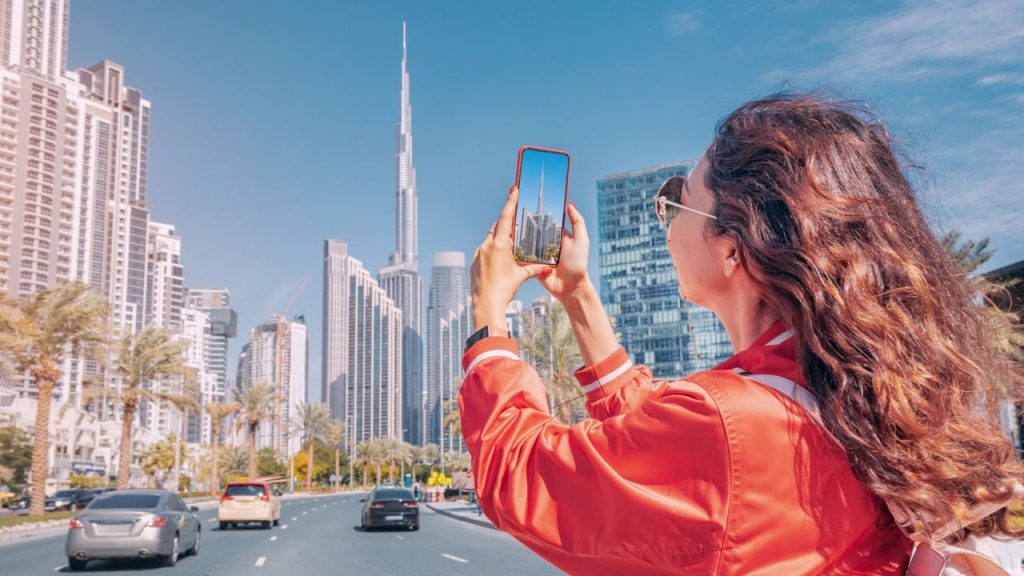
“I love a sunshine break as much as the next Sexy Beast,” said Colin Robertson in The Sun, but I have never holidayed in Dubai. Partly, this is because I have no desire to visit a “soulless sandpit” that’s hotter than hell, but mainly it’s due to the people who inhabit its “air-conditioned skyscrapers”.
I am not talking about the locals (precious few of them); or the immigrant labourers who keep the city running. No, I mean the “expats, celebs and ‘influencers’” who have spent years telling us – “via a thousand TikTok reels a day” – that their lives in Dubai are so much better than ours in rainy, crime-ridden Britain, and gloating that while we’ve been paying taxes, they’ve been lying on the beach, or cruising in their Lamborghinis.
Now, though, with debris from Iranian drones raining down, their lifestyles are looking rather less aspirational. Distressed that their dream has turned sour, these expats are desperate to get out. And guess what? We saps who paid our taxes are having to fund their evacuation.
Security shattered
The UAE worked hard to build Dubai’s reputation as a glitzy haven for a global elite, said Gaby Hinsliff in The Guardian, and the rich came in droves, to escape regulation, income tax or conflict. Workers in service industries followed, along with assorted tech bros and hustlers, and Reform-voting types too, who have railed against “broken” high-tax Britain from this sterile place – “a real-life Truman Show… sustained by stiff penalties” for those who dent its illusions.
Now, the UAE’s reputation for safety and stability risks being shattered instead by war. Tehran hopes its attacks – targeting US bases and energy infrastructure in Gulf nations – will persuade its neighbours to press the US to end its war. But they’re also a warning that if the regime falls, it will take Western-leaning Gulf states with it, by destroying their appeal to investors and tourists.
Fighting on
One real fear is that, in that effort, Tehran will seek to exploit a major vulnerability, said The Economist: the Gulf economies’ dependence on air conditioning for much of the year, and on desalinated water. Successful strikes on the region’s power stations and desalination plants could be “catastrophic”. But so far, most strikes have been intercepted, and the Gulf rulers are urging the US to fight on. They don’t want to be left with a “wounded, hostile regime on their borders”, especially not one that knows that it can alter Washington’s behaviour by pounding them.
As for Dubai, it is down, but not out, said Simeon Kerr in the FT. Many of its rich residents have opted to stay in this sunny, dynamic place where East meets West. And some of those that fled are already trying to get back, to secure their tax status.
With the UAE caught in the crosshairs of a ‘wounded, hostile’ Iran, the Dubai influencer lifestyle is ‘looking rather less aspirational’