
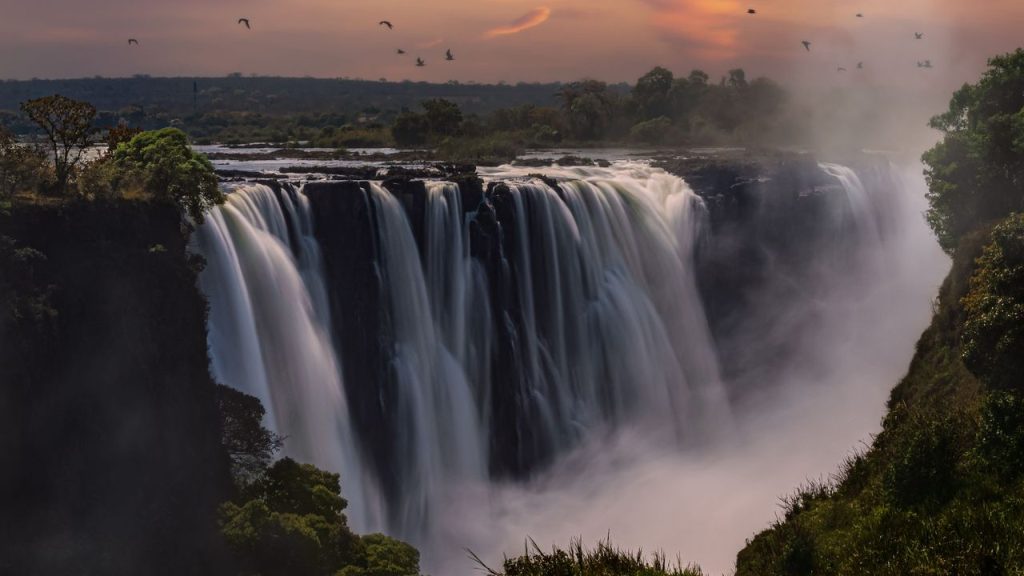
Waterfalls are a gift of both sight and sound. They look magnificent, elegantly cascading into canyons and tumbling roughly over cliffs. The steady din of rushing water and booming splashes only add to their beauty. These awe-inspiring waterfalls are reminders of how, sometimes, Mother Nature loves to show off.
Ban Gioc-Detian Falls, China and Vietnam
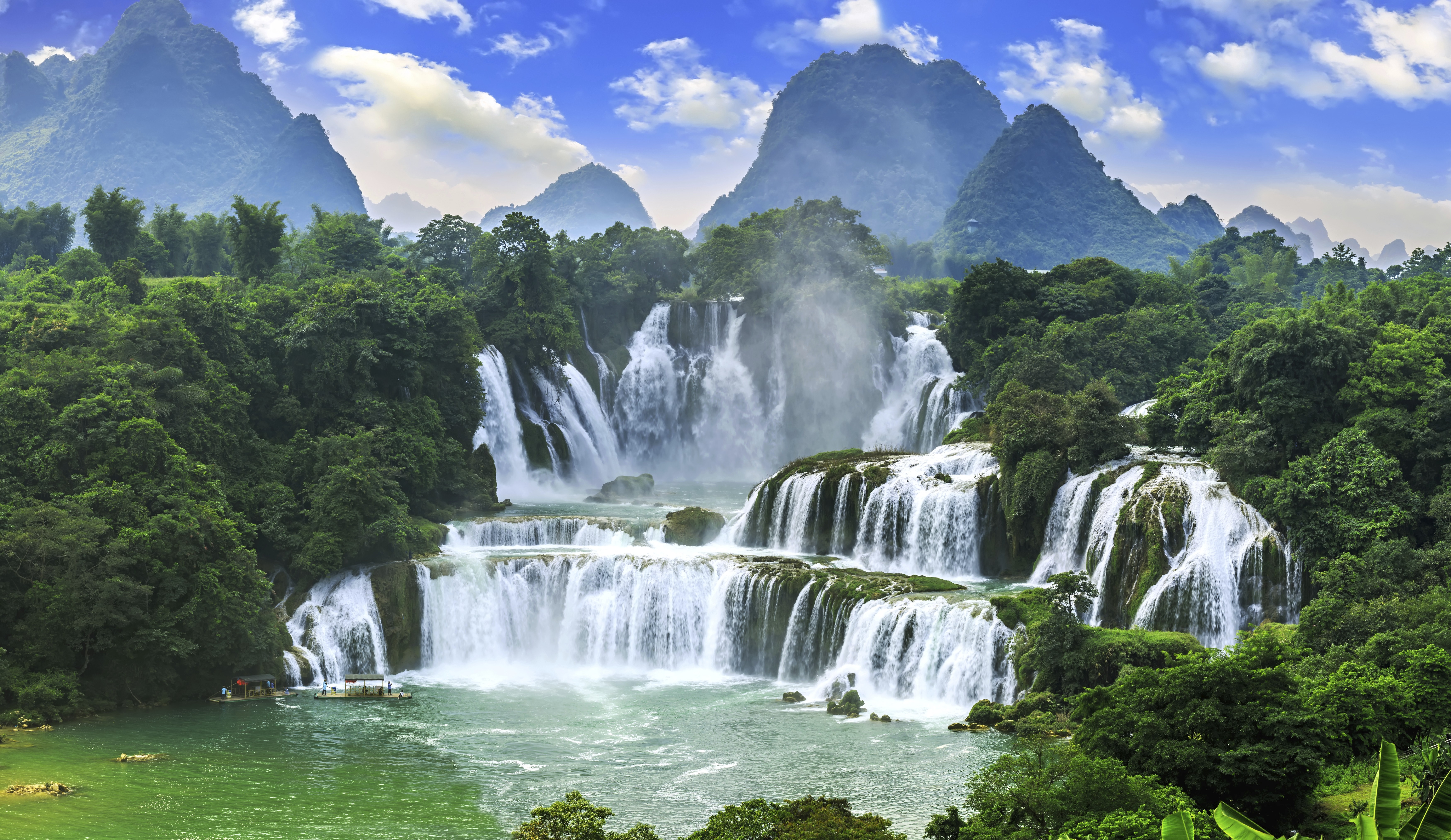

These multi-tiered falls straddle the border between China and Vietnam, surrounded by lush greenery and towering karst hills. Visitors can take in the calming sight from land, or hop on a bamboo raft and see it from the river below. On the Vietnam side (Ban Gioc), there are several smaller waterfalls to the side that add to the majesty.
Havasu Falls, Arizona
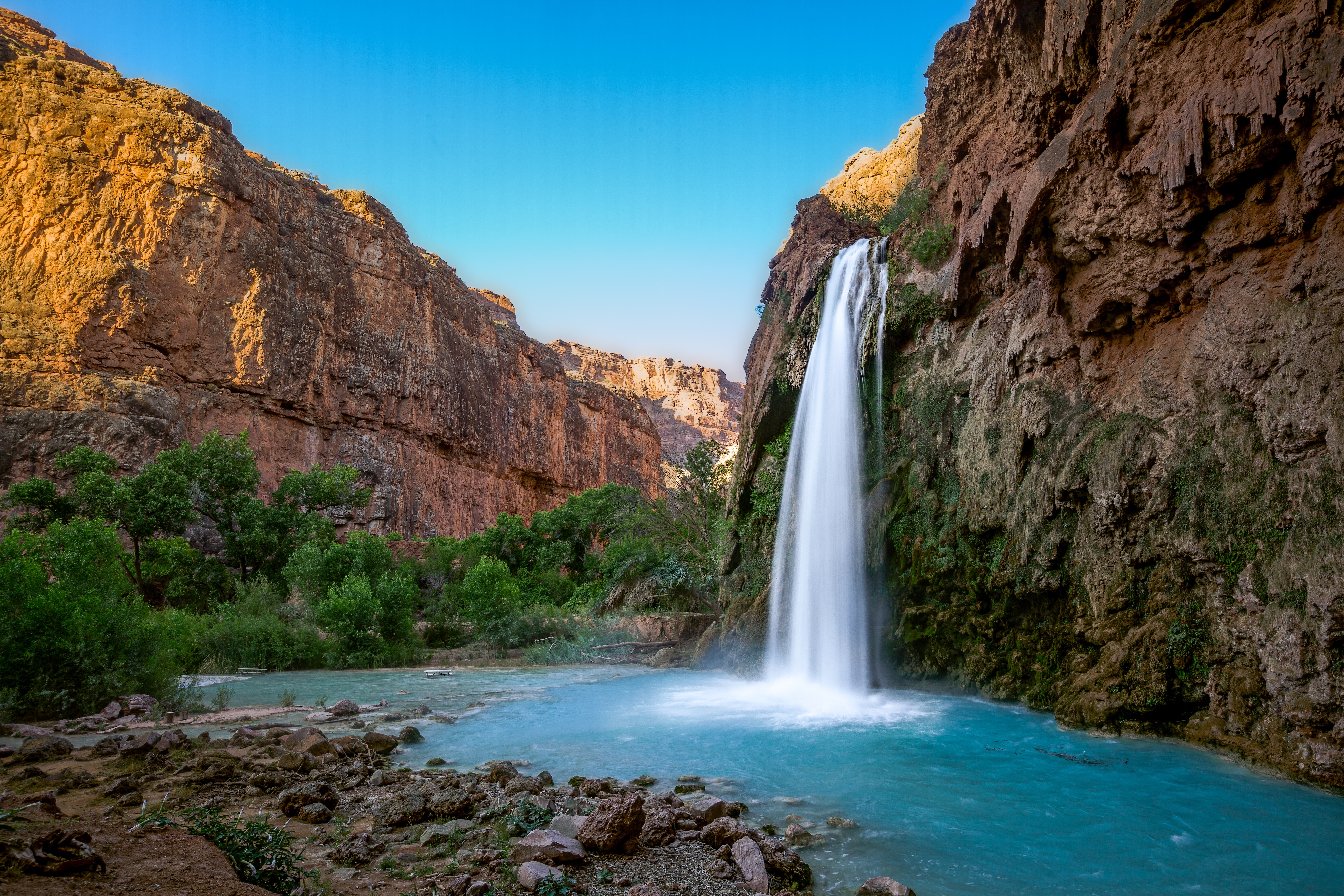

This legendary waterfall, which “topples off fiery red rock and drops into a turquoise pool,” is so vibrant it almost doesn’t look real, said Travel and Leisure. It is on the Havasupai Reservation near the Grand Canyon, and to get here, you must have a permit, book a stay at the Havasupai Campground or Havasupai Lodge and then hike (or helicopter) in. Havasu Falls is the star of the show, but the nearby Navajo Falls, Mooney Falls and Beaver Falls are “similarly spectacular.”
Helmcken Falls, Canada
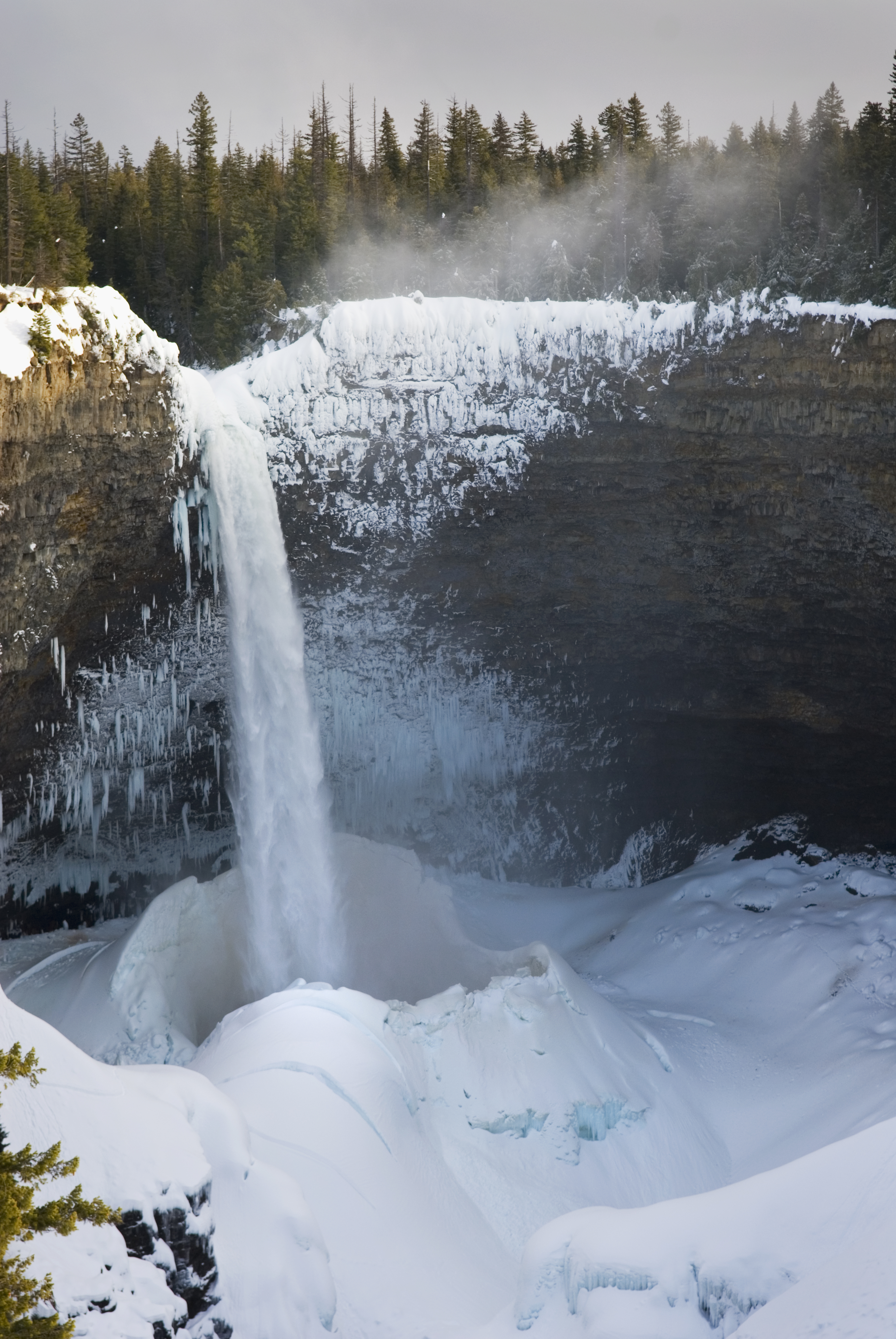

You’re going to want to see British Columbia’s Helmcken Falls during the summer and winter, when it shines in two incredibly different ways. During the warmer months, the water freely cascades down, as expected. Once the temperatures drop and days get shorter, the falls become “truly epic,” said the BBC. As the water tumbles over into the canyon, a “huge cone of ice begins to form,” creating an “awe-inspiring structure” that over the winter can grow to “almost half as tall as the waterfall itself.”
Iguazu Falls, Argentina and Brazil
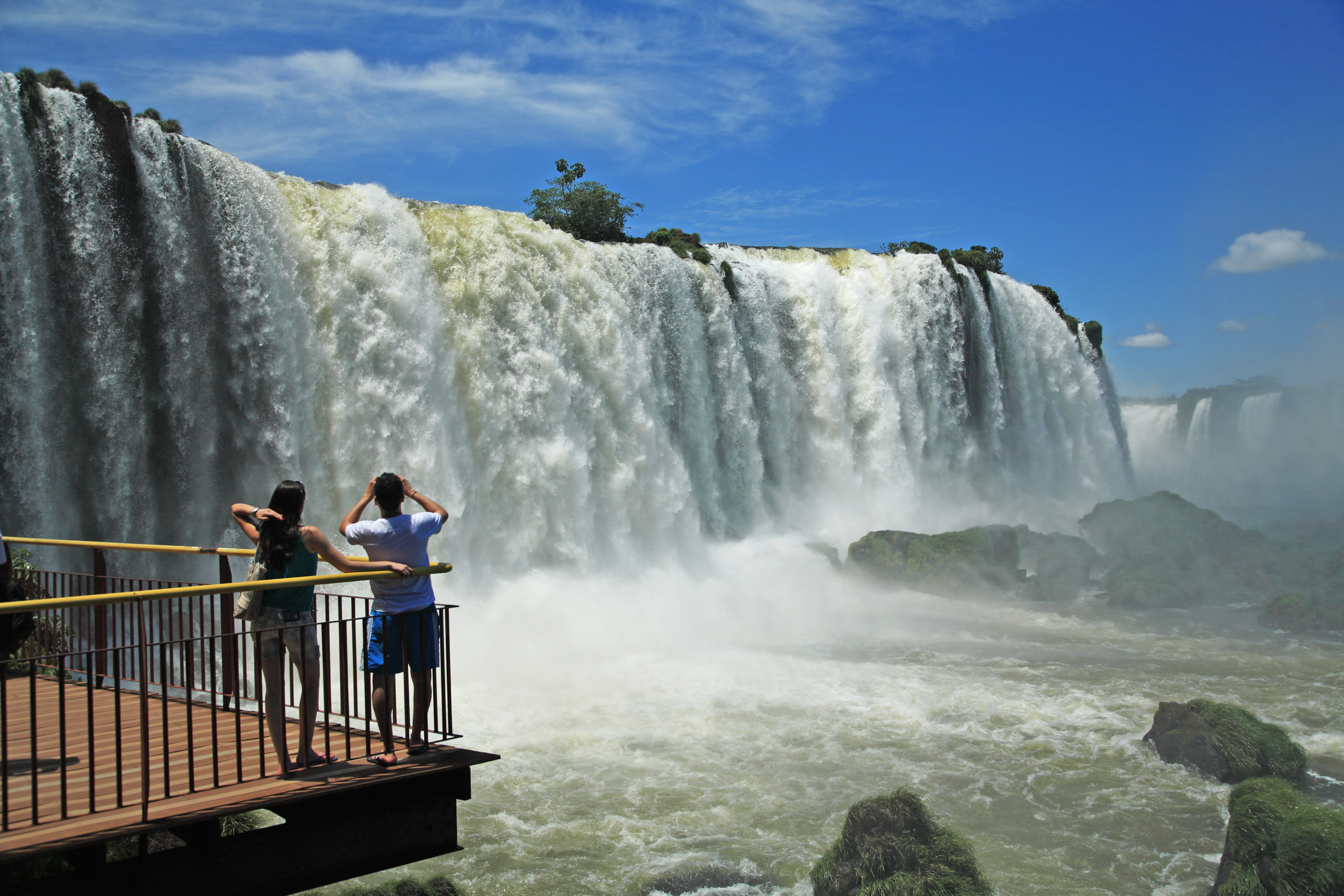

You hear Iguazu Falls before you see it. The “low, thunderous rumble” rises from “deep within the jungle,” signaling that just around the bend the incredible falls await, said Travel and Leisure.
Hundreds of cascades, “some gentle and ribbonlike, others violent and towering,” make up the falls, and the sight is a sheer “spectacle.” If you have time, view Iguazu from both the Argentinian side, where an “incredible” network of walking paths drop you off close to the falls, and the Brazilian side, which provides a “panoramic view from farther back.”
Kalandula Falls, Angola
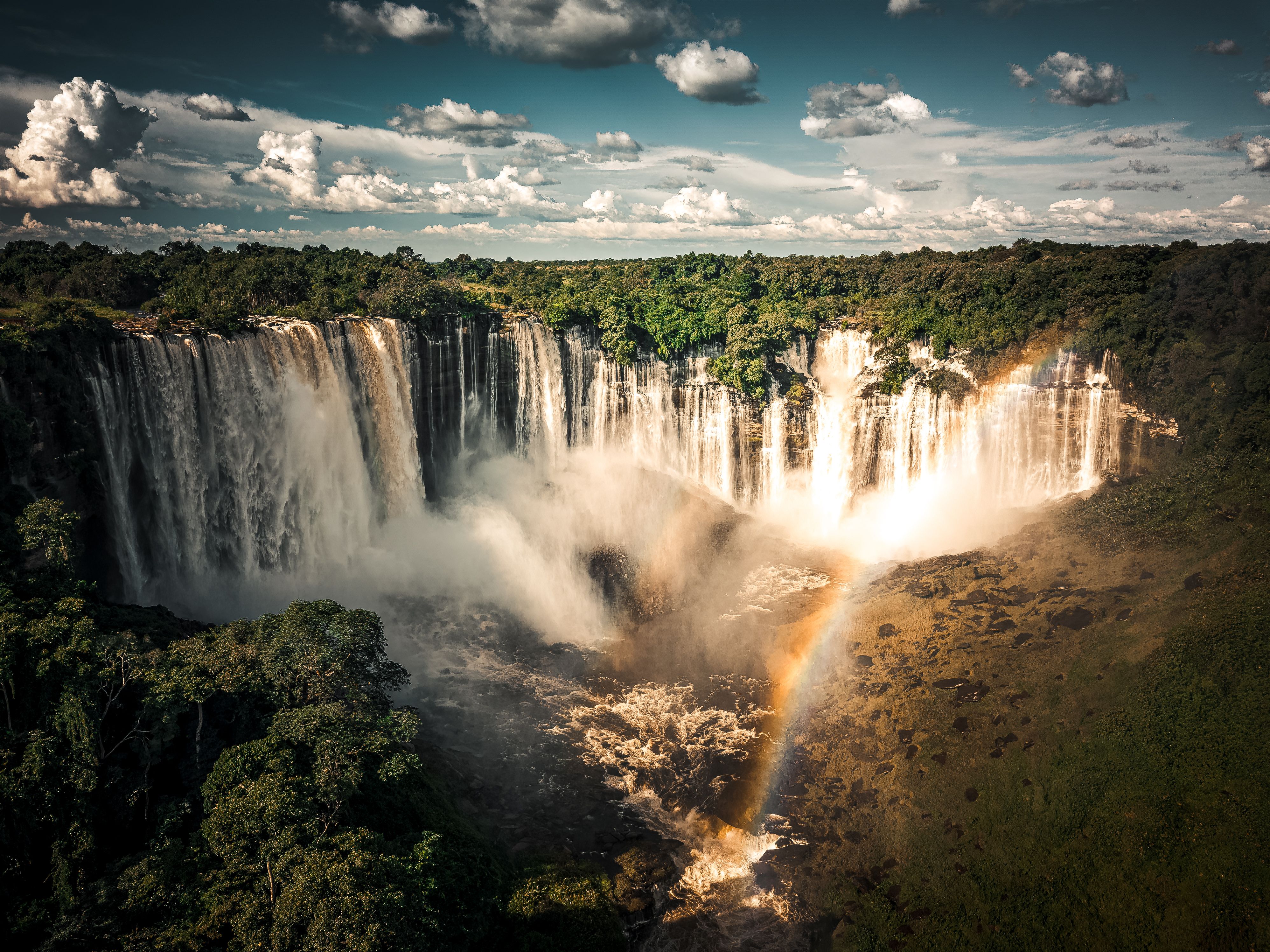

The roaring Kalandula Falls are considered sacred, a place where locals once performed rituals to ask the gods for health and wealth. Today, visitors come to witness the majesty of one of Africa’s largest waterfalls by volume, tucked far from the beaten path. To get here, you’ll have to hike down a rocky trail that snakes past the mighty Lucala River.
Kuang Si Falls, Laos
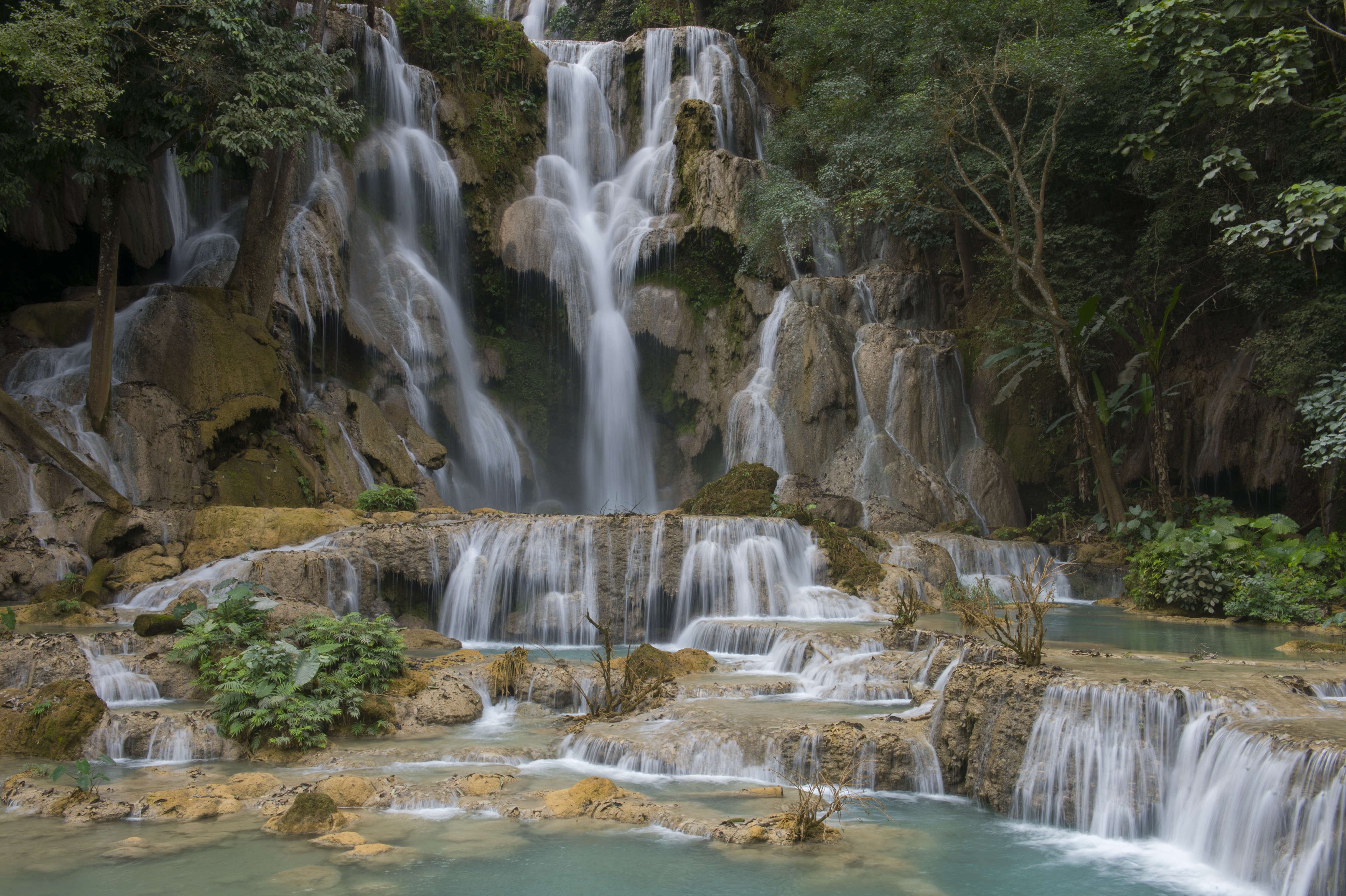

Kuang Si Falls starts off easy, with shallow pools that spill into wider pools. From there, the main waterfall brings the drama, with a 200-foot drop. During the dry season, visitors can cool off by swimming in the turquoise waters. If you don’t want to get wet, there are several bridges and viewing platforms to soak in the gorgeous views of the water and surrounding forest.
Langfossen, Norway
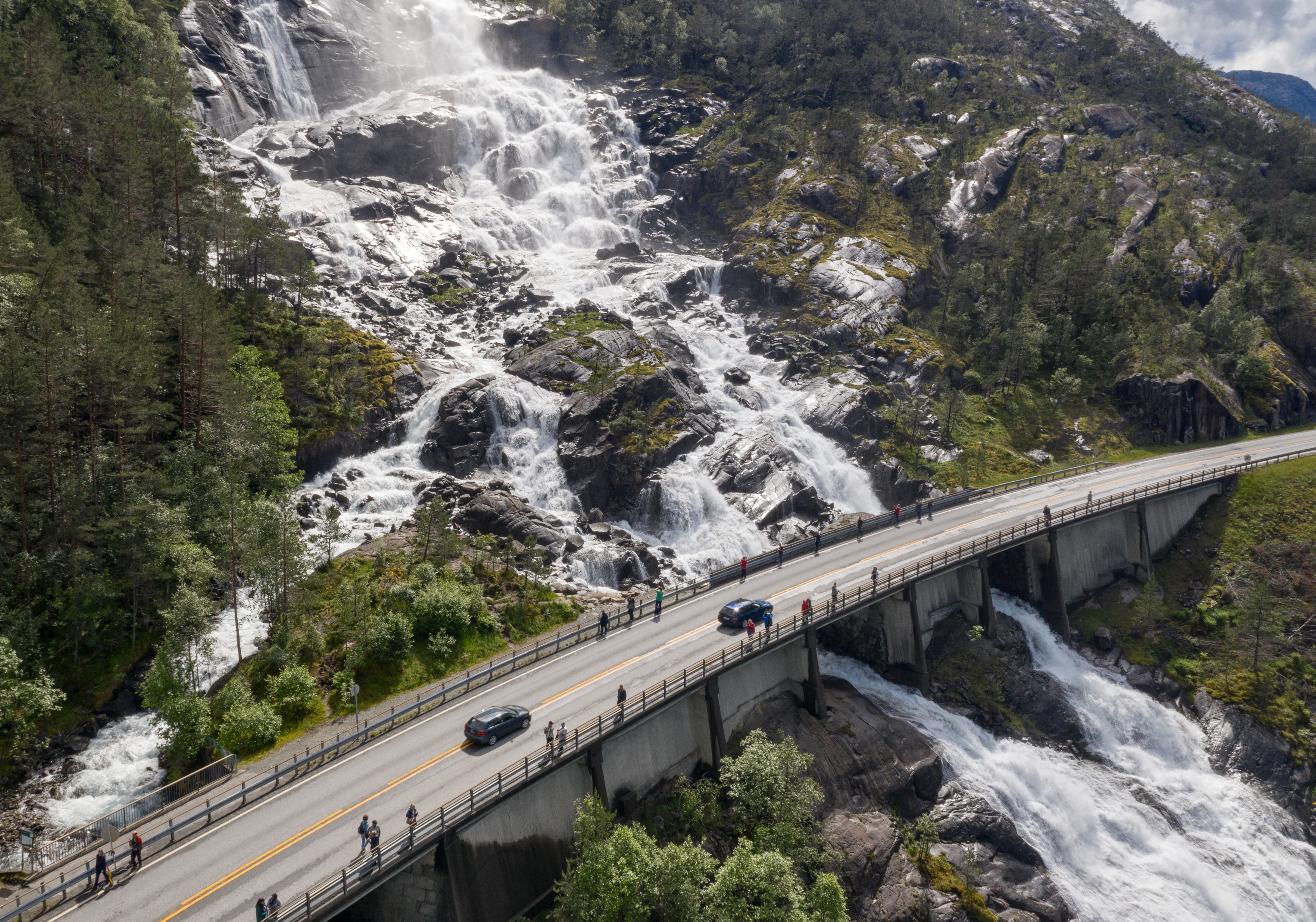

Wild and rugged Langfossen drops more than 2,000 feet, crashing down the mountainside and under the E134 highway. This is one of Norway’s tallest waterfalls, and while most others in the country are used for hydroelectric power generation, Langfossen is still in its natural state. Visitors can take a strenuous hike up an old farm path to be close to the waterfall and soak up panoramic views of the surrounding fjords and mountains, or marvel while on a boat ride across the fjord.
Seljalandsfoss, Iceland
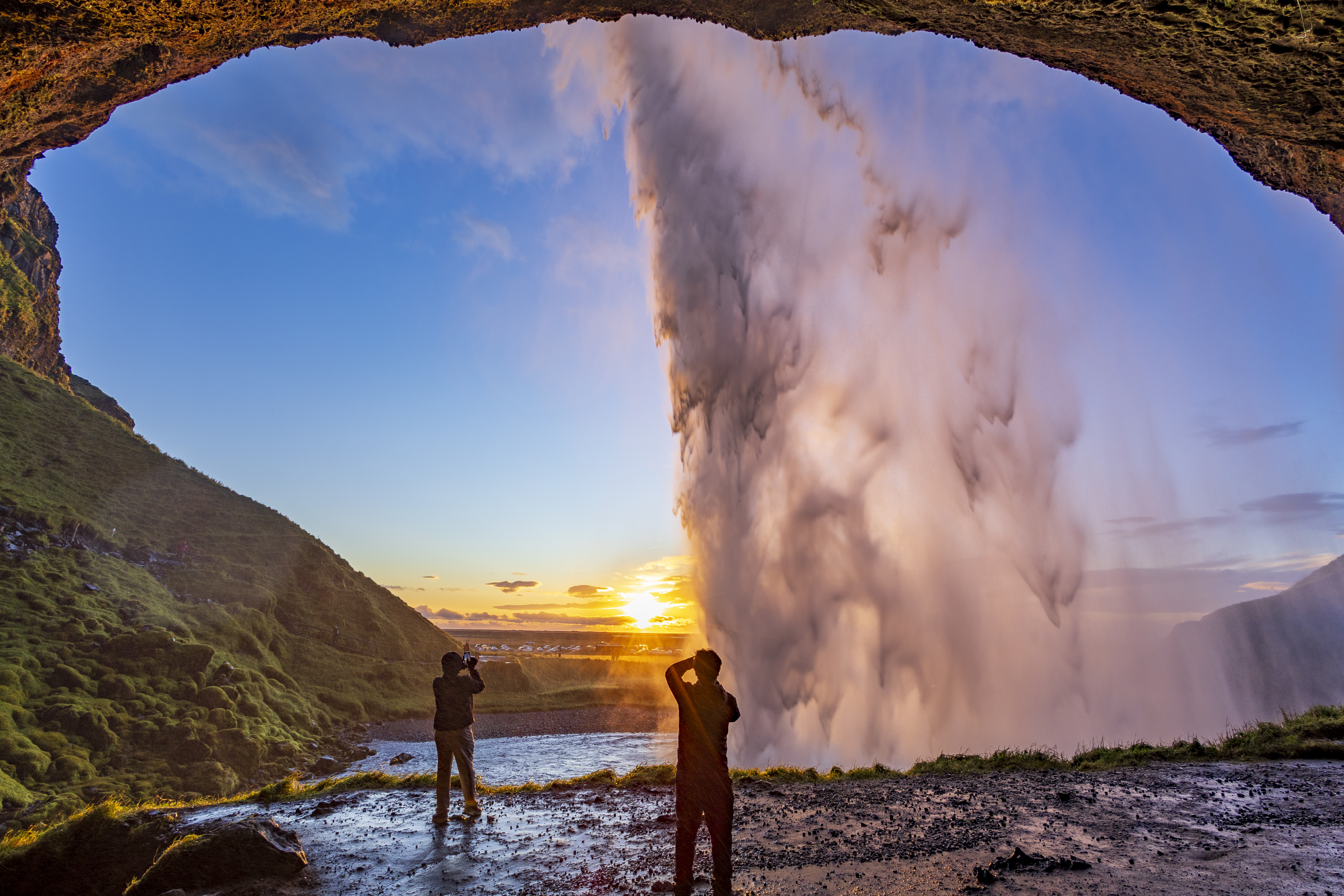

Seljalandsfoss offers a rare opportunity to walk behind a waterfall. A path takes visitors around the back of it, into a small cave; tread carefully, as this area can be wet and slippery. Seljalandsfoss’ “beautiful high falls” are a sight to behold from the front, tumbling down over a “rocky scarp into a deep, green pool,” said Lonely Planet. North of Seljalandsfoss is its sister waterfall, Gljúfrabúi, which “gushes into a hidden canyon.”
Sutherland Falls, New Zealand
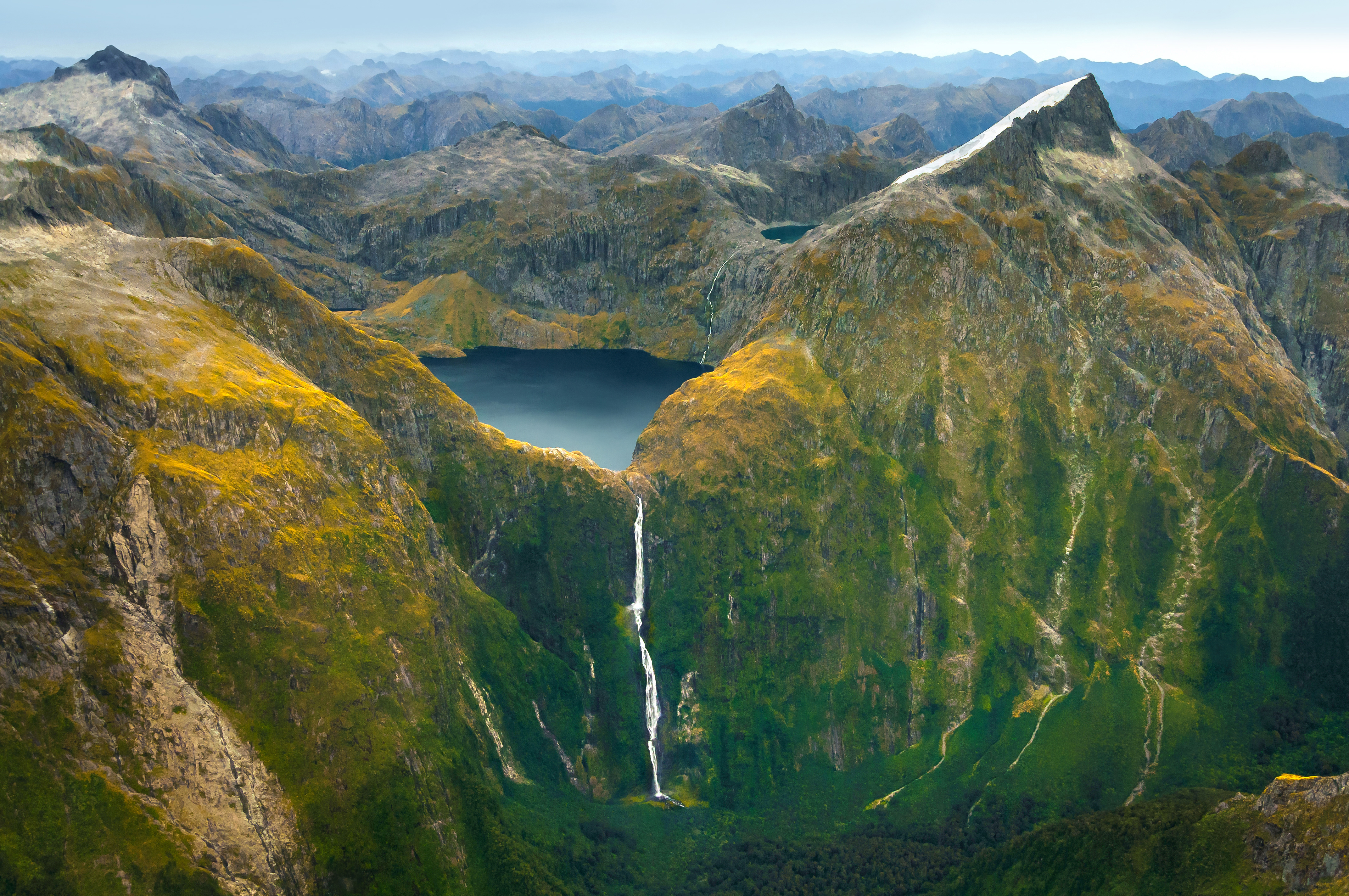

It takes “some effort” to reach Sutherland Falls, but your reward for making the trek is “jaw-dropping” views of the natural wonder, said Afar. New Zealand’s tallest waterfall is close to Milford Sound in Fiordland National Park, and “intrepid” hikers can reach it via the 33-mile Milford Track. Otherwise, book a helicopter tour to get an aerial look at Sutherland, which “escapes through a gap in a glacial cirque” before plunging more than 1,900 feet over three cascades.
Victoria Falls, Zambia and Zimbabwe
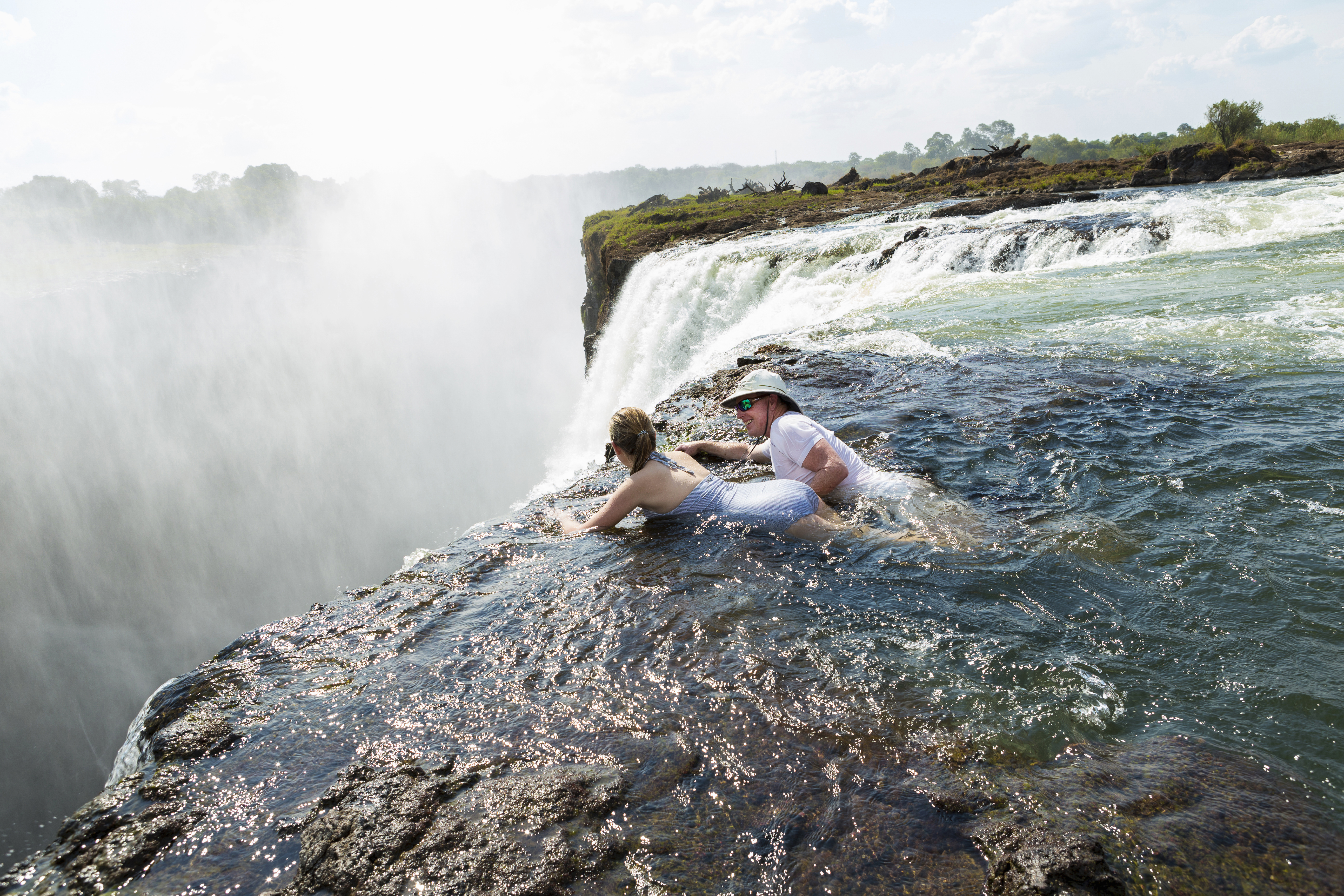

The Lozi name for Victoria Falls, Mosi-oa-Tunya, translates to “the smoke that thunders” and aptly describes the loud and misty scene. The falls change “dramatically” over the year, and are at their most “powerful” after the summer rains, when “enormous clouds of spray” carry over the gorge, “drifting across the surrounding rainforest,” said Forbes.
When the water levels are lower, the falls look “clearer,” and it’s easier to “better appreciate the geological scale” of the area. This is also your chance to take a “high-adrenaline” swim in Devil’s Pool, a natural pool right on the edge of the falls on the Zambian side.
Wailua Falls, Kauai
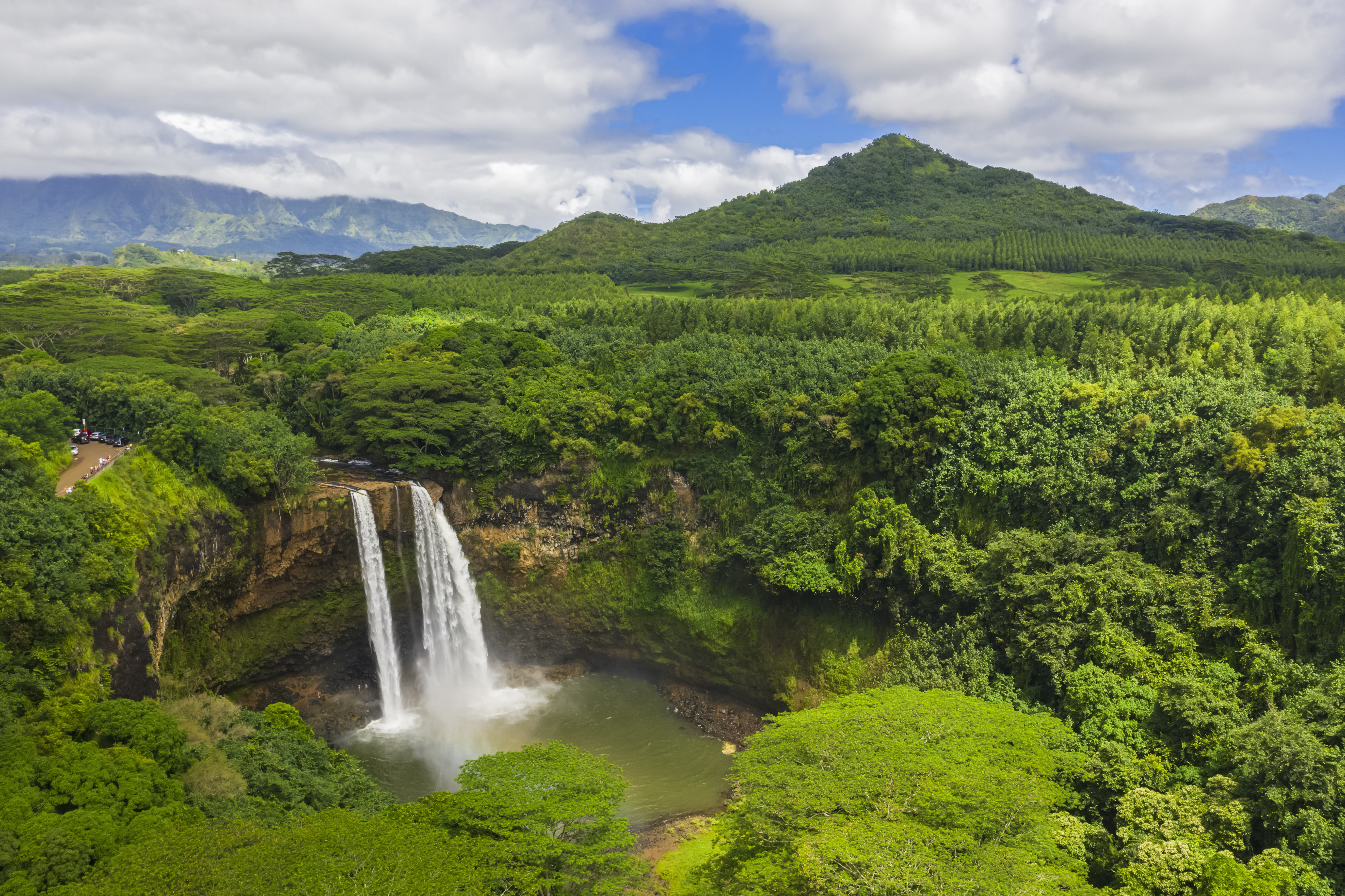

You don’t have to go far to get to Wailua Falls. This double-tiered waterfall can be seen from the road, making it accessible for those who can’t hike or have small children in tow. Set amid lush tropical foliage, Wailua is the quintessential Hawaiian waterfall, and likely looks familiar for fans of 1970s television — it appeared in the opening credits of “Fantasy Island.”
Do very much go chasing waterfalls