
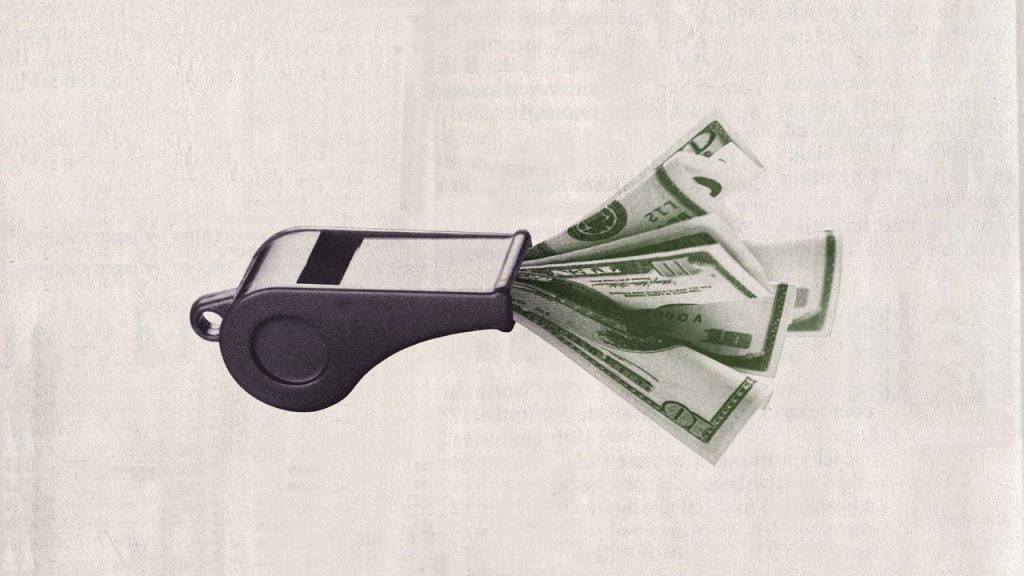
College football coaches are some of the highest-paid bench bosses in all of sports, and they often cash in big with salary buyouts if they are fired. But as these buyouts become more common and grow in size, some people are questioning the ethics of these deals — and also where colleges are finding the funds.
How do college salary buyouts work?
If a college fires its head football coach, it is generally forced to pay the “liquidated damages stipulated in a coach’s contract if they are fired ‘without cause’ — or, in other words, because they’re losing,” said Front Office Sports. This is most notable when a coach is fired in the middle of a season. Most contracts stipulate that a fired coach is “owed a portion of their future contract earnings, including their base salary and guaranteed supplementary income.”
The record payout for a college coach belongs to Jimbo Fisher, who was fired as the head coach at Texas A&M University in 2023. Fisher received a $76.8 million payout upon losing his job. However, like many other coaches in his situation, Fisher is “no closer to getting a job than when Texas A&M paid him to leave,” said USA Today, as “those fired don’t often return to the profession.” Other significant buyouts include Louisiana State University head coach Brian Kelly, who was paid $53.8 million when he was fired, and Penn State University head coach James Franklin, who was given $49 million after being let go.
Why are they controversial?
As the buyouts continue to increase in value, many college administrators are “equal parts dismayed and disgusted at what they believe is nothing shy of fiscal malfeasance,” said CNN, with their universities “hamstrung by deals presented as security blankets for the university but offering only protection for the coaches.” This has led to a question that is “no longer an existential crisis. Just where is the money coming from?”
“I have no idea,” one college administrator said to CNN when asked where universities are getting the money for these buyouts. “The money does not exist.” Many of these officials seem to have accepted the buyouts as just another part of modern college sports. The “math doesn’t seem to math,” a search-firm executive who helps college programs find coaches said to CBS Sports. But “athletic departments always find a way. And until they stop keeping score or people stop caring, I guess they’ll find a way to do it.”
Stakeholders are pushing for changes to contract structures. University administrators “should take responsibility in an era of the run-amok Supercoach that needs to end now,” said The Athletic. As the price of buyouts “barrels toward the $200 million mark for FBS football coaches terminated this year alone — with more firings and buyouts on deck — the right-minded response needs to start with self-examination.”
Some also question colleges’ continued search for high-paid coaches. The “guardians of higher education almost never say no when it’s time to go big-game hunting for a coach,” said The Athletic, even as powerhouse football programs like Ohio State University and the University of Alabama have experienced big financial losses. But “any university president who fights an athletic department in any way has a very short stay at that university,” said former Indiana University and UC Berkeley professor Murray Sperber to the outlet.
‘The math doesn’t seem to math,’ one expert said