
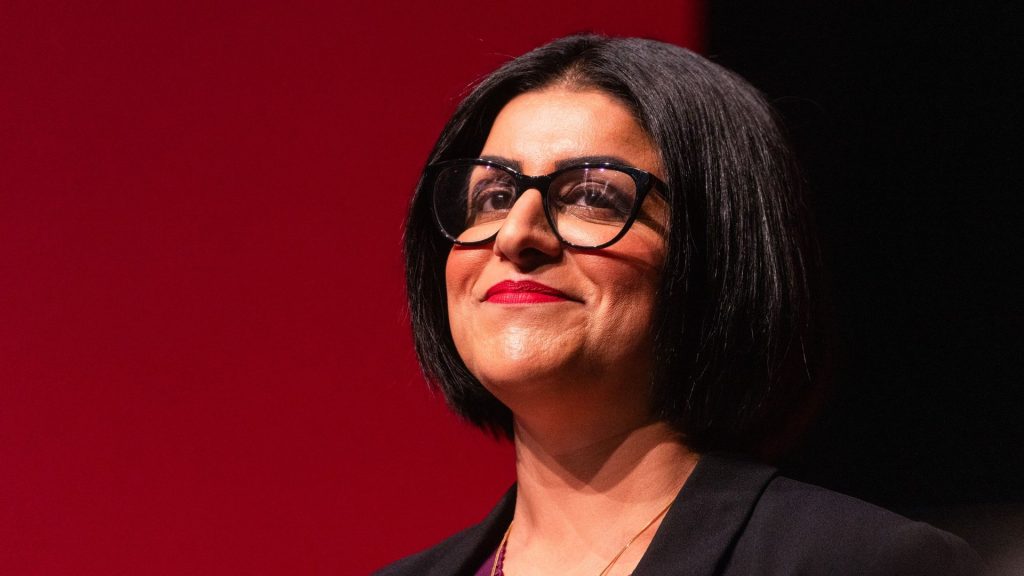
Home Secretary Shabana Mahmood is expected to water down plans to double the length of time foreign workers must wait before they are eligible to settle permanently in the UK following opposition from within the Labour Party.
As originally laid out in November 2025, the proposals would extend the qualifying period for indefinite leave to remain (ILR) from five to 10 years. The lowest-paid workers, including many employed in the care sector, faced an even longer wait, of 15 years. Adding yet more controversy, the changes would apply to migrants already in the UK. Angela Rayner, the housing secretary, said making the rules apply retrospectively was “un-British” while Energy Secretary Miatta Fahnbulleh called for more “compassion” in migration policy.
As Mahmood prepares to unveil her revised plans, the prime minister and home secretary are maintaining a united front, said John Rentoul in The Independent, “but we do not yet know what it is that they are united on”.
What did the commentators say?
“Mahmood is tying herself in a large and unedifying knot,” said James O’Brien in The i Paper. Moving the goalposts for overseas migrants already here is a “breach of the metaphorical contract” and sends an “ugly” message that such workers are “irreversibly second class”. By making settlement harder for vital care workers in particular – who do work British nationals consider “beneath them or too poorly paid” – Mahmood would show she been influenced by “immigration rhetoric as opposed to immigration reality”. She is “pandering to feelings built on lies”.
It would be a “grave error” for Mahmood to change her original plans, said The Telegraph in an editorial. The situation Labour finds itself in is “depressingly familiar”: the government insists it supports border controls, but objects to policies to secure them. Indeed, Mahmood may be forced to “retreat” from the “necessary” changes to ILR to regain backbench support. But she must break free from this “Faustian pact. She was right the first time round.”
Given the backlash, the Home Office could compromise by changing the rules only for new arrivals. But that would be “defeating the entire purpose of the reforms”, said David Shipley in The Spectator, which was mitigating the impact of the “ruinous” so-called “Boriswave” of immigrants.
What next?
“The exact shape of the compromise has been fought over for months,” said Rentoul in The Independent. By now, Burnham and Mahmood will have “calculated where to draw the line so that they can be sure that they have a solid majority of Labour MPs behind them”.
Burnham runs a better “ego management programme” with Labour backbenchers than Keir Starmer, and so is unlikely to have a repeat of last year’s backlash over welfare reforms.
The government will also benefit from a divided opposition on the right. As architects of the Boriswave, any Conservative criticism of Mahmood’s plan will sound hypocritical, while Reform UK “is finding it increasingly hard” to compete with Restore’s more extreme positions on immigration.
Home secretary faces opposition from within her own party as well as opponents over changes to indefinite leave to remain